Evidence-Based Pigmentation Correction and Even Skin Tone
Pigmentation, dark spots, and uneven texture are common, but they should not be a source of confusion. I use evidence-based diagnostics to identify the root cause of your skin concern, moving beyond trends to provide clear, actionable treatment plans.
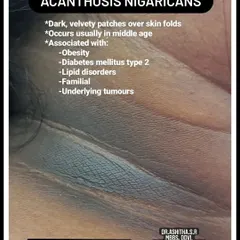
Acanthosis Nigricans, the dark, velvety patches often seen on the neck and underarms, is a very common condition I treat. It is typically linked to underlying issues like obesity, insulin resistance, or PCOS. Treatment involves lifestyle management and targeted topical creams.
This video outlines the common causes of darkness around the mouth. The factors can range from genetics and hormonal fluctuations to vitamin deficiencies and contact dermatitis from products like colored toothpastes. Identifying the cause is key to effective treatment.
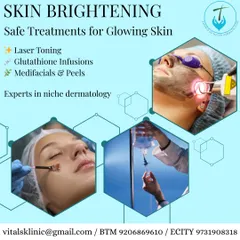
There is often confusion between "skin brightening" and "skin lightening." Skin brightening focuses on restoring your natural glow by removing dull cells, while skin lightening aims to correct hyperpigmentation and dark spots to create an even tone. The goal is never to bleach the skin.
Treating dark lips requires a multi-faceted approach. I recommend five key strategies: using a lip balm with SPF, undergoing in-clinic chemical peels or Q-switched laser sessions, considering lip micropigmentation for temporary color, and avoiding dark lipsticks that can contribute to pigmentation.
Dark knees and elbows are a common concern caused by friction and dead skin buildup. To treat this, I recommend using products containing exfoliating and hydrating ingredients like Urea, Glycolic Acid, and Lactic Acid to help lighten and soften the skin in these areas.
About Achieving an Even, Radiant Complexion: Pigmentation Correction
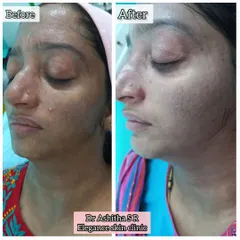
Many patients visit my clinic expecting a single cream to clear dark spots, but pigmentation often stems from underlying factors like insulin resistance or friction rather than just surface sun damage. We start with a 30-minute diagnostic session using digital dermoscopy to see if your concern requires targeted topical treatments or in-clinic procedures like chemical peels, ensuring we treat the root cause instead of just the symptoms.
Understanding Your Skin's Story
Skin discoloration—whether it manifests as melasma, dark spots around the mouth, or the velvety patches of Acanthosis Nigricans—is rarely random. My approach relies on a thorough history review, including lifestyle, diet, and hormonal markers like PCOS. By identifying whether the hyperpigmentation is epidermal or dermal, I can recommend a treatment that actually works for your skin type.
My Treatment Approach
I do not believe in cookie-cutter brightening routines. Instead, I utilize specific, evidence-based methods based on your diagnosis:
- Chemical Peels: For post-inflammatory hyperpigmentation and active acne marks, medical-grade acid applications (such as Glycolic or Salicylic acid) help exfoliate dead cells and accelerate pigment fading.
- Targeted Topical Regimens: I prescribe AM/PM routines incorporating active ingredients that are appropriate for your specific barrier health, prioritizing non-comedogenic formulations.
- Advanced Modalities: For stubborn texture or deeper pigment, I may recommend Q-switched laser sessions, which work by targeting melanin deep in the skin without damaging the surface.
Consistency Is Key
Real results require patience. While procedures like chemical peels offer a jumpstart, maintaining an even, radiant complexion depends on your daily commitment to the prescribed routine. Whether it is addressing dark knees or lips, the strategy is always the same: diagnose first, treat consistently, and protect your skin daily with the right sunscreen.
Similar work from other experts
Browse through Curated picks from other experts on mytribe
Effective Solutions for Pigmentation and Skin Tone Correction


Pigmentation and Skin Tone Correction
Treating Pigmentation and Uneven Skin Tone
Effective Pigmentation & Melasma Treatment in Bangalore
Treating Pigmentation and Uneven Skin Tone
 15
15

Treating Pigmentation and Sun Damage
More from Medical Dermatology & Hair Treatments by Prerna Sikka
More services by Prerna Sikka