Treating Pigmentation and Uneven Skin Tone
Dark spots, melasma, and pigmentation can feel stubborn, but they are rarely permanent. Let’s look at the science of why they happen and how we can actually treat them.
Did you know that simple friction can cause dark patches on your skin? I explain how habits like rubbing your forehead, resting your chin on your hand, or even lip smacking can lead to pigmentation and how to treat it.
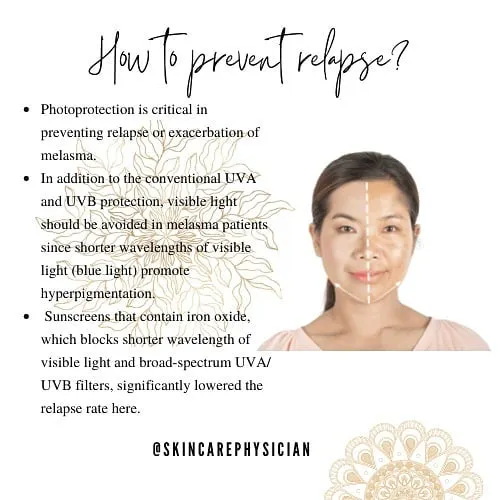
Melasma is a common pigmentation disorder that I see frequently. Here, I recommend three over-the-counter pharmacy products, including glycolic acid, kojic acid, and a good sunscreen, to help control and prevent it.
Facial frictional melanosis is a type of hyperpigmentation caused by constant rubbing, often seen on the forehead. I explain that being gentle with your skin, using sunscreen, and applying depigmenting creams are key to treatment.
For those dealing with dark elbows and knees, I recommend specific products to help lighten the area. It's also crucial to reduce friction and avoid scrubbing, as that can actually worsen this type of frictional pigmentation.
Darkening of the underarms can be caused by several factors, including hormonal imbalances, friction from shaving, and reactions to deodorants. In-clinic treatments like Q-switched lasers and chemical peels can effectively reduce this stubborn pigmentation.
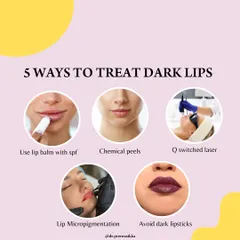
I often get asked about the most common reasons for dark lips. I cover the four main culprits: smoking, saliva from lip licking, sensitivity to cosmetics, and a deficiency in Vitamin B12.
Are you using a pigmentation cream without seeing results? I discuss four common reasons why it might not be working, such as applying it over moisturizer, not giving it enough time, or not using adequate sun protection.
This before and after photo shows a significant improvement in stubborn facial pigmentation after just one session of a peel and laser toning. These procedures help break down pigment that is difficult to treat with creams alone.
Here is a frontal view of the same patient, highlighting the visible reduction in dark spots and a more even skin tone. A consistent treatment plan is key to managing and preventing the recurrence of pigmentation.
Another angle showing the progress in treating uneven skin tone. My approach combines in-clinic treatments with a personalized home care regimen to deliver the best possible results for my patients.
About Pigmentation & Uneven Skin Tone
Fixing pigmentation isn't just about grabbing the latest brightening serum. Often, stubborn marks—whether they are on your face, elbows, or underarms—are caused by friction, hormonal shifts, or inflammation that standard drugstore scrubs just can't fix. We need to identify if your concern requires a simple change in your daily routine or if it needs the boost of in-clinic medical interventions.
Pigmentation is often misunderstood. Many people try to scrub it away with physical exfoliants, which actually triggers 'frictional melanosis'—a darkening of the skin caused by the very thing you think is fixing it. If you have melasma or hormonal dark spots, layering random creams won't help. Most pigmentation requires a strategic approach: consistent sun protection is non-negotiable, and we often need to introduce pharmacy-grade actives like kojic acid, azelaic acid, or glycolic acid in the right order.
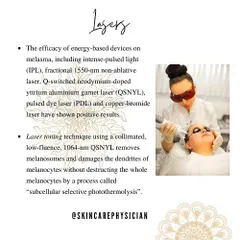
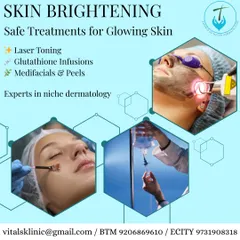
When creams aren't enough—especially for stubborn cases like underarm darkening or deep-seated acne marks—we look at in-clinic interventions. Chemical peels and Q-Switched laser toning are not 'magic,' but they are effective tools to safely break down excess pigment that surface creams can't reach. My goal at Aiconic Skin Clinic in HSR Layout is to identify the root cause. Are we dealing with hormonal issues like PCOD? Is it post-inflammatory hyperpigmentation? Let's stop guessing with products and start a regimen that actually works for your skin type.
Similar work from other experts
Browse through Curated picks from other experts on mytribe
 5
5

Effective Treatments for Managing Melasma and Pigmentation
Effective Pigmentation & Melasma Treatment in Bangalore


Pigmentation and Skin Tone Correction
Evidence-Based Pigmentation Correction and Even Skin Tone
 15
15

Treating Pigmentation and Sun Damage
Pigmentation and Uneven Skin Tone Treatments
More from Medical Dermatology & Consultation by Namrata Singh
More services by Namrata Singh