Effective Solutions for Pigmentation and Skin Tone Correction
Uneven skin tone is often a sign of underlying hormonal, environmental, or lifestyle factors. I focus on an accurate diagnosis to identify the root cause before recommending any treatment plan.
Are you noticing dark patches or an uneven skin tone? You might be overlooking common pigmentation triggers. This visual guide highlights surprising causes like over-exfoliating, heat exposure, and hormonal changes. Awareness is the first step toward clear skin.
Vitiligo is a medical condition where the skin loses its pigment-producing cells, resulting in white patches. This visual lists its primary causes, which include autoimmune responses, genetic factors, and environmental triggers. I offer personalized care to manage the condition and improve confidence.
Vitiligo is a condition that causes patchy loss of skin color, and it is important to clear up common misconceptions. It is not contagious and is not caused by poor hygiene. My treatments focus on managing the condition through medical therapies to help restore pigment and patient confidence.
White patches on the face can have several causes. I explain common conditions like Pityriasis alba, the fungal infection Tinea versicolor, and Vitiligo. A correct diagnosis is essential, as treatment for each condition is very different.
This patient sought treatment for pigmentation and was thrilled with the results after six months. My goal was to clear the skin and, in turn, boost their confidence. A consistent, expert-led plan makes all the difference in achieving an even skin tone.
About Pigmentation & Skin Tone Correction
Dr. Vasavi does not jump straight into treatments. She uses diagnostic tools like a dermatoscope to look at the depth and nature of your pigmentation first. This step is crucial because it helps determine if your dark spots are due to hormonal imbalances, sun damage, or incorrect skincare, ensuring you do not waste time on methods that will not work for your specific skin type.
Understanding Your Skin Pigmentation
Pigmentation disorders can be complex. Whether you are dealing with melasma, sun spots, post-acne marks, or vitiligo, the approach requires more than just applying creams. My practice is built on the principle that your skin reflects your internal health.
The Diagnostic Process
When you visit the clinic in Thanisandra, we begin with a 20 to 30-minute analysis. Using a Wood’s Lamp or a dermatoscope, I evaluate your skin to see how deep the pigment goes. We also look at your history—PCOS, thyroid issues, or even simple habits like using the wrong soap or neglecting sunscreen can trigger significant skin changes. By identifying the root cause, we avoid generic solutions and focus on treatments that actually deliver results.
Treatment Modalities
Depending on the diagnosis, your plan might include:
- Topical Therapy: Medical-grade creams designed for your specific concerns.
- Chemical Peels: Controlled exfoliation to remove damaged outer layers and encourage new skin growth.
- Laser Toning: Precision-based treatments to reduce stubborn pigmentation without affecting surrounding tissue.
- Lifestyle Management: Adjusting your diet, nutritional intake, and daily skincare routine to maintain the results and prevent recurrence.
Why Correct Diagnosis Matters
Many patients arrive after trying numerous over-the-counter products that ended up worsening their condition, particularly through the use of harsh steroids. My goal is to guide you away from these common mistakes. We focus on evidence-based care, ensuring that every step of your journey—from the first consultation to your final maintenance routine—is based on the science of your skin, not on quick fixes.
Similar work from other experts
Browse through Curated picks from other experts on mytribe
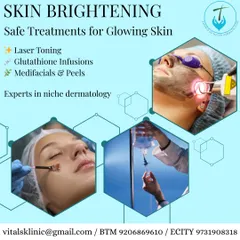


Pigmentation and Skin Tone Correction

Evidence-Based Pigmentation Correction and Even Skin Tone
Pigmentation and Uneven Skin Tone Treatments
Effective Pigmentation & Melasma Treatment in Bangalore
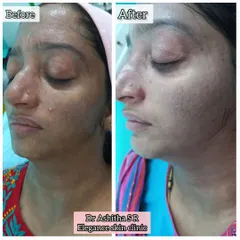
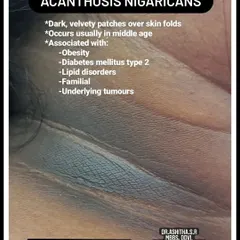
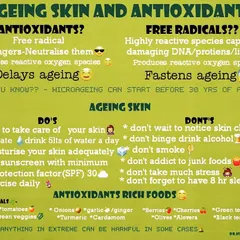
Treating Pigmentation and Uneven Skin Tone
 15
15

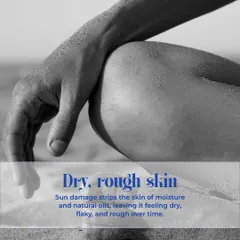
Treating Pigmentation and Sun Damage
More from Dermatology Consultation by Sree Vasavi