Understanding the Science Behind Your Skin
Skincare is often clouded by trends and marketing, but your skin health relies on biology and consistency. Here, I break down the science behind popular treatments, ingredient functions, and common skin concerns.
Let's talk about the "glass skin" trend and Korean skincare. The core principles are consistency and hydration. While this approach works well for normal or anti-aging goals, I would not recommend its multi-step layering for those with acne-prone skin.
This graphic decodes the sources of common acids used in chemical peels. Glycolic acid comes from sugarcane, Lactic acid from beet sugar, and Salicylic acid from willow bark. Understanding the natural origins of these ingredients helps demystify the treatment.
As featured in Zee News, I explain what skin pilling is. It refers to the accumulation of partially absorbed skincare products on the epidermis, which can coalesce into tiny granules and affect the absorption of other ingredients.
An excerpt from my Zee News feature, defining skin pilling as the formation of small clumps on the skin's surface when products fail to absorb. This can interfere with the efficacy of your skincare and lead to an uneven texture.
A press graphic highlighting my feature in Zee News, where I discussed the meaning of skin pilling and, more importantly, how to avoid it for a smooth, effective skincare application.
In my Zee News feature, I outlined some causes of skin pilling. Improper application techniques like vigorous rubbing and using expired products can compromise absorption and lead to pilling.
Two major causes of skin pilling I discussed with Zee News are excessive product application and formulation incompatibilities. Using too much product or layering incompatible ingredients like silicones and oils can prevent proper absorption.
How can you prevent skin pilling? In my Zee News feature, I recommended simplifying your routine and ensuring formulation compatibility. Water-based products generally layer better than oil-based ones.
More strategies to prevent skin pilling from my Zee News feature: allow adequate absorption time between layers, use products in moderation (a pea-sized amount is often enough), and apply with gentle patting motions instead of rubbing.
In a conversation with Lifestyle Asia, I discussed the surprising benefits of cactus in skincare. Because the cactus plant is excellent at storing water, its extracts are extremely hydrating and beneficial for the skin.
About Deeper Dive into Dermatology
There is no single magic pill for skin health, and understanding why popular trends like 'glass skin' can actually harm acne-prone skin is the first step toward better results. Whether we are discussing the chemistry behind chemical peels or the real reasons for product pilling, my goal is to help you move past marketing claims and focus on what your specific skin type actually requires.
Decoding Skin Health
Many of the questions I receive are rooted in trends. For instance, the 'glass skin' trend often involves extensive layering of products. While this works for those with normal, non-problematic skin, it can be detrimental for anyone struggling with active acne or congestion. My job is to translate these trends into dermatological reality.
The Chemistry of Treatments
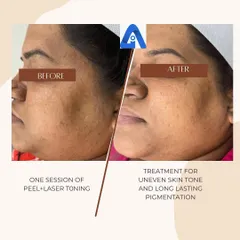
Understanding what you put on your face matters. For example, chemical peels are not just 'acid applications.' They utilize specific agents like Glycolic acid (derived from sugarcane) or Salicylic acid (from willow bark) to target specific issues like pigmentation or active breakouts. When I recommend a peel, it is because the chemical properties align with the depth of your pigmentation or the severity of your acne.
Why Your Products Might Be Pilling
One common frustration is 'skin pilling,' where products clump into tiny granules on your face. This is rarely about the quality of the product and almost always about the application. It occurs when products fail to absorb, often due to:
- Improper Layering: Applying water-based and oil-based formulations together without allowing for absorption time.
- Excessive Application: Using too much product, which saturates the epidermis and leaves residue.
- Vigorous Application: Rubbing products into the skin rather than using gentle patting motions.
My approach is to look at your full regimen—from your cleanser to your final moisturizer—to identify where these incompatibilities lie. If you are struggling with a routine that feels like it is working against you, we can sit down and restructure it based on evidence rather than popular opinion.
Similar work from other experts
Browse through Curated picks from other experts on mytribe
The Science of Skincare: Expert Dermatological Advice
Science-Backed Skin Health and Myth-Busting
Skincare Myth-Busting: Fact vs. Fiction
The Truth Behind Skincare Myths for Indian Skin
Science-Backed Skincare and Expert Dermatological Care
Expert Dermatology Advice & Treatment Insights
More from Medical Dermatology & Hair Treatments by Prerna Sikka
More services by Prerna Sikka