Sun Protection Guide: Science-Backed Tips for Healthy Skin
Sunscreen is the one non-negotiable step I recommend to every patient. Whether you are dealing with pigmentation, acne, or simply want to slow down photoaging, here is the real science behind protecting your skin every single day.
This is your daily reminder: your skin needs sunscreen even on cloudy days. UV radiation penetrates clouds and can cause cumulative damage over time, leading to premature aging and hyperpigmentation.
What are the real effects of skipping sunscreen? I detail the short-term consequences like sunburn and dehydration, and the long-term damage, including photoaging, hyperpigmentation, and an increased risk of skin cancer.
I'm here to bust a dangerous myth: sunscreen does not cause skin cancer, it prevents it. This video explains the science of how UV rays damage skin cells and how SPF acts as your essential shield against that harm.
A day at the beach is wonderful, but sun damage is a souvenir you don't want to bring home. Consistent use of a broad-spectrum sunscreen is crucial to prevent wrinkles and protect your skin's long-term health.
Planning to go for a swim? Regular sunscreen won't be enough. I explain how water-resistant sunscreens work and why you still need to reapply them frequently to stay protected from UV damage in the pool or at the beach.
If you think you don't like sunscreen, it probably means you haven't found the right one for your skin type yet. The right formulation makes all the difference, and skipping it is not an option for healthy skin.
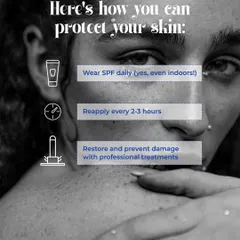
Getting your skin ready for summer starts with the basics of sun protection. I cover the essentials: using an SPF of 30 or higher, applying it correctly with the two-finger rule, and reapplying every three hours for consistent coverage.
Myth vs. Fact: Is tinted sunscreen just makeup? I explain that it actually offers an extra layer of protection against blue light from screens and the sun, which is especially important for preventing pigmentation.
Here are the key benefits of using a tinted sunscreen. Beyond just evening out your skin tone, it provides crucial protection against visible light, which can worsen conditions like melasma.
The secret ingredient in tinted sunscreens is iron oxide. I explain how this component helps block the visible light spectrum, offering superior protection for those prone to pigmentation issues.
About Sun Protection: Your Best Defense
The most common mistake I see isn't just forgetting sunscreen, it is under-applying it. Most people use only a fraction of the product required to actually reach the SPF rating listed on the bottle. I teach the two-finger rule in my consultations to ensure you are getting the full, calculated protection your skin actually needs.
Understanding Photoaging
UV rays do more than just tan your skin; they damage your skin structure at a cellular level. This process, known as photoaging, leads to fine lines, leathery texture, and stubborn dark spots. I see patients daily who try to reverse these effects with expensive creams while skipping the one thing that prevents the damage in the first place: SPF.
Tinted vs. Regular Sunscreen
Many patients ask me if tinted sunscreen is just for makeup. The answer is no. Tinted sunscreens contain iron oxide, which is uniquely effective at blocking visible light. For those dealing with melasma or hyperpigmentation, this is a crucial step because visible light can often worsen those conditions even when UV rays are blocked.
The Reality of SPF Supplements
I frequently hear questions about 'edible sunscreens' or supplements. While antioxidants like Vitamin C, Niacinamide, and Astaxanthin are fantastic for fighting free radicals, they are not a replacement for topical SPF. Think of them as an internal helper, but your topical sunscreen remains your primary shield.
My Approach to Consultation
In my clinic, we do not guess. During a skin health consultation, I perform a full audit of your current skincare bag. If your current sunscreen feels greasy, leaves a white cast, or causes breakouts, you will naturally stop using it. My goal is to help you find a formulation that works for your specific skin type so that protection becomes a consistent habit, not a chore you dread.
Similar work from other experts
Browse through Curated picks from other experts on mytribe
Sun Protection Guide: Why SPF Is Your Non-Negotiable Daily Routine

Sun Protection Simplified: A Dermatologist's Daily Guide
Sunscreen is Non-Negotiable: The Truth About Daily Protection
Your Ultimate Guide to Choosing and Using Sunscreen
Sunscreen School: Your Daily Defense Against Sun Damage
Sunscreen School: Expert Guide for Indian Skin
More from Medical Dermatology Consultation by Preeti Havanur
More services by Preeti Havanur