A Transparent Look at My Hair Transplant Process
Transparency matters in surgery. Here is a look at the technical process behind my transplants, from precision hairline design to graft placement.
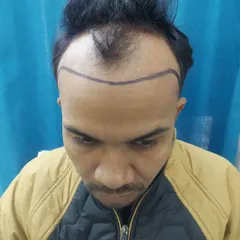
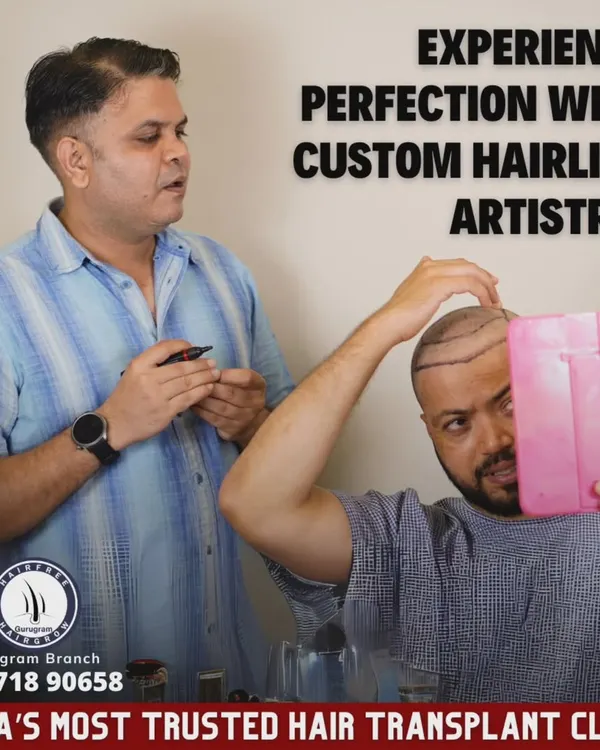
A hair transplant is not just a medical procedure; it is an art. Crafting a hairline that is both dense and natural requires an artistic eye. This image captures the essence of an artistic hairline design, which is the cornerstone of a result that you can be proud of.
This is a close-up view of the FUE hair transplant procedure. Using a specialized punch tool, we carefully extract individual hair follicles from the donor area. This precision is key to minimizing damage and ensuring the viability of every single graft.
Hair grafting is the step where we implant the follicles into the recipient area. Here you can see me performing the procedure with magnification loupes, which allow for precise control over the angle, depth, and direction of each graft to create a natural-looking result.
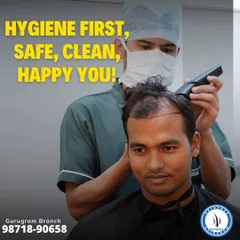
The recipient area is where we implant the new hair. The health of this area is critical for the success of the transplant. Before any procedure, we must ensure the scalp is free from issues like dandruff or disease, as a healthy foundation is necessary for good hair growth.
The technique for a corrective hair transplant is the same as a standard one, but the approach is completely different. It often involves removing poorly placed grafts, managing limited donor hair, and working around scar tissue. Each case requires a unique, customized plan.
What are the chances of success for a corrective transplant? It varies from case to case. The main challenge is often a limited donor area from the first procedure. We have to assess what is realistically achievable based on the remaining donor hair and the extent of the correction needed.
About A Look Inside the Procedure
Dekhiye, a hair transplant is not a cosmetic shortcut, it is surgery. Every procedure I perform follows my 3D rule: Design, Density, and Direction. Whether we are planning your first transplant or fixing a previous one, I prioritize magnification and precision to ensure the final result looks like natural hair growth. My goal is simple: taarif nahi chahiye, lekin koi point out bhi nahi karna chahiye ki kuch gadbad hai.
Most clinics talk about results, but fewer talk about the how. Here is what happens behind the scenes in my clinic.
The 3D Philosophy
Design is where most procedures fail. If the hairline is too straight or the angle is wrong, it looks like a doll's head. I use laser-guided mapping to customize the shape for your specific facial features. Density is about balancing what your donor area can realistically provide against your expectations. Finally, Direction matters. Hair does not grow in a uniform line; it grows in angles. When I perform grafting using magnification loupes, I mimic these natural gradients so your hair blends perfectly.
My Technical Approach
I use EnRiChed-FUE, a method that prioritizes graft viability. Instead of large punches that leave visible scarring, I use 0.8mm nano-punches. This minimizes donor area trauma. If we are doing a repair, the approach changes completely. It is not just about moving hair; it is about managing scar tissue from previous surgeries and optimizing a limited donor supply.
Post-Procedure Reality
Surgery is only half the work. The rest depends on your post-op care. You must follow the medication schedule, manage crust removal, and protect the scalp exactly as shown. This is not a magic fix, but with a scientific, diagnostic approach, we can achieve natural-looking hair that requires no special styling to hide the work.
Similar work from other experts
Browse through Curated picks from other experts on mytribe
The FUE Hair Transplant Process: A Step-by-Step Look
The FUE Hair Transplant Process: A Step-by-Step Guide
 13
13


Your Hair Transplant Journey: A Transparent Guide
The Supermax Hair Transplant Process
Understanding the FUE Hair Transplant Process
 18
18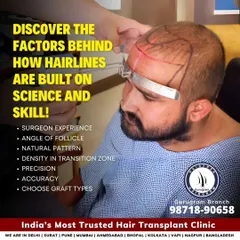
Hair Restoration: The Art and Science of Natural Results
More from Hair Transplant Repair by Dr. Jangid
More services by Dr. Jangid