Hair Restoration: The Art and Science of Natural Results
A successful hair transplant depends on surgical precision and a keen eye for design. Here is how we combine advanced techniques with careful planning to restore your hairline naturally.
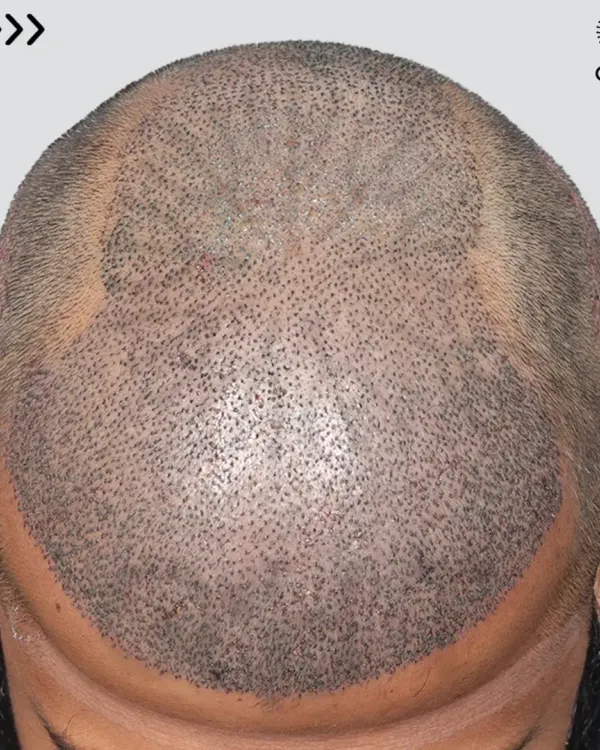
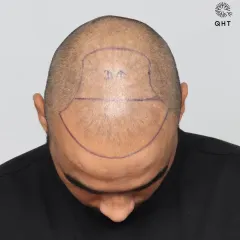
The first step in creating a great result is designing a great hairline. Here, I'm working with a patient to map out a hairline that is both natural and perfectly suited to his facial features.
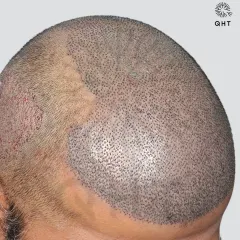
A natural hairline is built on science and skill. This image shows the key factors I consider, including surgeon experience, follicle angle, density, and graft types, to create a seamless and undetectable result.
Before the surgery begins, careful preparation is key. Here, a patient's hair is being trimmed in our hygienic clinical environment, getting the scalp ready for the FUE procedure.
This image captures me during the critical hairline design phase. A successful transplant is not just about adding hair, it's about redefining your look with precision and artistry.
This is where science meets art. A hair transplant requires intense focus and precision. This photo shows me and my team during a procedure, ensuring every graft is handled with the utmost care.
One attempt, one perfect outcome. This image captures the concentration required during an FUE procedure. Choosing an experienced surgeon is the most critical decision you will make.
Crafting confidence with precision. This close-up shot shows me using magnification loupes during a procedure to ensure every graft is placed perfectly, leading to the natural results my patients expect.
We do hair transplants that work and that stay. This image from a procedure shows the focus and dedication my team and I bring to every single surgery.
My proprietary BIG-FUE technique is designed to minimize graft damage to nearly zero. This close-up shows the careful extraction process, which is fundamental to ensuring high graft survival and excellent density.
We use advanced tools like Sapphire Tip Technology for implantation. This allows for finer incisions, which helps in achieving higher density and a more natural-looking result with faster healing.
About The Art & Science of Hair Restoration
Ek natural hairline banana sirf baal lagana nahi hai, yeh art aur science ka combination hai. I use laser-guided mapping to ensure the angle, depth, and density of every graft mimics your natural growth pattern, making the final result undetectable, even up close.
The Science: Why Technique Matters
Hair restoration isn't just about moving hair; it is about maintaining graft viability. I use my proprietary BIG-FUE technique, which is designed to keep graft damage as close to zero as possible. When grafts are handled carefully during extraction, their survival rate increases, which leads to better density later.
We also use Sapphire tip technology for the implantation phase. These blades allow us to create significantly smaller incisions compared to traditional steel blades. Smaller incisions mean we can pack grafts tighter for high-density results and ensure the healing process is faster with minimal scarring.
The Art: Designing Your Hairline
A hairline should never look like a straight, artificial line. It needs to follow your unique facial features. During your consultation, we use laser-guided mapping to plan the transition zone. This is where we control the angle and direction of each follicle.
If you have thick, curly hair, we place those grafts differently than thin, straight hair. It is all about mimicking the way your hair naturally grew before you experienced thinning.
The Reality Check
Understand that surgery is only the first step. You need patience. It takes 9 to 12 months for the full result to appear. My job is to ensure that the surgical foundation is perfect, but your cooperation with post-op care is what guarantees the long-term success of that growth.
Similar work from other experts
Browse through Curated picks from other experts on mytribe
 105
105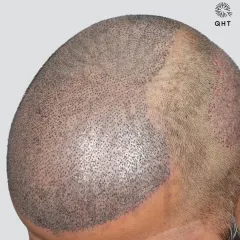
The Art and Science of Hair Restoration
Our Advanced Hair Transplant Techniques & Process
My Method: The Science of Hair Restoration

Understanding Our Advanced Hair Transplant Process
 29
29
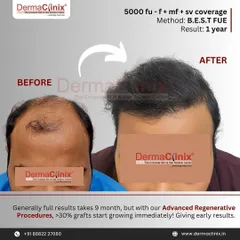
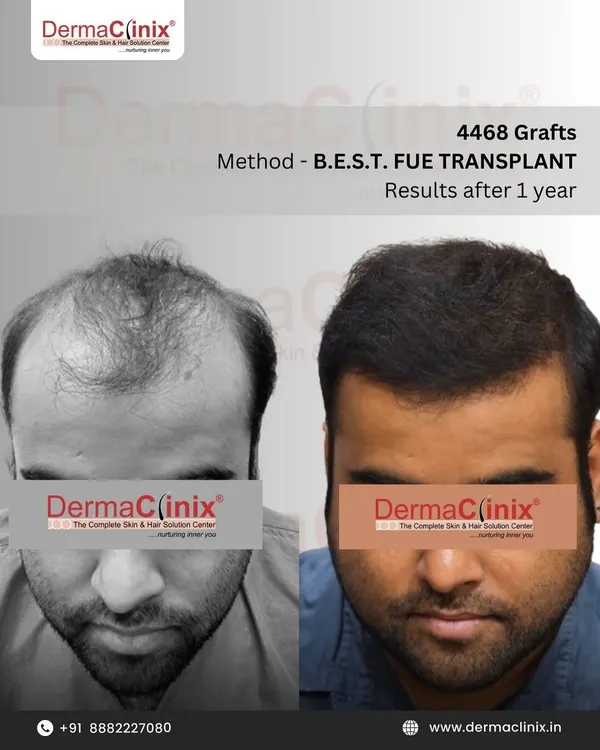
Real Scalp Hair Transplant Results
My FUE Hair Transplant Technique: The Art & Science
More from Hair Transplant Surgery by Santpal Sangwan
More services by Santpal Sangwan