Advanced Hair Transplant Repair & Correction
Had a bad transplant? You're not the only one. Whether it is an unnatural hairline, patchy density, or scarring from a previous procedure, I can help you fix it with precise, expert-led techniques.
Beard and temple transplants are advanced procedures. Because they are on the face, there is no room for error. I have had to repair many beard transplants done by inexperienced practitioners, which often involves removing the old grafts before implanting new ones at the correct angle.
When we harvest hair from the beard, we are very careful to take grafts in a way that doesn't affect your look. We take one hair and leave one, mostly from under the chin. While there might be a slight volume loss, it is generally a very safe and effective way to get good quality grafts.
Beard hair is thicker and coarser than scalp hair, so it doesn't match perfectly. To solve this, we never use beard hair to create a zone on its own. Instead, we mix it with scalp hair to add density, which results in a natural, blended look.
Creating the temple area is a sign of a mature, masculine hairline. I have seen patients where this area was filled in too much, giving the face a round, almost feminine look. Even Salman Khan's hair transplant preserves his temples to ensure his look remains natural as he ages.
I recently analyzed the hair transplant of a popular "Branded Fouji". His hairline looked unnatural because the hair direction was too upright and the temples were not properly created. Correcting these two things would significantly enhance his look.
People often think they can get unlimited density by using hair from all over their body. However, body and chest hair cannot replace scalp hair. They are thinner, have a shorter growth cycle, and are best used as "fillers" to add some density, not to create a hairline or a primary zone.
Hair transplant on scarred skin, known as scarring alopecia, presents unique challenges. The blood supply is reduced and the skin is tougher. The procedure is possible only if the underlying disease is inactive for at least six months to a year, and we have to use a lower density to ensure the grafts survive.
It is possible to perform a hair transplant on a burnt scalp area. However, the results can be compromised. The blood supply and skin thickness are reduced in a burn scar, which can affect graft survival. While we can do it, expectations for density must be realistic.
About Advanced Repair Techniques
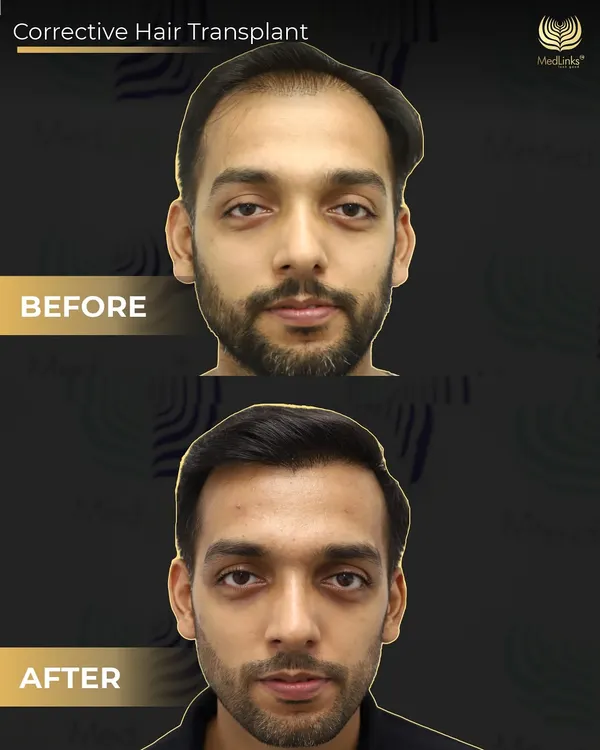
Dekhiye, a corrective hair transplant is not about simply adding more hair. It is often about carefully managing what you have left and fixing the foundational errors from your previous procedure. We start with a thorough check of your donor area and scalp condition, then focus on correcting the hairline design, graft angles, and density. My goal is always a natural look where not even your barber can spot the work.
Most of the patients who come to me for repair have the same issues: an unnatural 'doll-head' hairline, hair pointing in the wrong direction, or visible scarring from a poor FUE procedure. When I approach these cases, I rely on my 3D rule: Design, Density, and Direction.
First, we look at the Design. If your previous surgeon created a hairline that is too straight or too low, we often have to extract those misplaced grafts before we can even begin to build a new one. It is a slow process, but necessary for a natural outcome.
Then comes the Direction. Hair on the scalp grows at specific angles. If your previous transplant ignored this, your hair will stick out or look like a patch. I use precise, laser-guided placement to mimic your natural hair growth.
For Density and filling gaps, especially if your scalp donor area is depleted, we look at alternatives like beard hair or body hair. However, remember that body hair is a 'filler'. It adds volume but lacks the length and texture of scalp hair. We mix it carefully to ensure a seamless blend.
Finally, for scarring alopecia or burn marks, the procedure is different. The blood supply is compromised and the skin is tougher. We work with lower density to ensure survival and take extra care during extraction. A repair is a camouflage, not a magic fix. Come in for a consultation, and let's see what is realistically possible for your specific scalp.
Similar work from other experts
Browse through Curated picks from other experts on mytribe
 4
4Specialized & Corrective Hair Restoration Procedures
Fixing Failed Hair Transplants in Delhi
 6
6
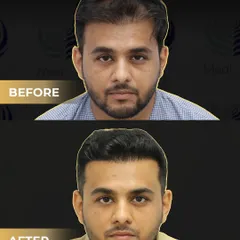
Corrective Hair Transplants: Fixing Unnatural Results
 4
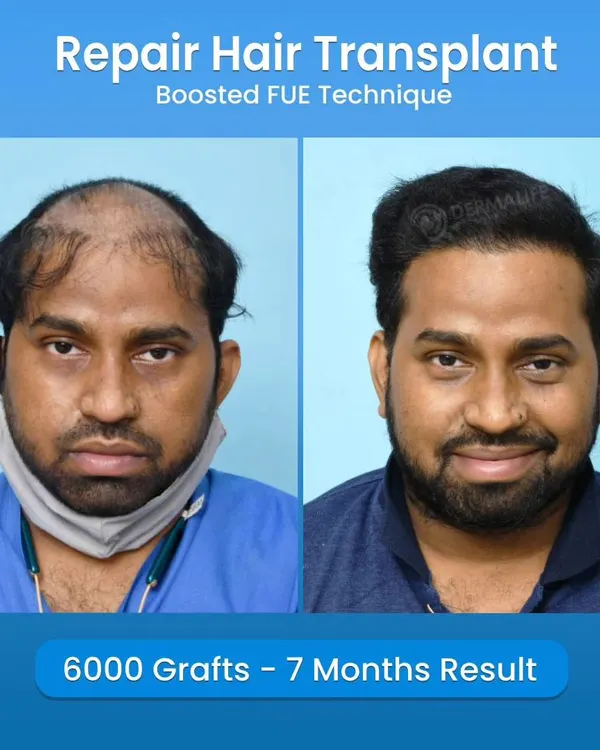
4Hair Transplant Repair and Correction
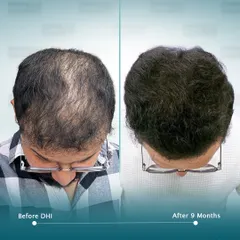
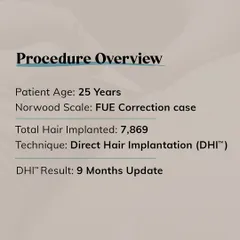
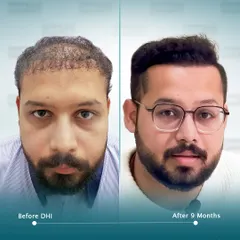
Repairing Failed Hair Transplants with Natural Results
 7
7
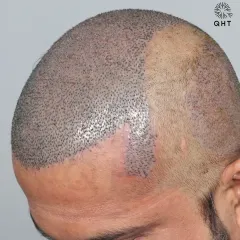
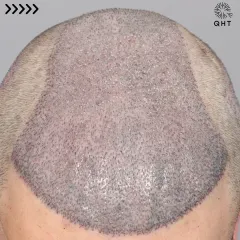
Fixing Failed Hair Transplants: Corrective Solutions
More from Hair Transplant Repair by Dr. Jangid
More services by Dr. Jangid