Achieving Natural Results with the 3D Rule
A natural hair transplant is not just about moving hair; it is about perfect design, density, and direction. Learn how I apply this 3D rule to repair and restore failed transplants.
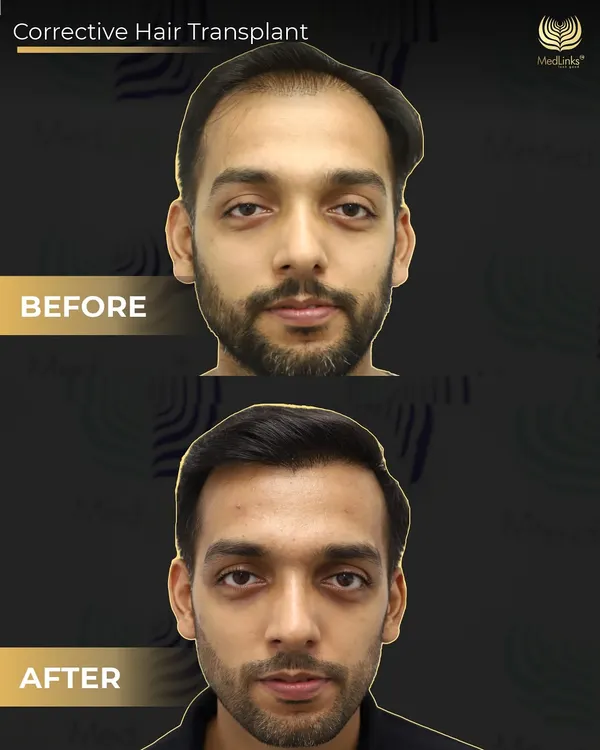
I often say that a hair transplant's success depends on three things: Design, Density, and Direction. If any of these are not right, the result looks unnatural, and that is when a corrective transplant becomes necessary. This video explains how these three pillars are key to a natural outcome.
The most common reason for a corrective transplant is a poorly designed hairline. I once had a patient whose hairline moved when he smiled because it was placed too low on the forehead muscle. Proper hairline placement is critical for a natural, static result.
Incorrect hair direction is a major challenge in corrective transplants. If hairs are implanted at a 90-degree angle, they have to be removed, which can be difficult and may cause scarring. This reduces the chances of success for a second transplant in the same area.
About My 3D Rule: The Philosophy of Natural Repair
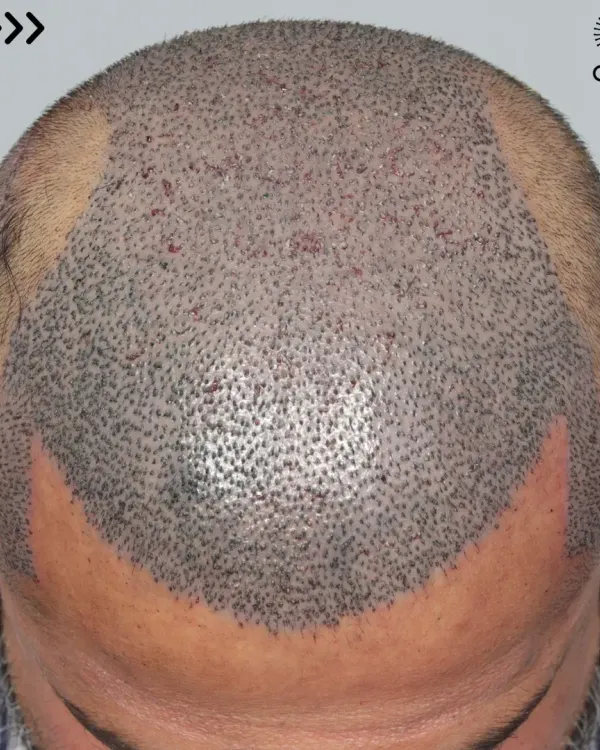
Many patients come to me because their previous transplant looks unnatural, often due to grafts placed at 90-degree angles or a hairline designed too low on the forehead. Fixing this is significantly more complex than a first-time procedure because the skin tissue has changed and donor supply may be limited. We start by assessing your current scalp health to see if a corrective approach, not just a redo, is actually the right path for your specific situation.
Understanding the 3D Rule
When I approach a hair transplant, I focus on three pillars: Design, Density, and Direction. A bad result is almost always a failure in one of these areas.
- Design: This is your hairline. If it is placed too low, it sits on the forehead muscle and moves when you smile, creating an instant giveaway. I redesign hairlines to look age-appropriate and static, ensuring they mimic natural hair growth patterns.
- Density: We avoid the 'see-through' look. Whether we use EnRiched-FUE or beard/chest hair for extra coverage, the goal is natural volume that doesn't look patchy.
- Direction: This is the most technical part. Hairs must be implanted at the exact angle of your existing hair. If they are placed at a 90-degree angle, they look like 'plugs.' Correcting this requires precision, as we are often working with scar tissue from the previous failed surgery.
The Reality of Corrective Transplants
Fixing a failed transplant is not a magic fix. If your previous surgery resulted in scarring, the blood supply to that area is already compromised. This makes the recipient area less receptive to new grafts.
During your consultation at my Delhi or Chennai clinic, we do not promise miracles. We assess:
- Your remaining donor area (scalp, beard, or chest).
- The extent of the scarring or fibrosis from the previous procedure.
- Whether your expectations align with what is surgically possible.
My goal is simple: I want your result to be a good camouflage. If someone looks at your hair and cannot tell you have had a procedure, I have succeeded.
Similar work from other experts
Browse through Curated picks from other experts on mytribe
 6
6
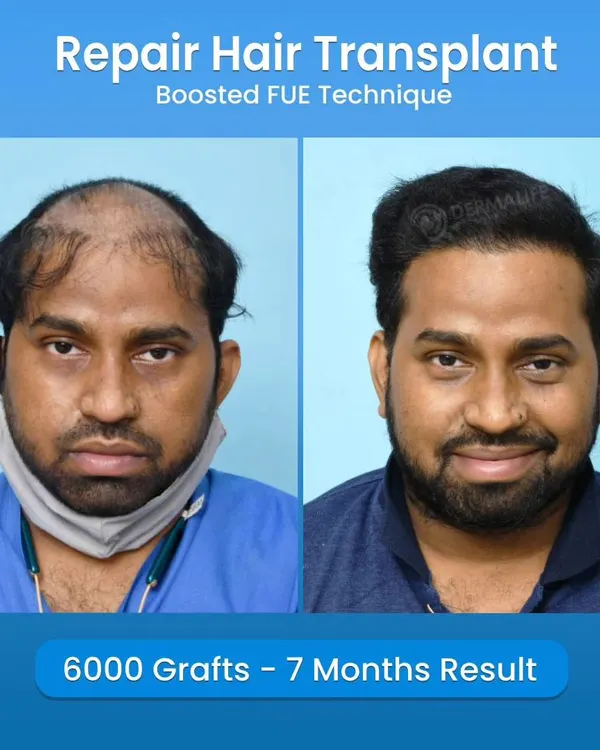
Corrective Hair Transplants: Fixing Unnatural Results
 4
4Hair Transplant Repair and Correction
Fixing Failed Hair Transplants in Delhi
Natural Hairline Design: Expert Hair Transplant Techniques
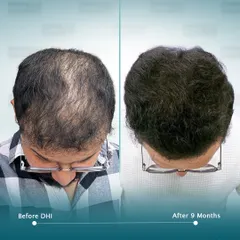
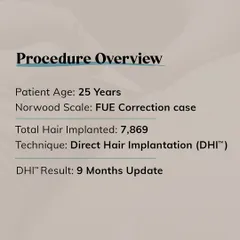
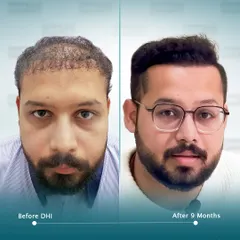
Repairing Failed Hair Transplants with Natural Results
 7
7
Fixing Failed Hair Transplants: Corrective Solutions
More from Hair Transplant Repair by Dr. Jangid
More services by Dr. Jangid