Warehouse to Vibrant Co-Living: Sustainable Adaptive Reuse
We reimagined a forgotten industrial space into a thriving, light-filled co-living home, proving that old structures have a second act.
This is the completed exterior of the Earthen Spirit project, a warehouse we repurposed into a modern co-living space called Zolo Java. We added new balconies and a striking multi-layered roof structure, blending the building's industrial past with a fresh, residential feel. The final design stands as a testament to how adaptive reuse can revitalize urban structures.
For our Earthen Spirit project, we designed this open terrace to be a hub of activity. The sloping roof features traditional Mangalore tiles with glass inserts, a design that scatters natural light across the floor in shifting patterns. This approach creates a bright, dynamic atmosphere that changes throughout the day, connecting the indoor space with the rhythm of the sun.
This is the cafeteria area within the Earthen Spirit co-living space, located on the open terrace. We used simple wooden furniture and patterned cement tiles to create a welcoming community area. The glass wall provides a clear view of the new double-height staircase, making the entire space feel connected and expansive.
The double-height staircase we introduced was a key part of the Earthen Spirit renovation. It creates a sense of openness and volume that was absent in the original warehouse. The simple black railings and suspended paper lanterns add a touch of modern design against the backdrop of the exposed roof structure.
The play of light and shadow was a central concept in our redesign. Here you can see how the sunlight filtering through the glass tiles on the roof creates a beautiful, geometric pattern on the interior walls and floor. This passive design element makes the space feel alive and constantly changing.
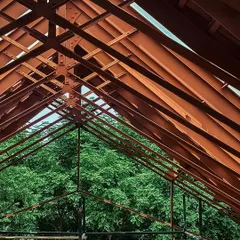
This photo captures a key moment during the renovation of the Earthen Spirit warehouse. Our team is installing the new steel framework for the sloping roof over the existing brick structure. This image shows the structural engineering and careful construction required to add new architectural layers to an old building.
Here is the Earthen Spirit building during the final stages of its transformation, seen at dusk. The new upper levels are illuminated from within, highlighting the new architectural form we added to the original structure. This view captures the transition from a forgotten warehouse to a beacon of the neighborhood.
This image shows the building before we began our work, when it was a simple, unused warehouse. Its location near tech parks made it a prime candidate for adaptive reuse into a co-living facility. Our renovation gave the structure a new purpose, responding to the changing needs of the city.
About Project Spotlight: From Warehouse to Vibrant Co-Living
Notice how the roof uses Mangalore tiles mixed with glass inserts? This isn't just an aesthetic choice; it’s a passive cooling technique that scatters natural light throughout the interior, drastically reducing the need for artificial lighting during the day. When we tackle warehouse conversions, we prioritize this kind of structural intervention—re-engineering roof systems and introducing double-height volumes—to turn dead zones into breathing, livable spaces that feel brand new yet deeply familiar.
Breathing New Life into Industrial Spaces
Adaptive reuse is about more than just a renovation; it is about respecting the history of a structure while re-tuning it for modern needs. When we took on the 'Earthen Spirit' project, the warehouse was an obsolete shell. Urbanization had changed the neighborhood, making it inaccessible for the heavy vehicles the building was originally designed for, but the location was perfect for a modern co-living facility.
Structural Engineering & Spatial Logic
We didn't just paint over the existing walls. Our team focused on three major structural shifts:
- Volume Expansion: We introduced a double-height staircase to break the monotony of the original floor plate, creating a vertical connection that makes the entire building feel expansive.
- Passive Thermal Management: By using a steel framework to support Mangalore tiles and strategically placing glass inserts, we created a self-shading roof system. This keeps the interior temperatures low despite the high volume, a critical requirement for residential comfort in Bengaluru.
- Material Integrity: We kept the raw brickwork and industrial skeleton, using them as a backdrop for the new co-living program. Every piece of MS steel and every tile placement was calculated to minimize waste and ensure the structure remained lightweight enough for the existing foundation.
This project serves as a blueprint for how warehouses near tech hubs can be repurposed into vibrant residential spaces without tearing down the history of the site. It is not about creating something new from scratch, but about finding the 'fresh chapter' hidden within the old walls.
Similar work from other experts
Browse through Curated picks from other experts on mytribe
 8
8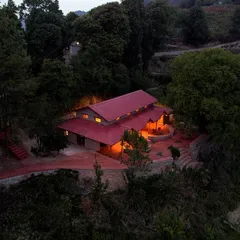
Our Featured Projects in Adaptive Reuse

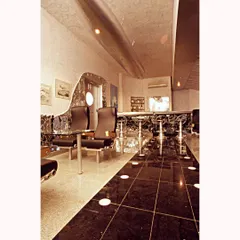
Commercial Transformations: Industrial Spaces Reimagined
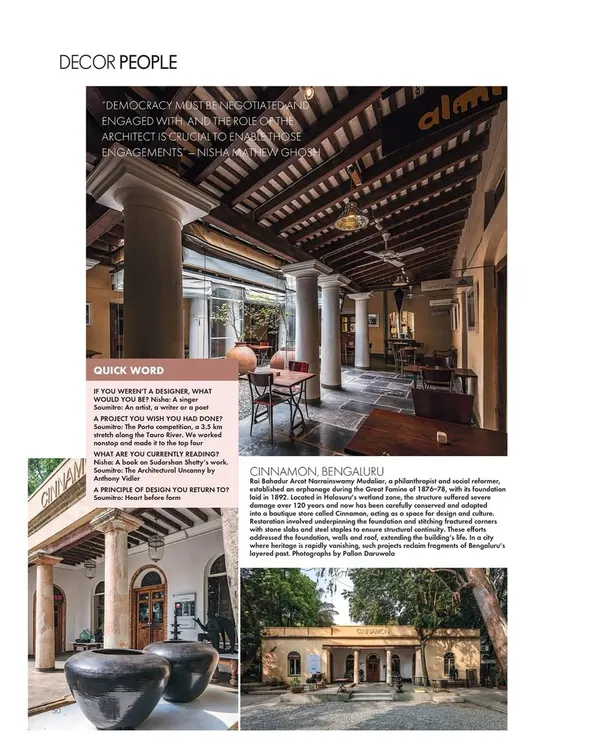 26
26
Adaptive Reuse Architecture for Heritage & Commercial Spaces
 7
7
Architectural Transformations: From Old to Bold
Architectural Design for Community and Shared Spaces
 5
5
Contemporary Adaptive Reuse: Giving New Life to Existing Structures
More from Renovation & Adaptive Reuse by Design Kacheri
More services by Design Kacheri