Architectural Concept to Construction: Realizing Design Intent
Translating theoretical diagrams into physical structures requires rigorous technical planning. We document our fabrication methodology to ensure every element, from steel frameworks to kinetic partitions, aligns with the original spatial concept.
This time-lapse documents the fabrication of the Bonnie & Saks exhibition booth. It reveals the three key stages of the build: the assembly of the steel framework, the precise installation of the helical curtain channel, and the final placement of the tatami mat flooring and curtains.
About Concept to Construction
Precision in fabrication defines our spatial outcomes. For the Bonnie & Saks booth, the helical channel was assembled from six distinct steel sections, suspended to ensure the geometric integrity of the spiral curtain track, maintaining the design's intended fluidity within a rigid exhibition framework.
The Methodology of Making
Architecture at our studio is not merely about aesthetic output. It is a dialogue between the abstract concept and the tangible, built environment. We view construction as the final, critical stage of the design process where materiality, structural logic, and sensory experience intersect.
Technical Execution: The Bonnie & Saks Installation
Our approach to temporary installations mirrors our permanent architectural work. The Bonnie & Saks project required resolving a specific spatial challenge: creating a sense of movement in a static exhibition hall.
- Structural Framework: We utilized a steel box-section grid to support the ceiling, creating a rigid container for the experience.
- Helical Geometry: The installation featured a complex spiral channel constructed from six individual pieces. Precision was paramount here. We calculated the intersection points where the spiral met the upper grid to place suspending supports, ensuring the load was distributed correctly.
- Sensory Integration: The final layer involved the installation of tatami mat flooring and motorized curtains. This sequence, framework, then geometry, then texture, ensures that the architecture remains quiet and focused, prioritizing the visitor's interaction with the space over the structure itself.
Process-First Approach
Whether designing a flagship boutique or a modular exhibition booth, our process remains consistent. We emphasize:
- Materiality: Using raw, honest materials like steel, concrete, and stone.
- Flow: Defining movement paths through spatial configuration rather than signage.
- Assembly: Designing for efficient, high-quality on-site construction to maintain the integrity of our initial diagrams. This focus on technical resolution allows us to push the boundaries of what is possible within limited timeframes and challenging site conditions.
Similar work from other experts
Browse through Curated picks from other experts on mytribe
 6
6
Architectural Design Process: Turning Your Vision Into Reality
 58
58
From Concept to Construction: The Architectural Process
 14
14
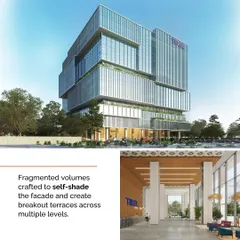
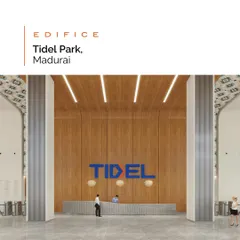
Our Architectural Design Process: From Concept to Construction
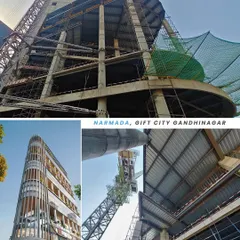
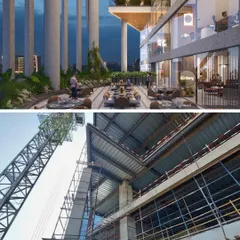
Turning Architectural Blueprints Into Reality
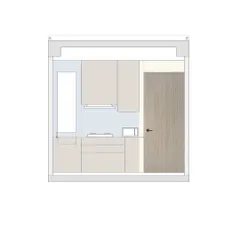
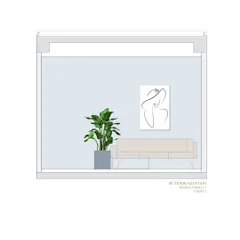
Architectural Blueprints and Technical Design Planning
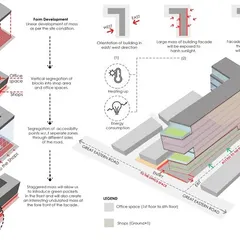
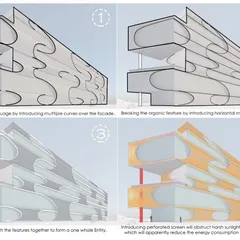
Our Architectural Process: From Concept to Construction
More from Retail & Experiential Design by DIG Architects
More services by DIG Architects