Sun Protection Guide: Expert Dermatology Advice
Sunscreen is the most important step in your skincare routine, yet it is the most misunderstood. Here is the science behind UV rays and how to pick the right protection for your skin.
It's crucial to understand what you are protecting your skin from. This guide breaks down the UV spectrum, explaining the difference between UVA (aging) and UVB (burning) rays. A broad-spectrum sunscreen is essential because it blocks both types of damaging radiation.
Many people are unsure what SPF number to choose. Here, I explain exactly what SPF stands for and how the different levels, like SPF 30 and SPF 50, translate to real-world protection against sunburn. This helps you make an informed choice for your daily skincare routine.
The 'PA' rating on a sunscreen label is just as important as the SPF, but it is often overlooked. This rating system measures protection against UVA rays, which cause photo-aging. This chart decodes the plus signs so you know the level of anti-aging protection you're getting.
Even the best sunscreen won't work if you don't apply enough of it. I recommend following the 'Teaspoon Rule' to ensure you are getting the full protection stated on the bottle. This guide shows the correct amount of sunscreen needed for your face, neck, and body.
About Your Guide to Sun Protection
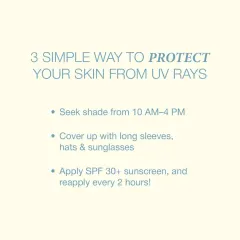
Most people apply sunscreen only when going to the beach. That is not how it works. You need daily protection because UVA rays penetrate glass and damage your skin even while you are sitting in your car or at your office desk. Think of it as a mandatory shield against premature aging, regardless of the weather outside.
UVA vs. UVB: Why You Need Both
Think of the UV spectrum as two distinct enemies. UVB rays are what cause immediate sunburns, while UVA rays are silent. They penetrate deep into the skin, destroying collagen and causing premature aging. When you choose a sunscreen, do not look only at the SPF. You must ensure it is 'Broad Spectrum' to block both.
Deciphering the Labels
Many patients get confused by the numbers.
- SPF: This relates specifically to UVB protection. It tells you how long it takes for your skin to burn.
- PA Rating: This is your defense against UVA. Look for PA++++ to get the highest level of protection against photo-aging. If your bottle only mentions SPF, you might be missing the most critical part of your anti-aging strategy.
The Teaspoon Rule
Even a high-quality product will fail if you do not use enough. Most people apply only a fraction of the recommended amount. You need roughly half a teaspoon for your face and neck alone to actually hit the protection level promised on the label. If you are applying a thin, barely-there layer, you are not getting the coverage you paid for.
Making it Practical
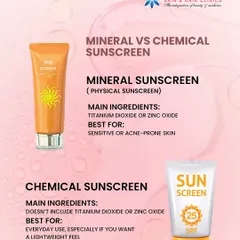
If you find sunscreen feels sticky or heavy, do not just stop using it. That usually means you are using the wrong formulation for your skin type. Whether you need a gel-based formula for oily skin or a hydrating cream for dry skin, the right product should feel invisible. My advice is simple: find one you actually enjoy applying, and apply it every single day. Consistent, daily use beats a high-SPF product that stays on your shelf because you hate the texture.
Similar work from other experts
Browse through Curated picks from other experts on mytribe
Sunscreen School: Expert Advice on SPF & Skin Protection
Sunscreen School: Your Daily Defense Against Sun Damage
Sunscreen School: Expert Guide for Indian Skin
 19
19
The Foundation: Sun Protection & SPF Guide
 7
7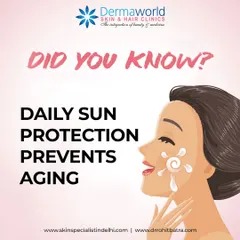
Sunscreen 101: Simple Steps for Real Protection
Sun Protection Simplified: A Dermatologist's Daily Guide
More from Cosmetic Injectables & Lifts by Hemma Yadav