Brain Teasers and Logic Puzzles for Kids
We believe coding is a way of thinking, not just a way of clicking. Before your child touches a screen, we build their foundational logic through fun, hands-on puzzles that make computational thinking intuitive.
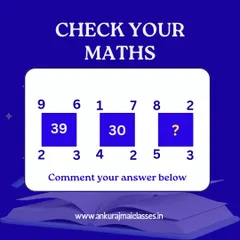
Can you spot the pattern? This number sequence puzzle is a great exercise in logical thinking and is similar to the challenges we use to teach kids about patterns and rules in our classes.
Every problem follows a rule. This puzzle encourages kids to think logically about how numbers change, whether by adding, multiplying, or following a hidden pattern. This is the foundation of computational thinking.
Get your thinking caps on. This is the start of one of our brain teaser series, designed to challenge your child's problem-solving skills and introduce them to key computational concepts in a fun way.
Brain Teaser: I'm a component of a computer that performs arithmetic and logical operations. What am I? This riddle helps build tech vocabulary and understanding of computer hardware.
Brain Teaser: I'm a programming concept that allows a function to call itself. What am I? This puzzle introduces the advanced but powerful idea of recursion in a simple, question-based format.
Brain Teaser: I'm a programming language used for building dynamic web applications. What am I? Test your knowledge of popular programming languages with this fun riddle.
Brain Teaser: I'm a file format for storing and compressing digital images. What am I? This question connects coding concepts to everyday technology that kids are already familiar with.
Brain Teaser: I'm a cloud computing service that provides on-demand computing resources over the internet. What am I? A great way to introduce the concept of cloud services.
Brain Teaser: I'm a web technology that allows for real-time communication between a web browser and a server. What am I? This puzzle delves into the technology that powers modern web applications.
Brain Teaser: I'm a type of software that searches for and removes malicious programs from a computer. What am I? This riddle introduces the important concept of cybersecurity.
About Brain Teasers & Puzzles
In our workshops, we don't start with keyboards. We start on the floor with physical mazes, card-sorting games, and number sequences. By physically manipulating these patterns, kids learn how to sequence instructions, build loops, and fix errors without ever looking at a monitor. This builds a mental model of how logic works, ensuring they understand the process before they ever write a line of code.
Building Computational Thinking Without Screens
Many programs jump straight to 'drag and drop' coding, but that often masks a lack of understanding. We take a step back. At Code-Riite, we view a computer program as nothing more than a set of rules, and our brain teasers are designed to teach children how to create, follow, and optimize those rules.
Why Logic Puzzles Matter
- Algorithm Design: When a child solves a maze on paper, they are actually designing an algorithm. They have to plan the path, anticipate obstacles, and sequence their moves—exactly what a computer does.
- Pattern Recognition: Learning to spot patterns in number series is the bedrock of identifying loops and repetitive functions in programming languages like Python or Java.
- Debugging Skills: When a puzzle doesn't work, kids learn to trace their steps back to find the error. This builds the patience and analytical skills required for real-world software development.
Our Hands-On Methodology
We utilize a mix of 'unplugged' activities to make these concepts stick. Whether it is sorting cards to learn binary basics, folding origami to understand geometry, or using grid maps to practice directional logic, the goal is always the same: to get the child to articulate the logic verbally before they interact with any digital tools.
This approach ensures that when your child eventually transitions to Scratch, Python, or Java, they aren't just memorizing syntax. They are applying logical principles they already understand and enjoy.
Similar work from other experts
Browse through Curated picks from other experts on mytribe
Unplugged Coding for Kids: Logic Without Screens
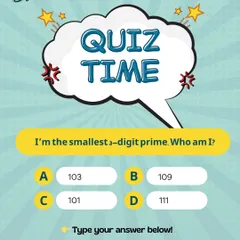
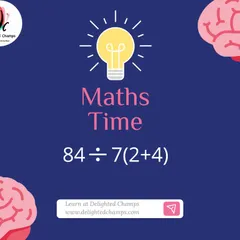
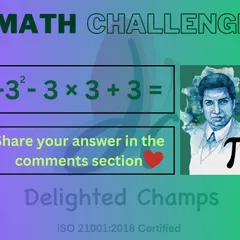
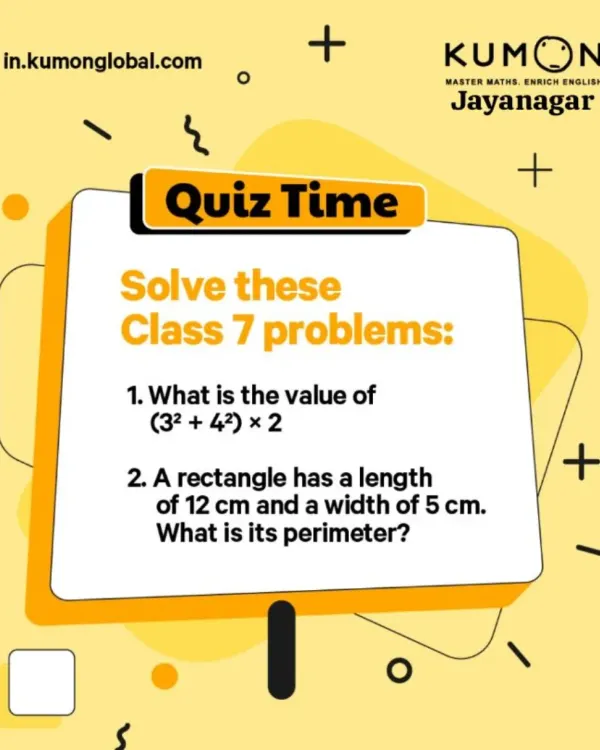
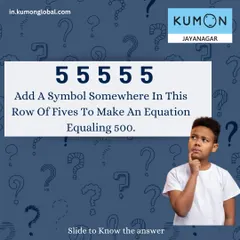
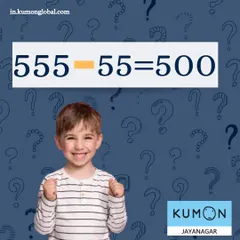
Brain-Boosting Math Challenges for Kids
 34
34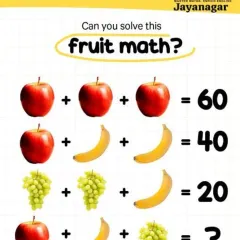
Fun Math Challenges & Brain Teasers
 4
4
STEM, Robotics, and Coding Classes for Kids
Math Brain Teasers and Logic Puzzles
 6
6
Brain-Boosting Activities and Logic Games for Kids in Vikhroli
More from Online Coding Classes for Kids by Code-Riite
More services by Code-Riite