Brain-Boosting Games & Puzzles for Kids
Ditch the screens and spark your child’s curiosity with these simple, at-home brain games. From memory puzzles to logic challenges, we focus on play-based activities that turn everyday moments into powerful learning opportunities.
This "Frame Brainers" puzzle set is a fantastic self-correcting tool for kids. It covers everything from logic to math and grammar, allowing children to solve problems and check their own answers, which builds confidence.
The "Colour Trap" memory game is a perfect way to train a child's brain. It challenges them to remember the sequence of colors, which boosts memory, focus, and logical thinking skills.
This "Observe, Hide, and Play" memory game is a simple yet effective brain booster for toddlers. It requires them to remember the color pattern of the balls, enhancing their short-term memory and attention to detail.
This visual discrimination activity challenges kids to match patterns made with pom-poms. It's an excellent game for improving observation skills, focus, and the ability to notice subtle differences.
This DIY smiley face worksheet is a fun visual attention game. Children have to match the smiley faces with the same colored features, which sharpens their observation skills and ability to track visual information.
The "Clap and Tap" brain game is a rhythmic activity that improves coordination and concentration. Following the pattern of claps and taps stimulates brain function and helps with pattern recognition.
These three DIY activities are designed for brain development. They include tasks like shape matching and pattern completion, which are excellent for enhancing visual perception and logical reasoning skills.
This brain exercise improves bilateral coordination and critical thinking. By matching colors to handprints, children engage both sides of their brain, boosting concentration and processing speed.
This "Guess & Match" game is a fun way to work on memory and color recognition. Hiding colored balls and having kids guess the sequence is a simple setup for a powerful brain-boosting activity.
The "Don't touch the fruit I said" game is a fantastic listening and impulse control exercise. It requires children to focus carefully on instructions and inhibit their initial response, which is great for attention development.
About Brain-Boosting Games & Puzzles
The real magic isn’t when your child gets the puzzle right on the first try; it’s when they try, make a 'tappu' (mistake), and figure out how to correct it. We don't use expensive toys for these exercises. Almost every game you see here uses simple items like pom-poms, buttons, or cardboard you already have in your kitchen or craft drawer, making it easy to integrate into your daily routine.
You don’t need a classroom to boost your child's cognitive development. I believe that children learn best through movement and sensory play, not rigid lessons. When a child engages with a pattern-matching worksheet or a wooden tangram set, they are building essential skills like visual discrimination, critical thinking, and spatial reasoning.
Why Play-Based Brain Games Matter
- Memory & Focus: Games like 'Observe, Hide, and Play' train children to hold information in their short-term memory, which helps build a longer attention span over time.
- Logical Reasoning: Activities such as puzzles, tangrams, and 3D car configurations encourage kids to understand spatial relationships and step-by-step problem-solving.
- Listening & Impulse Control: Exercises like 'Clap, Boom, and Snatch' force children to listen actively, wait for the correct cue, and suppress their initial response. This is a vital skill for classroom readiness.
- Bilateral Coordination: Brain gym activities that involve using both hands simultaneously help stimulate both sides of the brain, leading to better concentration and processing speed.
Practical Learning at Home
My goal is to show parents that effective early childhood education is about consistency, not perfection. Whether it is a simple counting game using household items or a DIY pattern worksheet, the goal is to create a joyful learning environment. If you are struggling with screen addiction or just want to introduce more structure to your child's playtime, these activities provide a practical, screen-free alternative that supports development from newborn to 6 years old.
Similar work from other experts
Browse through Curated picks from other experts on mytribe
 6
6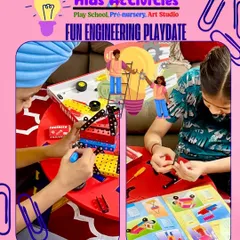
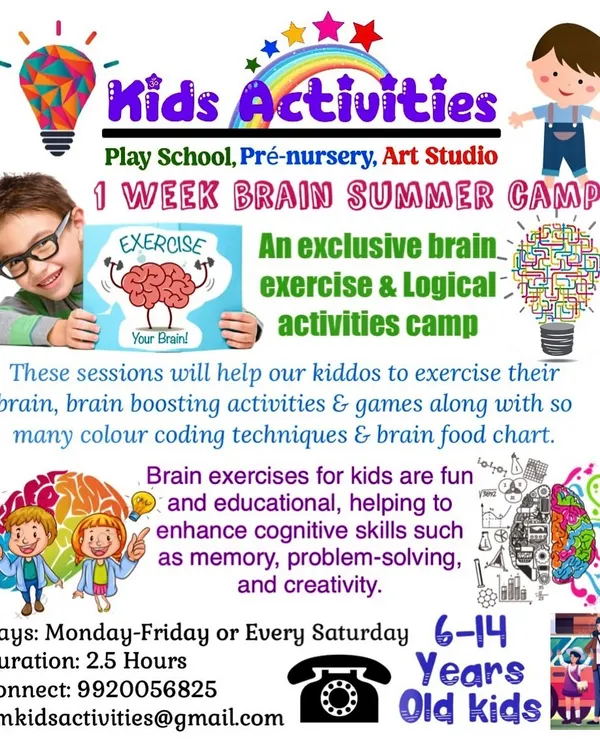
Brain-Boosting Activities and Logic Games for Kids in Vikhroli
 61
61
Brain Teasers and Logic Puzzles for Kids
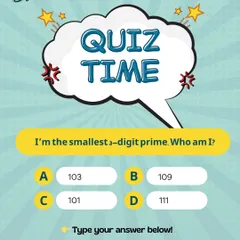
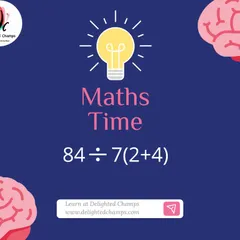
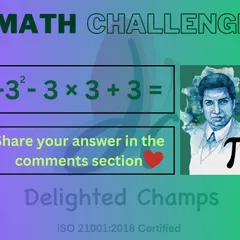
Brain-Boosting Math Challenges for Kids
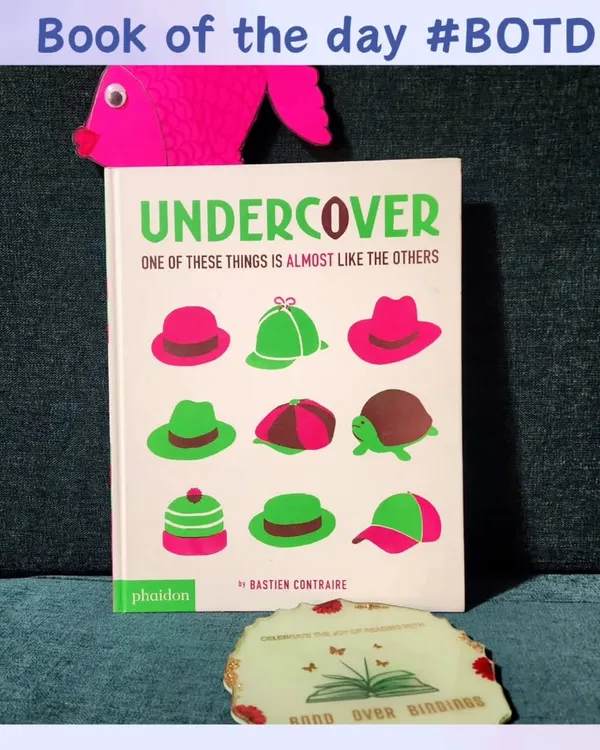 5
5
Interactive Activity Books and Visual Puzzles for Kids
Fun Brain Teasers and Puzzles to Spark Math Curiosity
Fun Learning Activities for Math & Brain Development
More from Early Learning & Development Activities by Sarvani Adabala
More services by Sarvani Adabala