The Artisan's Process: Behind My Slow Fashion Studio
See how I turn discarded scraps and heritage textiles into wearable history, one stitch at a time.
I document the stories and processes behind my textile work on my YouTube channel. This is an invitation to explore the making of my crossover projects, which blend diverse textile traditions from around the world.
This is what my zero-waste philosophy looks like in practice. I am holding bundles of colorful fabric scraps, the raw material for my next improv quilt or patchwork trim.
A montage of the things that inspire me and the world my creations inhabit. From the art on my walls to the textures of my textiles and the colors of my city, every element informs my work.
About The Artisan's Process
When you see a piece finished, it is easy to miss the months of sourcing that came before. I do not buy fabric in bulk from a warehouse. Instead, I spend weeks gathering vintage remnants—Kutch embroidery, Balinese Ikat, or even offcuts from my own previous projects. Each garment begins with this collection of 'scrap,' which I then spend hours balancing, hand-stitching, and restoring before it ever touches a sewing machine. It is a slow, quiet way of working that ensures no two pieces are ever truly identical.
The Philosophy of Slow Craft
My studio is less of a manufacturing space and more of a laboratory for memory. I believe that discarded textiles still hold the energy of the people who wore them. Whether it is a fragment of Myanmar hemp or a sliver of Kutch embroidery, my work is about honoring that provenance. When I start a project, whether it is a custom blouse or a patchwork saree, I am essentially stitching together a dialogue between disparate cultures.
The Making of a Piece
The process is never linear. It begins with the 'find'—scouring markets or digging through my own archives for materials that speak to each other.
- Sorting and Restoration: Every scrap is cleaned, mended, and prepared. If the fabric has a tear, I might use traditional Zardozi or Kantha running stitches to reinforce and celebrate the repair rather than hiding it.
- Composition: I lay out these fragments, balancing weight, texture, and color. This is the stage where the 'story' takes shape.
- Construction: I do not use patterns in the traditional sense. I drape and build around the existing borders of the vintage fabrics.
- Finishing: Every piece gets hand-done tassels or mirror work (abhla) to ground the garment in a familiar, earthy aesthetic.
Why Co-Creation Matters
When you commission a piece, you are not just ordering a garment; you are participating in this restorative cycle. We sit together, we look at the textures, and we decide which fragments belong in your final piece. This ensures your item is not just a trend-based purchase but an heirloom, built with purpose and patience in the heart of Mumbai.
Similar work from other experts
Browse through Curated picks from other experts on mytribe
Behind the Seams: My Handcrafted Process
The Artbeats Story: Where Art Meets Wearable Craft
Inside My Creative Studio: How I Handcraft Your Jewelry
The Art Behind My Handmade Crochet
The Art of Our Couture Craftsmanship
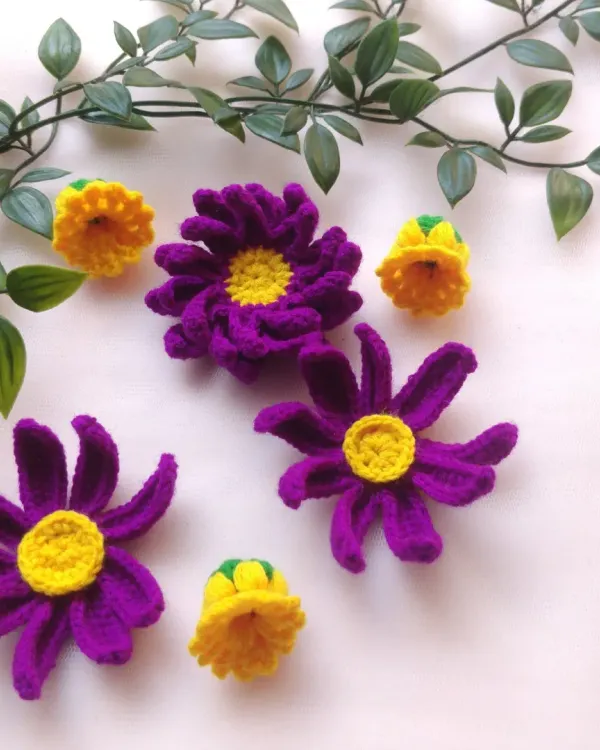 5
5
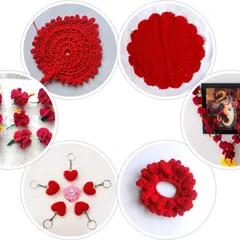
Behind the Scenes of My Handmade Crochet Craft
More from Custom & Artisanal Apparel Design by Chandan Dubey
More services by Chandan Dubey