A Naturalist's Journal: Indian Bird Photography Insights
Every bird has a story, and every photo here is a page from my field journal. These aren't just shots; they are observations of behaviour, habitat, and the delicate nature of the wild.
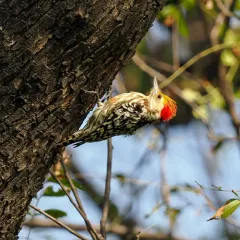
The Indian Nuthatch has a curious habit of plastering mud around its nest entrance, earning it old names like 'mud dabbler'. This one is seen climbing down a tree, a skill they are well known for.
The Chestnut-capped Babbler is a noisy, social bird that lives in reedbeds and tall grass. Its chattering calls are often the first sign of its presence. Believe me, it is a beautiful bird to watch.
A Chestnut-capped Babbler calling out. Its red eye and chestnut cap are distinctive features. These birds are a great example of a species that is heard more easily than it is seen.
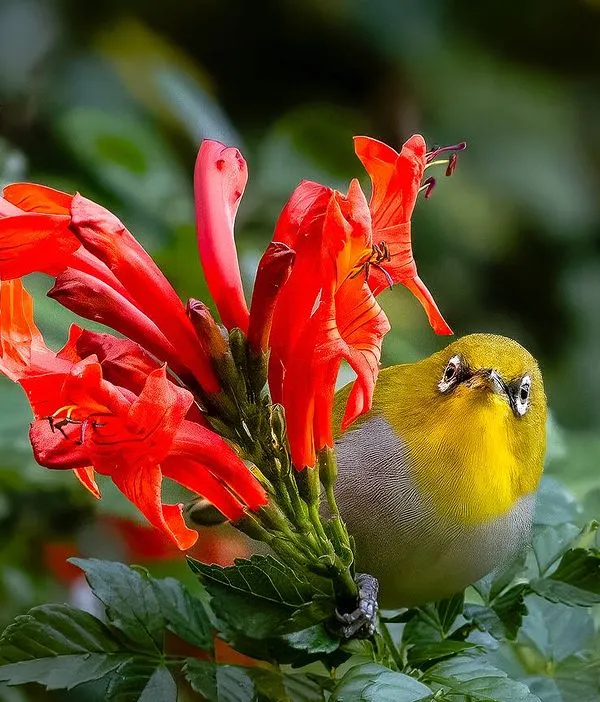
The Nilgiri Flowerpecker is a tiny bird endemic to the Western Ghats. They are crucial pollinators and seed dispersers, especially for mistletoes, playing a vital role in the health of their forest home.
About A Naturalist's Journal
Photography is only half the work. To capture a bird in its natural state, you must first learn to watch, to recognize the unique chatter of a Chestnut-capped Babbler or the way an Indian Nuthatch plasters its nest. In my field sessions, we do not just chase subjects; we slow down to understand their life cycle and habits, which is the only way to get shots that are truly authentic and ethically captured.
Learning the Language of the Forest
When I guide a session, I focus heavily on fieldcraft. You might have a high-end camera, but if you do not understand the bird, you will never get the shot.
- Observational Skills: We start by learning to use our eyes and ears. We track the subtle movements in the canopy or the specific, metallic calls of the Chestnut-capped Babbler. This is about being a part of the environment, not an intruder.
- Ethical Photography: This is non-negotiable. I teach techniques to get close without using call playback or disturbing nesting sites. Whether it is a tiny Nilgiri Flowerpecker or a larger bird of prey, the safety of the subject always comes before the photograph.
- Understanding Habitat: Every species has a specific niche. A Nuthatch behaves differently because of its need to store food and defend its territory. When you understand the 'why' behind their movement, your composition becomes better because you can anticipate the action.
Field Journaling in Action
My approach is to treat every expedition like a research project. We spend time in the field—whether it is the reedbeds of Uttar Pradesh or the canopy of the Western Ghats—waiting for the right moment.
This is not about checking a list of birds off. It is about patience. Sometimes we wait for hours. When the bird finally appears, it is rewarding not just because of the photo, but because you watched the story unfold. If you are looking to move past 'Auto' mode and truly understand the wildlife you are capturing, my workshops are designed to bridge that gap between equipment and nature.
Similar work from other experts
Browse through Curated picks from other experts on mytribe
 30
30
Avian Wonders: Documenting Birds in Their Natural Habitat
 10
10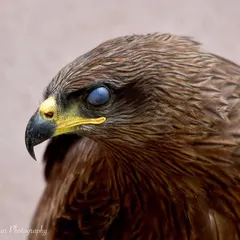
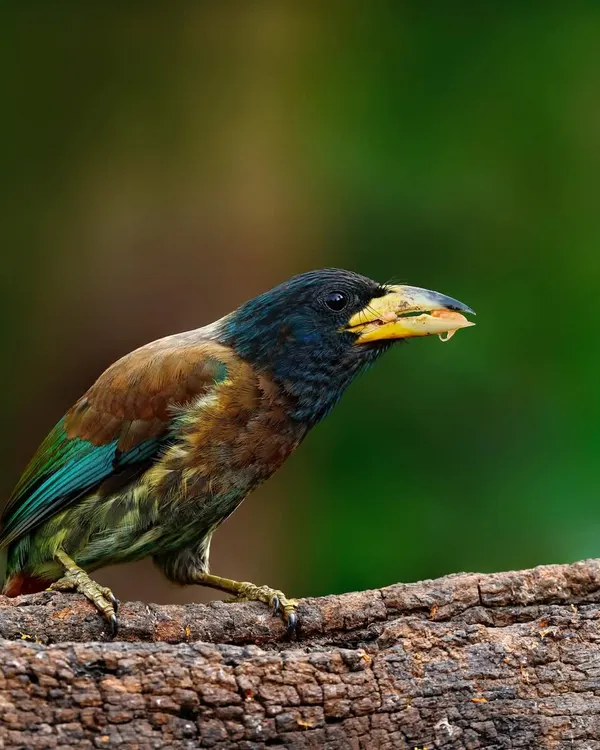
Feathered Friends & Winged Messengers
 138
138
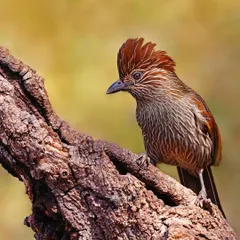
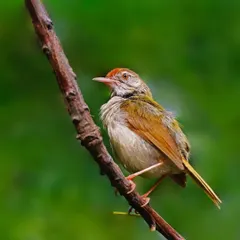
Bird Photography in Natural Habitats
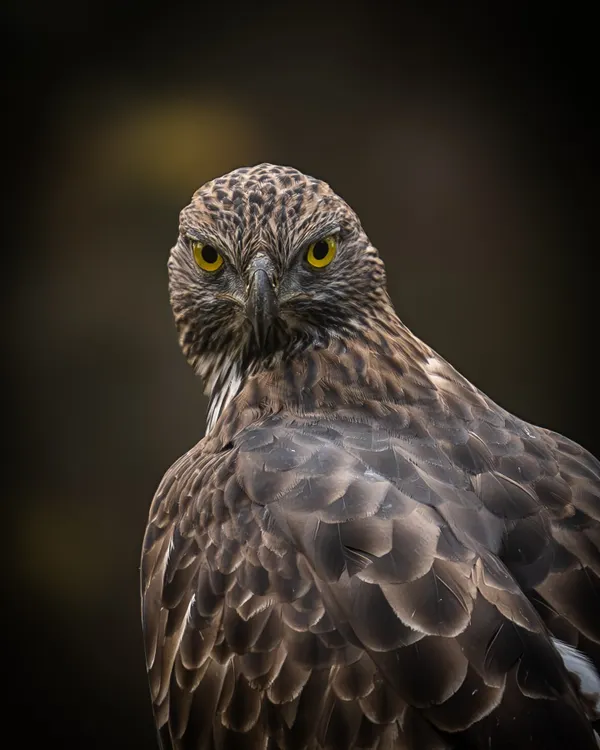 87
87
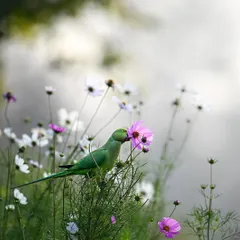
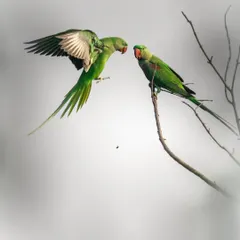
Avian Portraits and Raptor Photography
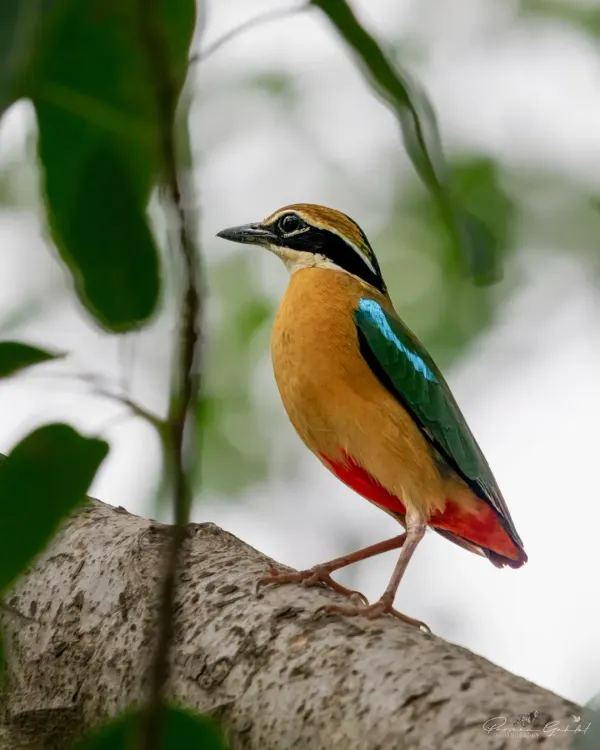 44
44
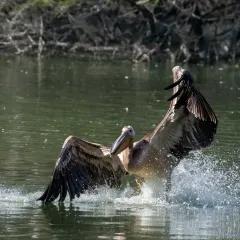
A Photographer's Journal: Conservation and Nature Stories
 28
28
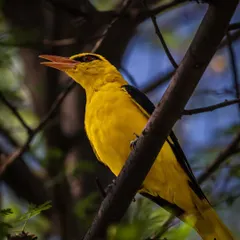
Majestic Birds of India: Wildlife Photography Portfolio
More from Bird Photography Workshops & Guided Expeditions by Bird Photography
More services by Bird Photography