Surgical Solutions for Stable Vitiligo
For white patches that haven't changed in a year, surgery can help restore natural pigment. I evaluate stability first to determine if you are a candidate for procedures like melanocyte transfer or punch grafting.
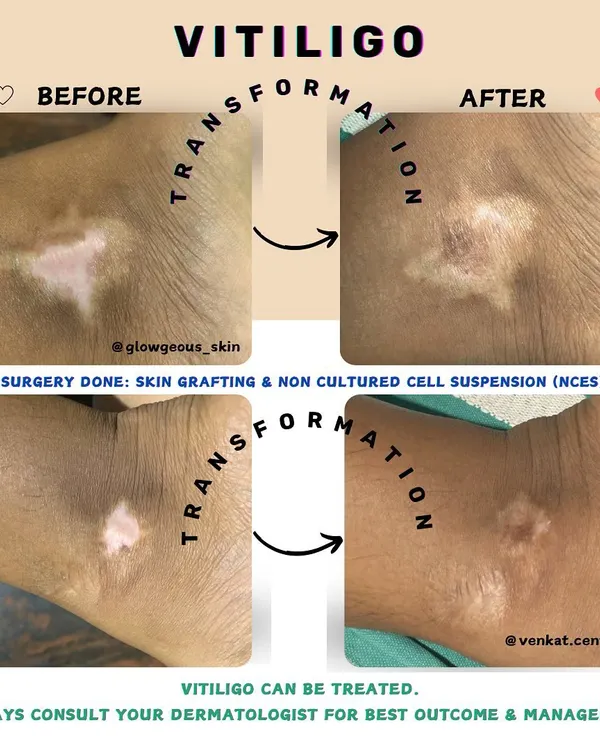
This video shows the step-by-step process of non-cultured melanocyte transfer for a vitiligo patch. We harvest pigment cells, prepare them, and apply them to the affected area. The before-and-after comparison at the end shows the successful repigmentation that is possible with this advanced surgical technique.
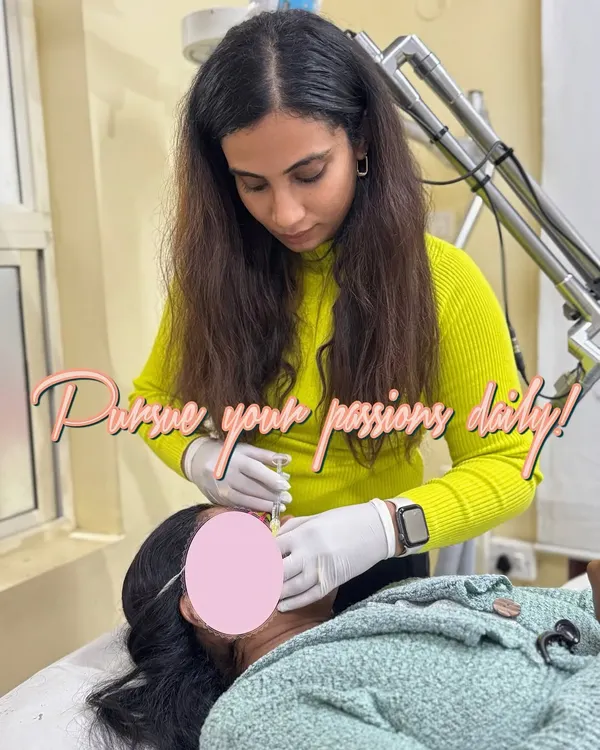
This image shows the immediate result of a mini punch grafting procedure for vitiligo. Small grafts of pigmented skin are transplanted into the white patches. This method is particularly effective for treating both small and large areas of stable vitiligo and kickstarts the repigmentation process.
I was honored to be invited back to my alma mater, Bengaluru Medical College and Research Institute, to demonstrate vitiligo surgery techniques. This video shows me preparing skin grafts during a dermatosurgery workshop for other doctors.
I often get asked if surgery is an option for vitiligo. The answer is yes, for stable cases. In this video, I briefly explain the criteria for considering surgical treatment and encourage patients to discuss the possibilities with a qualified dermatologist.
About Surgical Solutions for Vitiligo
Surgical options aren't for everyone. The most important factor I check during your consultation is stability, meaning your vitiligo patches have not spread or increased in size for at least 12 months. If your condition is currently active, surgery will not hold, so we focus on stopping the progression before considering any invasive procedure.
Surgery is a powerful tool when used at the right time. When patches are stable, we can effectively transplant pigment-producing cells from a healthy area of your skin to the affected patch.
My Surgical Approach
- Mini Punch Grafting: We take tiny, 1mm to 1.5mm punches of pigmented skin from a donor area like your thigh and transfer them directly to the white patch. This is often my go-to for smaller, localized areas. It is a straightforward procedure performed under local anesthesia.
- Non-Cultured Melanocyte Transfer: This is more advanced. We harvest healthy cells, process them into a suspension in a lab setting, and apply that pigment-rich liquid to the depigmented area. It is highly effective for larger patches and offers a more natural, uniform color match.
Managing Expectations
Surgery is not an overnight fix. It is a journey. After the procedure, repigmentation can take anywhere from 3 to 6 months to fully develop. We often combine this with narrow-band phototherapy post-surgery to boost results. My goal is to manage your expectations honestly. We do not promise perfection, but we do promise a scientific, evidence-based approach to restoration. Before we schedule any surgery, we conduct a detailed consultation to assess your specific patch, discuss the success rates relevant to your case, and ensure you are both mentally and physically prepared for the recovery period.
Similar work from other experts
Browse through Curated picks from other experts on mytribe


Advanced Vitiligo Treatments and Procedures


Vitiligo Treatment and Pigment Restoration

Step-by-Step Vitiligo Treatment Plan
 5
5Advanced Clinical Treatments for Complex Skin Conditions
 14
14Vitiligo Treatment and Advanced Scar Revision
Effective Solutions for Pigmentation and Skin Tone Correction
More from Medical & Surgical Dermatology by Govind S. Mittal
More services by Govind S. Mittal