Wilderness First Aid & Basic Life Support Training
When you are miles from the nearest hospital, you are the first responder. We train you in wilderness-specific Basic Life Support (BLS) and trauma management to handle the golden hour effectively.
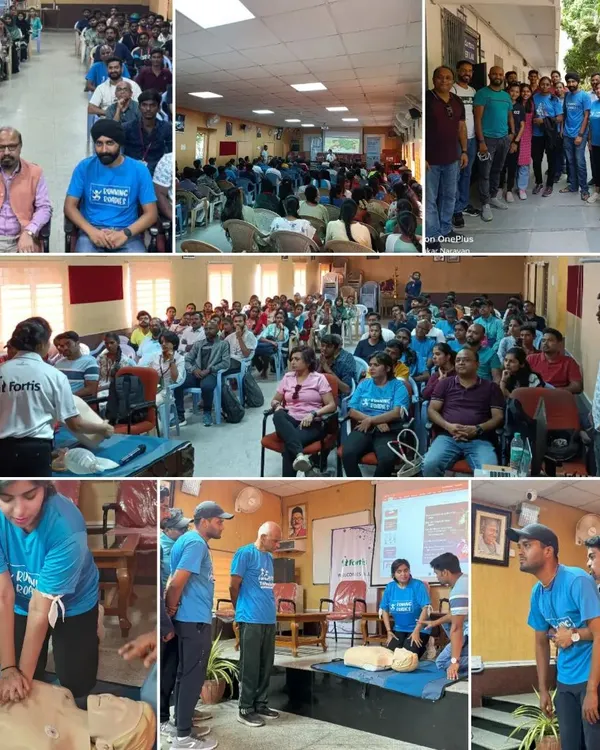
Our team after completing a Basic Life Support (BLS) course with Columbia Asia Hospital. We believe every adventurer should have these life-saving skills.
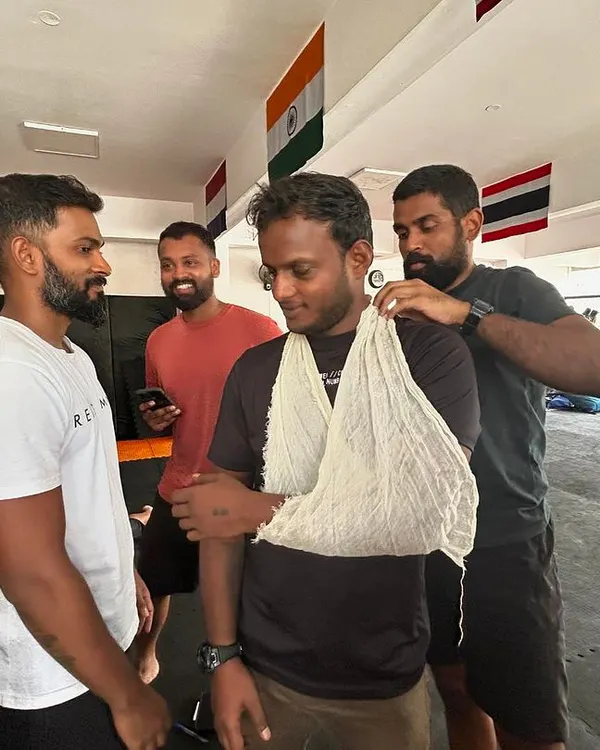
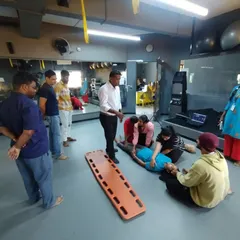
A hands-on session on how to properly splint a fracture. This is a critical skill for managing injuries in a remote environment.
Classroom instruction during our BLS workshop. We learn the theory from certified medical professionals before we practice the hands-on skills.
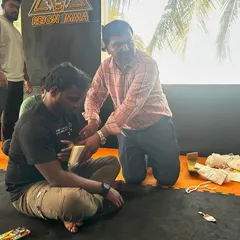
A doctor demonstrates the correct technique for applying a bandage during our first aid training.
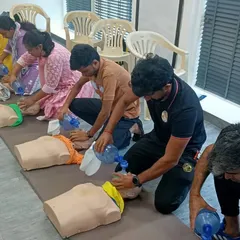
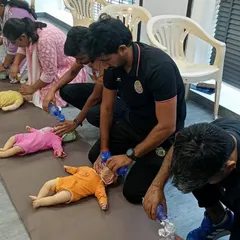
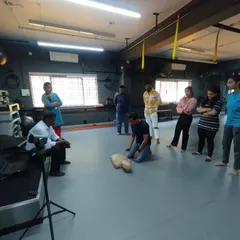
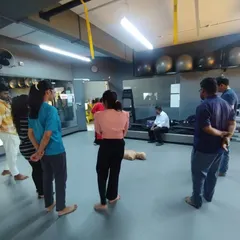
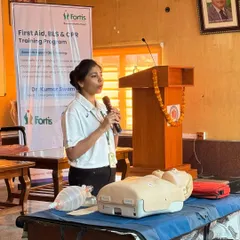
The setup for our BLS training, with adult and infant CPR mannequins ready for practice.
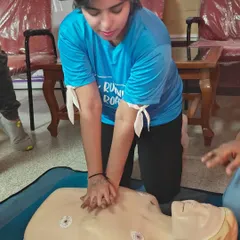
A student practices chest compressions on a CPR mannequin under the watchful eye of fellow participants.
More hands-on practice with bandaging and splinting techniques. Repetition builds muscle memory.
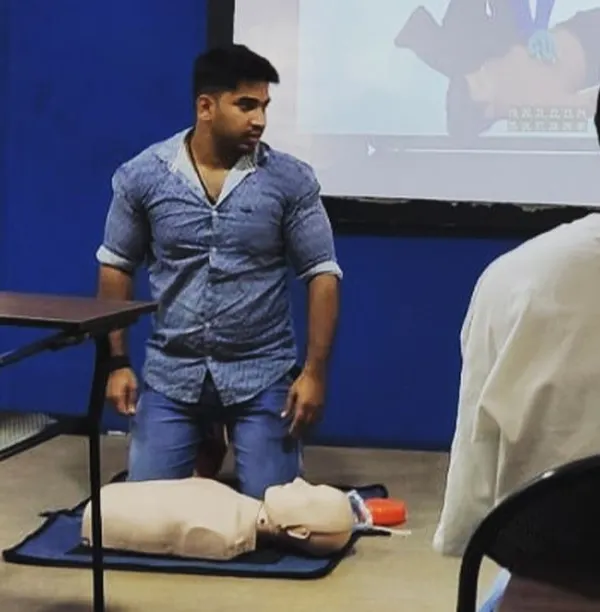
An instructor demonstrates the correct procedure for infant CPR, a specialized and vital skill.
Another angle of a student practicing CPR, showing the focus and seriousness with which we approach this training.
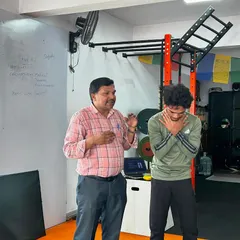
An instructor addresses the class, explaining the principles of emergency response.
About Safety First: Wilderness First Aid & BLS
We do not just lecture on theory. Our workshops are hands-on, simulated environments where you practice CPR on mannequins and learn to splint fractures using the limited gear you would actually carry in a backpack. You will work through realistic trauma scenarios, like managing injuries in remote canyons or caves, because reading a manual does not prepare you for the adrenaline of a real emergency.
The difference between a minor incident and a disaster in the wild is often the first ten minutes. We call it the golden hour. When we take our community into deep gorges or remote caves, we know an ambulance is not coming. That is why we partner with medical experts, like Dr. Nischal and his team from Columbia Asia Hospital, to run rigorous, AHA-compliant BLS courses tailored for outdoor risks.
Why Wilderness First Aid is Different
Standard first aid assumes you have access to 911. Wilderness medicine assumes you are on your own. In our training, you will learn:
- Trauma Management: How to identify and stabilize fractures or dislocations when you are deep in the bush.
- CPR in Remote Settings: Maintaining rhythm and effectiveness while dealing with uneven terrain or confined spaces.
- Patient Assessment: Performing a head-to-toe check to identify injuries that are not immediately obvious.
- Splinting Techniques: Using whatever is at hand—trekking poles, clothing, or rope—to immobilize limbs safely.
We emphasize muscle memory. We repeat the drills until the protocols for bandaging, splinting, and life support are second nature. Whether you are trekking in the Western Ghats or rappelling in Meghalaya, having these skills means you can keep yourself and your team safe until help arrives. This is not just a certification; it is the fundamental knowledge every serious adventurer needs before heading into the wild.
Similar work from other experts
Browse through Curated picks from other experts on mytribe
 7
7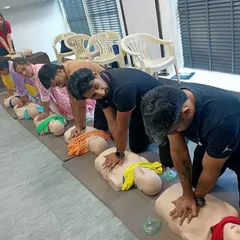
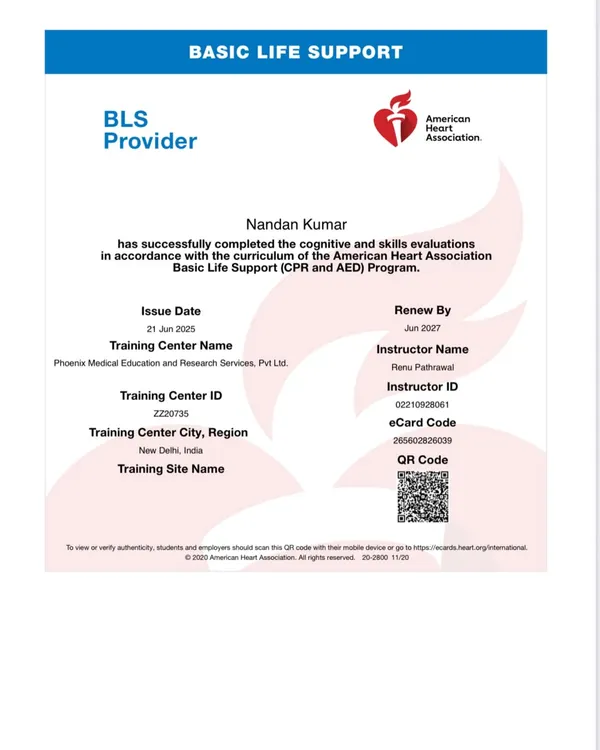
Certified Basic Life Support & Safety Training
 22
22
Our Expert Team and Safety Commitment
 20
20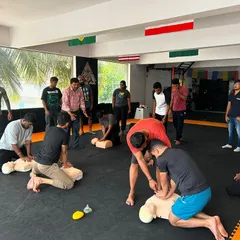
Certified First Aid & Emergency Response Training
Advanced Fitness Workshops and Specializations
 11
11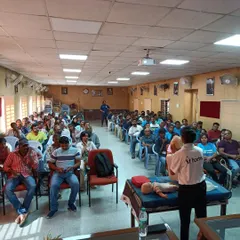
Running Workshops & Safety Training in Bengaluru
 4
4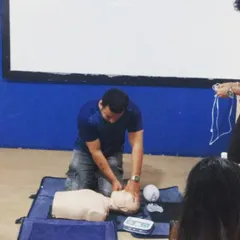
Safety First: CPR & First Aid Certified Training
More from Adventure Skills Training & Courses by Bascool
More services by Bascool