From Sketch to Stain: My Creative Mehendi Process
Mehendi is a story waiting to be told on your skin. Here is a look at my creative process, from the first line to the final stain, and how you can master these techniques in my classes.
The very first step. This image shows the simple, clean outline of a royal elephant inside a jharokha, which is the foundation for the intricate design to come.
The same elephant design, now fully shaded and detailed. You can see the depth and texture created through different filling techniques, a core part of what I teach.
An outline of a peacock within an ornate arch for a baby shower mehendi. This shows the initial sketch for a design that combines both divine and decorative elements.
The first stage of a royal bridal mehendi, with the outline of a palace gate and peacocks. A strong foundation is key to a symmetrical and grand design.
The completed outline of the palace gate from the previous image. Notice the clean lines and balanced composition, which we will practice extensively.
The palace gate design now filled with intricate patterns and shading. This shows the transformation from a simple line drawing to a rich, textured piece of art.
Adding more elements to the design, with the outline of traditional pots (kalash) below the palace scene. This demonstrates how to layer different motifs to build a full story.
The start of another bridal piece, showing an elephant procession below a palace, with the outline for peacocks below. This is how we plan and build complex arm-length designs.
The upper portion of the design is now complete, with the elephants and palace fully detailed. Notice the contrast between the filled and empty spaces.
The final look of this armband, with the peacocks also filled in. This step-by-step progression is exactly how I teach you to approach large-scale mehendi.
About From Sketch to Stain: The Creative Process
I don't just jump into filling patterns. Every design starts with a skeleton—a precise, clean outline of the main motifs like peacocks or palace arches. Once that structure is balanced, I move to layering the filling techniques. If you want to learn this, my classes focus heavily on this foundation because that is the secret to a design that looks professional and clean once it stains.
The difference between a good mehendi design and a great one is in the planning. When I sit down for a bridal booking or prep for a class, I never freestyle without a plan. We start with the 'skeleton'—light, clean lines that map out the composition.
Why the process matters
When you master the outline, you control the final result. Whether it is a complex palace facade or a traditional elephant motif, the geometry dictates how the shading, negative space, and dark fills look later. If your skeleton is off, no amount of intricate filling will save the design.
What we cover in my studio
In my 30-day intensive course in Ghatkopar, we drill these steps repeatedly. We move from:
- Pressure Control: Getting your lines consistent so you don't smudge the sketch.
- Composition: Learning where to place negative space so the design 'breathes'.
- Fillings & Shading: Transforming that simple outline into a rich, textured piece of art.
I treat my students like peers. We practice these steps until it becomes muscle memory. Whether you are aiming for bridal perfection or just want to master the art of storytelling on skin, the logic remains the same. If you are ready to stop copying designs and start creating your own from scratch, my batches are designed to get you there.
Similar work from other experts
Browse through Curated picks from other experts on mytribe
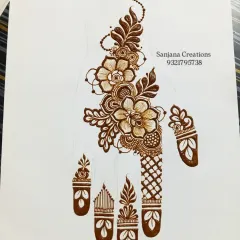
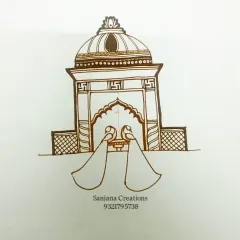
Mehndi Art: My Design Process and Training Classes
Behind the Scenes: My Henna Art Process & Training
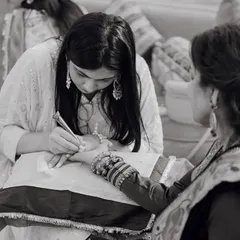
Behind the Scenes of My Mehendi Art
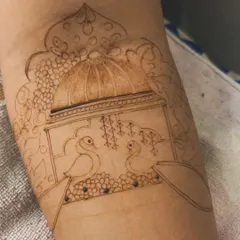
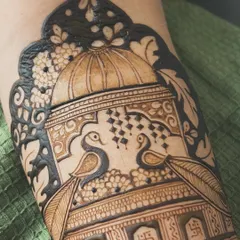
The Art in Progress: Behind the Scenes of My Mehndi
 24
24
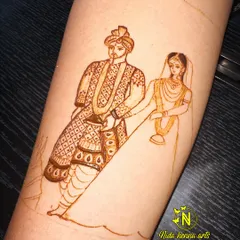
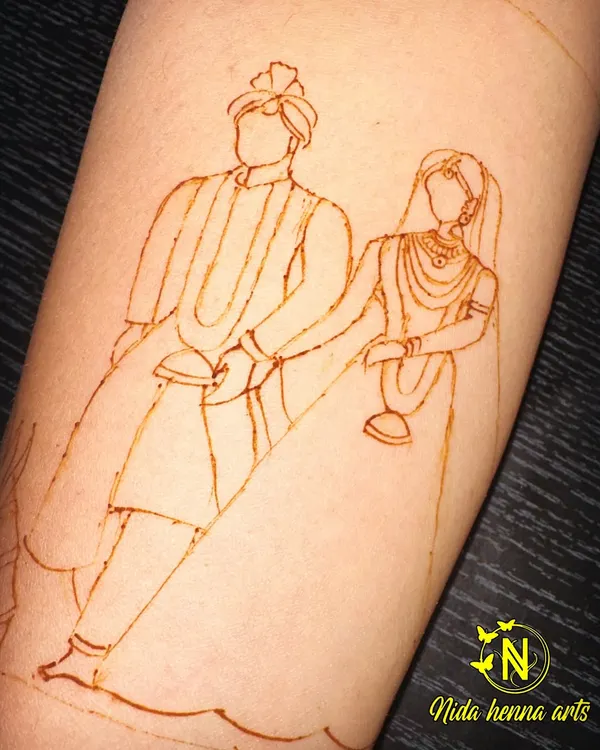
Step-by-Step Figurative Mehandi: From Outline to Final Art
Mehendi Artistry & Professional Training
More from Mehendi Classes by Ayushi Joshi
More services by Ayushi Joshi