Sculptural Concrete and Fluid Architectural Forms
For me, concrete is not just a building material; it is a medium for art. I push its limits to create fluid, monolithic structures that breathe, flow, and respond to the landscape.
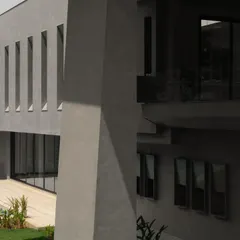
This family home in Haryana is a modern monolith, defined by its striking curves and raw concrete finish. The design is both commodious and cavernous, with the facade coming to life as a massive, sculptural form that commands attention.
Another angle of the monolithic house, showing the interplay between the sweeping concrete arch and the warm wooden elements of the balcony. This juxtaposition of materials and forms is a signature of my design approach.
The house in Haryana is an example of liquid architecture. The entire structure is defined by seamlessly flowing folds of concrete, creating a dynamic volume that appears to be in motion.
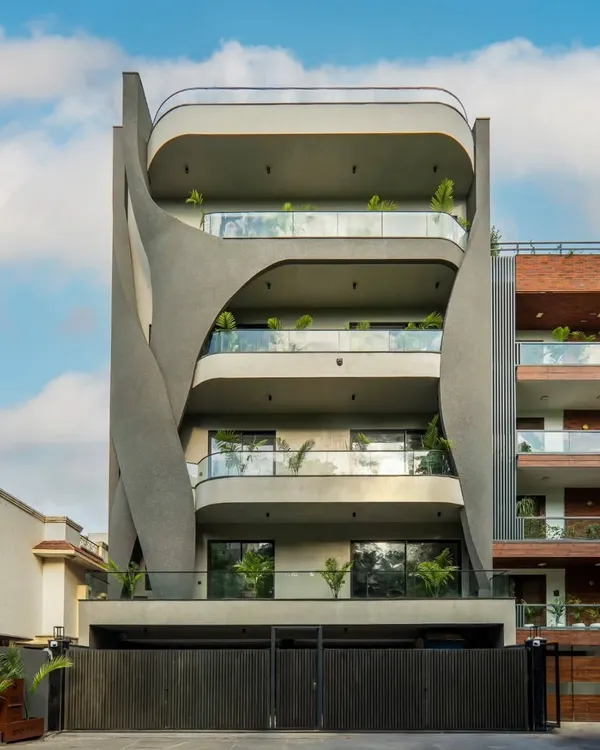
This facade is a composition of cuboid and curvilinear volumes. The juxtaposition of sharp geometric shapes with soft, organic curves creates a visually engaging structure, while open balconies connect the interior to the outdoors.
A detail of the dynamic, multi-level balconies. Each tier is crafted with precision to offer unique perspectives and panoramic views, seamlessly blending the indoor and outdoor living experience.
This video shows my personal involvement during the construction of the Curvilinear House. Regular site visits are crucial to ensure every detail aligns with the vision, allowing me to refine and elevate the project from a good design to an exceptional one.
Inspired by the movement of water, this residence features a waveform facade. This video shows the intricate process of installing the curved metal fins that give the building its mesmerizing, tranquil appearance, like waves meeting the shore.
A look inside a project under construction, revealing the bare structure of a sculptural, curved staircase and ceiling. This shows how true design is not just about creating space, but about creating meaning through form and flow from the very beginning.
A sneak peek of an upcoming cantilevered concrete fluid house. This teaser shows the raw, textured concrete walls with wave-like patterns, hinting at an avant-garde residence that will redefine indoor-outdoor living.
About Sculptural Concrete & Fluid Forms
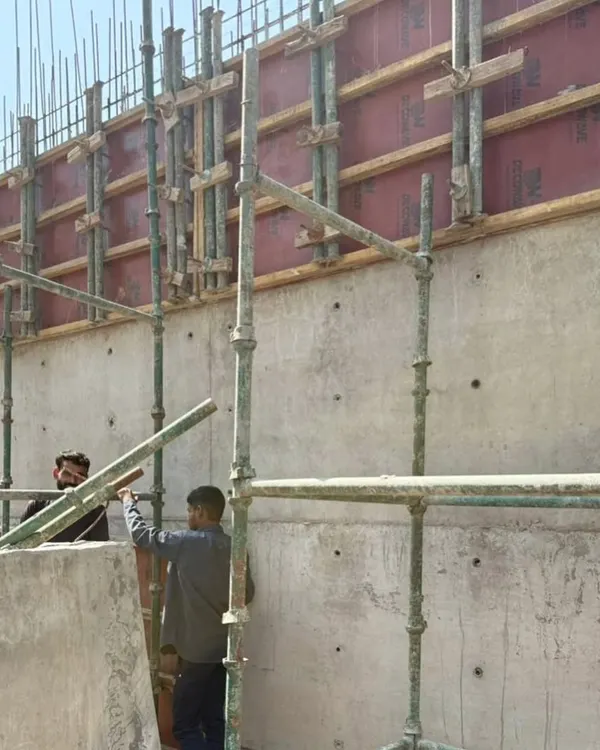
Working with exposed concrete in fluid forms is demanding; it is not just about the design, but the precise craftsmanship behind the formwork. I personally oversee the steel binding and casting phases on-site because that is where the structure truly comes alive. If you are planning a space with these curvilinear shapes, we must coordinate the electrical conduits and plumbing within the concrete slabs right from the start, before the first pour.
The Art of Liquid Architecture
I view architecture as 'Liquid Architecture'—the idea that a building can feel like it is in motion, mirroring the flow of water or the curve of a landscape. In projects like my Haryana residences, the facade is not just a wall; it is a sculptural volume that commands attention. Using exposed concrete allows me to mold these shapes, creating monoliths that age with grace and dignity.
Why Raw Concrete?
People often ask why I prefer exposed concrete over polished, painted surfaces. Simply put, it is honest. It has a timeless beauty that connects us to the earth. When left raw, it captures the changing light throughout the day, creating depth and shadow that no synthetic finish can match. For me, creating this 'Raw Luxury' is about finding 'मन को सुकून' (peace of mind) in simplicity.
Managing Complexity
These fluid, curvilinear facades are complex to build. They require specialized structural drawings for heavy cantilevers and precise shuttering details. Because the structure is often left exposed, there is no room for error. We spend significant time on:
- Formwork Precision: Customizing molds to achieve smooth, wave-like concrete surfaces.
- MEP Integration: Hiding all electrical and plumbing services within the slab, so the visual purity of the concrete remains untouched.
- Site Supervision: My team and I conduct milestone visits to check reinforcement binding, ensuring the geometry we visualize in 3D translates perfectly to the physical site.
Whether you are looking for a standalone pavilion or a large-scale villa, designing in concrete requires a shift in mindset. It is about balancing the rigidity of the material with the softness of the form.
Similar work from other experts
Browse through Curated picks from other experts on mytribe
 8
8
Modern Sculptural Architecture and Exposed Concrete Designs
 18
18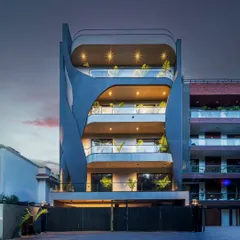
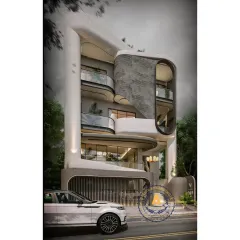
Fluid & Sculptural Facades: Modern Architectural Designs
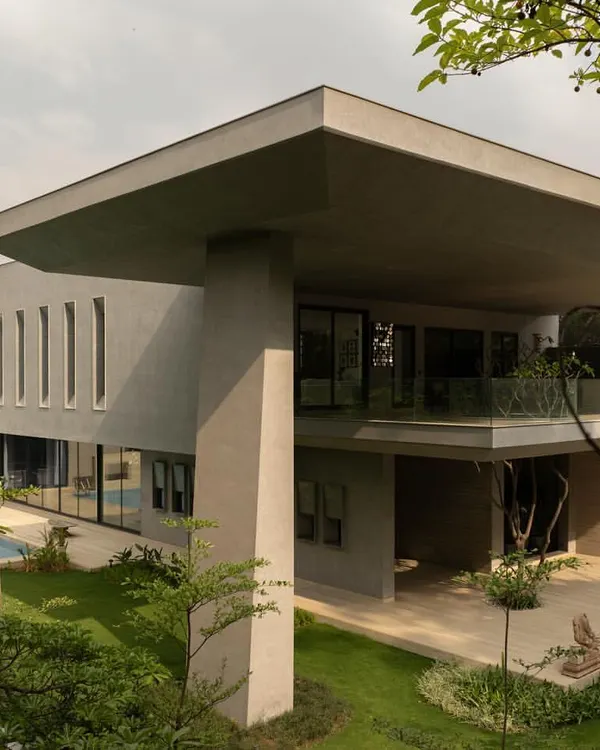 40
40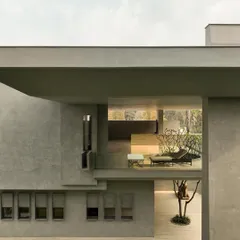
Sculptural Architecture: A Study in Concrete
 12
12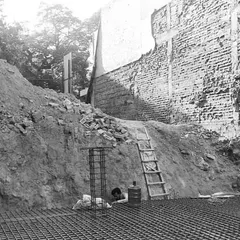
Our Architectural Construction and Materiality Process
 18
18
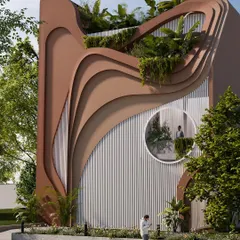
Architectural Visions by Design Doodle
 28
28

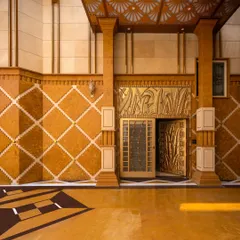
Reimagining Materials and Architectural Form
More from Luxury & Boutique Hospitality Design by Arun Sharma
More services by Arun Sharma