Injury Prevention and Sports Rehabilitation
We bridge the gap between being pain-free and game-ready. Our protocols use biomechanical data and sport-specific training to address the root cause of injuries.
Return to sport should be earned, not just based on a timeline. Our criteria are objective: strength tests, functional performance, confidence in movement, and the ability to meet sport demands. We ensure you are fully prepared, not just pain-free.
We are thrilled to introduce Dr. Gazal Sagar, our dedicated Sports Physiotherapist. With her expertise, we are a one-stop hub for physiotherapy and strength and conditioning, helping athletes recover from injury, rebuild their strength, and return to peak performance.
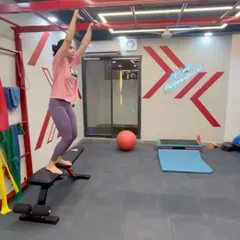
A look into our mid-to-late stage ACL rehabilitation. We use exercises like single-leg hip thrusts for glute strength and loaded hurdle walks to enhance balance, proprioception, and reactive stability. The unstable load provides an active neuromuscular challenge to prepare the knee for sport.
Wrist strength is crucial for grip, stability, and force transfer in many sports. This video demonstrates a wrist rehabilitation exercise using a dumbbell and resistance band to build strength and control, helping athletes recover from injury and prevent future issues.
Ankle injuries are common, but they don't have to be. At Athletes Lab, we provide the perfect blend of performance training and expert physiotherapy to help you bounce back stronger. Follow us for tips on how to prevent injuries before they happen.
Your core is more than just abs; it's a system for transferring force and preventing injury. We train the five functional core pillars: anti-extension, anti-rotation, anti-lateral flexion, hip flexion, and trunk stability. This is how you build a core that carries over to sport.
Train your core like an athlete. These four exercises go beyond basic crunches to challenge your core strength, stability, and full-body control. They involve pulling, rotating, and stabilizing, demanding total engagement for maximum results and a bulletproof core.
Advanced core work for cricketers. These Swiss ball drills challenge stability, balance, and control, which are key for powerful batting, a stable bowling action, and reactive fielding. If you've mastered the basics, it's time to level up.
This exercise, the offset kettlebell carry, is excellent for improving lateral core stability. Training anti-lateral flexion is critical for athletes as it enhances balance, improves force transfer, and reduces the risk of lower back injuries during side-to-side movements.
Here we show the progression from a beginner to an advanced core exercise. A strong core is the powerhouse of every athletic movement. Building stability and strength through progressive overload is key to unlocking peak performance and preventing injury.
About Injury Prevention & Rehabilitation
Rehab at Athletes Lab is not based on a calendar, it is based on data. We use industrial force plates to measure your landing mechanics and left-right limb asymmetry, ensuring you do not return to the field until you have actually earned it. You will know exactly where your movement quality stands—and where your weaknesses persist—before you ever attempt to return to full-contact sport.
The Return to Sport Standard
Most injuries do not recur because of bad surgery, but because the rehabilitation process stops too early. We believe that 'pain-free' is just a milestone, not the finish line. Our Return to Sport criteria are objective: functional performance metrics, strength symmetry, and confidence in movement.
Integrated Physio & S&C
Working with our Sports Physiotherapist, Dr. Gazal Sagar, we bridge the gap between clinical physiotherapy and high-performance strength and conditioning. We don't just treat the site of pain; we analyze the entire kinetic chain. If you are rehabbing a knee, we check your ankle mobility and hip stability. If you are a fast bowler with shoulder fatigue, we look at your scapular control and thoracic mobility.
Our Methodology
- Diagnostic Audit: We utilize industrial-grade force decks to assess your Countermovement Jump (CMJ) and Reactive Strength Index (RSI). This data dictates our intervention.
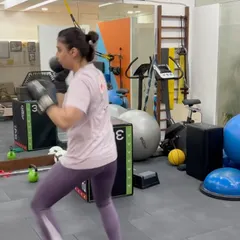
- Controlled Chaos: We use tools like unstable loads (kettlebells) and reactive lights (Blazepods) to build stability under chaos. This prepares your nervous system for the unpredictable nature of sport.
- Progressive Loading: Whether it is mid-to-late stage ACL rehabilitation or wrist stability for racquet sports, we use progressive overload to rebuild tissue resilience, not just temporary comfort.
We train the system, not just the muscles. Whether you are an IPL professional or a youth athlete, our goal is to build a body that can handle the specific demands of your game.
Similar work from other experts
Browse through Curated picks from other experts on mytribe
Athlete Recovery & Peak Performance Programs
Injury Prevention & Recovery
Strength and Conditioning for Peak Athletic Performance
Injury Rehabilitation & Pain-Free Strength
Return to Sport: Athlete Success Stories & Injury Recovery
Injury Prevention and Smart Recovery Coaching
More from Strength and Conditioning Training by Athletes Lab
More services by Athletes Lab