Expert Skincare Advice for Healthy Results
Real skin health is not about expensive trends or social media hacks. I share science-backed advice on daily care, sun protection, and debunking common myths so you can make informed choices.
This graphic answers a common question: Is sunscreen safe for oily or acne prone skin? The answer is yes, provided you use a gel based, non comedogenic formula.
An infographic explaining why DIY skincare often fails, especially in the summer. Home remedies are not skin type specific and can lead to irritation, burns, and worsened acne.
A list of common summer skincare mistakes to avoid. Using heavy creams, skipping sunscreen, and over exfoliating can damage your skin in the heat.
This guide shows you how to avoid sunburn and heat rash. Key steps include using SPF daily, staying shaded during peak sun hours, and wearing breathable cotton fabrics.
A reminder poll about reapplying sunscreen. For effective protection against sun damage and premature aging, you should reapply your SPF every 2 to 3 hours.
A crucial tip: don't skip sunscreen even when you are indoors. UV rays can penetrate windows and cause skin damage, so it's important to stay protected.
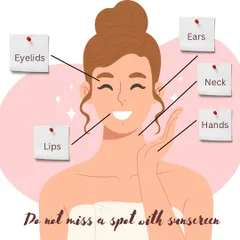
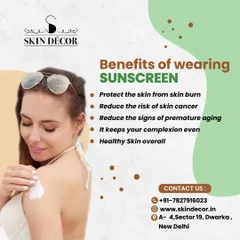
Celebrating National Sunscreen Day with a reminder to apply sunscreen correctly. Always choose a broad spectrum SPF 30 or higher and reapply it regularly.
Here are five essential steps for a perfect summer skincare routine. This includes gentle cleansing, using a lightweight moisturizer, and applying daily SPF.
This graphic provides simple tips on how to keep your skin cool and hydrated during hot weather. Drinking enough water and using cooling facials can make a big difference.
A poll asking about the most common summer skin issues. Whether it's breakouts, sunburn, or dullness, I offer expert solutions for all these concerns.
About Expert Skincare Advice
Using sunscreen on oily or acne-prone skin often leads to hesitation. The reality is that skipping it causes more damage—acne marks, pigmentation, and premature ageing. I always recommend non-comedogenic, gel-based formulas that protect your barrier without clogging pores.
Why Science-Backed Care Matters
There is no such thing as a miraculous cure for your skin. Most common skin issues like acne, pigmentation, or dullness stem from identifiable causes—hormonal shifts, stress, or the cumulative damage of incorrect product usage. My role as an MD dermatologist is to move you away from trial-and-error routines and toward a plan that actually addresses your specific skin biology.
Sunscreen is Non-Negotiable
One of the most frequent mistakes I see is patients skipping sunscreen because they stay indoors or find it greasy. UV rays penetrate glass, and visible light from screens can induce pigmentation. For the best protection, look for a broad-spectrum SPF 30 or higher. If you have oily skin, choose a lightweight, gel-based, non-comedogenic formula. Reapply every 2 to 3 hours to maintain efficacy.
The Danger of DIY Skincare
Summer heat often leads people to experiment with home remedies like lemon, harsh scrubs, or heavy kitchen ingredients. These DIY experiments rarely account for your specific skin type and often lead to irritation, chemical burns, or worsened breakouts. Professional diagnosis is the only way to treat active acne or severe pigmentation safely.
Your Evening Routine
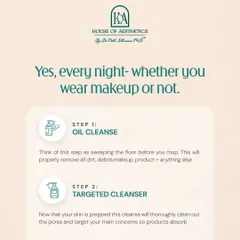
If you wear makeup or sunscreen, a single face wash is rarely enough to remove impurities. I recommend the double-cleansing method: first, use an oil-based cleanser or micellar water to break down sebum and product buildup, followed by a water-based cleanser to deep clean your pores.
Screen Time and Skin
Modern life involves significant blue light exposure from digital screens. This light can stimulate melanin production and contribute to hyperpigmentation. Beyond limiting screen time, ensure your sunscreen contains filters against visible light to give your skin a complete shield.
Similar work from other experts
Browse through Curated picks from other experts on mytribe

Essential Skincare Advice for Healthy Skin

Expert Guide to Healthy Skin

Skincare Education & Professional Tips
 18
18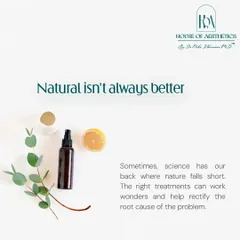

Skincare 101: Expert Tips & Myth-Busting for Healthy Skin

Expert Skincare Advice & Dermatology Myths Debunked

Skincare Myths & Expert Advice: A Science-Backed Guide
More from Aesthetic Dermatology by SkinFine Clinic
More services by SkinFine Clinic