Why Daily Sun Protection is Essential for Healthy Skin
Sunscreen is the single most critical step in preventing premature aging and maintaining skin health. Understanding how to choose and apply the right formula can transform your daily routine and protect your skin against long-term damage.
This visual summarizes the four key reasons to use sunscreen daily: it maintains an even skin tone, lowers cancer risk, prevents premature aging, and protects from UV rays.
A stark reminder: UV rays are the leading cause of skin cancer. This is why non-negotiable, daily sun protection is a cornerstone of my medical advice.
Not all sunscreens are created equal. Understanding what to look for, such as broad-spectrum coverage and an appropriate SPF, is crucial for effective protection.
Always choose a broad-spectrum sunscreen. This ensures you are protected from both UVA rays, which cause aging, and UVB rays, which cause burning and increase cancer risk.
This diagram illustrates how different sunscreens work. Chemical sunscreens absorb UV rays and convert them to heat, while physical sunscreens create a barrier that reflects UV rays.
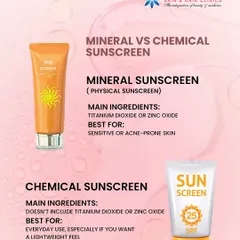
A comparison chart detailing the differences between chemical and physical sunscreens, covering texture, application, and mechanism. For sensitive skin, I often recommend physical formulas.
Sunscreen recommendations should be tailored to your lifestyle. If you are mostly indoors, an SPF 30 with blue light protection may suffice, while outdoor activity requires a higher, water-resistant SPF.
Your skin concerns also dictate the best sunscreen choice. Tinted sunscreens are excellent for pigmentation-prone skin, while mineral sunscreens are best for sensitive types.
It is a dangerous myth that melanin-rich skin does not need sun protection. All skin tones are susceptible to sun damage and skin cancer, making daily sunscreen use essential for everyone.
UV rays can penetrate clouds and windows, meaning you are exposed even on overcast days or while indoors near sunlight. Never skip sunscreen.
About Sun Protection: Your Daily Essential
Choosing between physical and chemical sunscreens often depends on your skin's specific sensitivity. Physical formulas use zinc oxide or titanium dioxide to reflect UV rays, making them a frequent recommendation for those prone to irritation or melasma. Chemical formulas contain compounds that absorb UV radiation and convert it to heat, which often provides a more cosmetically elegant, lightweight feel for daily wear. Your choice should align with your lifestyle, skin type, and specific concerns like pigmentation or acne.
The Science of Sun Exposure
Ultraviolet (UV) radiation is present every day, even when it is cloudy or when you are indoors near windows. UVA rays penetrate deep into the dermis, causing long-term damage such as wrinkles, loss of elasticity, and DNA changes. UVB rays are primarily responsible for surface-level damage and sunburn. Protecting your skin is not a seasonal task; it is a year-round requirement for maintaining skin integrity.
Physical vs. Chemical Formulations
- Physical (Mineral) Sunscreens: These sit on the skin to act as a shield. They are ideal for patients with sensitive skin, rosacea, or post-procedure recovery because they are less likely to cause allergic reactions.
- Chemical Sunscreens: These formulations work by converting UV rays into heat. They are often preferred for their lack of a white cast and their ability to blend seamlessly, which encourages consistent daily use.
Addressing Common Myths
Many patients believe that melanin-rich skin does not require protection. This is incorrect. While darker skin tones have more natural protection, they are still susceptible to DNA damage, skin cancer, and exacerbation of hyperpigmentation. Furthermore, indoor environments are not safe havens; HEV (High Energy Visible) light from screens and sunlight through glass can trigger or worsen pigmentation issues.
Practical Application Guidelines
For daily use in Delhi, an SPF 30 is generally sufficient for standard activity. If you spend significant time outdoors, choose a higher SPF and ensure you are applying enough product. A common mistake is under-application; you need approximately two fingers' length of product to adequately cover your face and neck. Reapply every two hours if you are outdoors to maintain the efficacy of your protection.
Similar work from other experts
Browse through Curated picks from other experts on mytribe
Sunscreen is Non-Negotiable: The Truth About Daily Protection
 7
7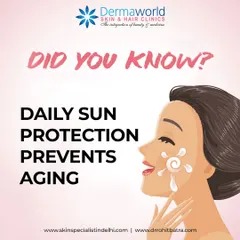

Sunscreen 101: Simple Steps for Real Protection

Sun Protection Simplified: A Dermatologist's Daily Guide



Sun Protection Essentials for Indian Skin
Sunscreen School: Expert Guide for Indian Skin
Sunscreen School: Your Daily Defense Against Sun Damage
More from Dermatology Consultation by Ankita Pant