Understanding Hair Loss: A Science-Based Guide
Hair loss is a medical condition, not a cosmetic concern. I strip away the myths about quick fixes and focus on the science of hair growth, so you can understand your options and make a decision based on facts, not marketing.
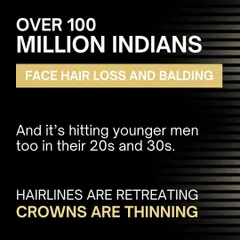
This graphic introduces the science behind balding. Understanding your hair growth cycle and the factors that disrupt it is the first step toward finding an effective solution.
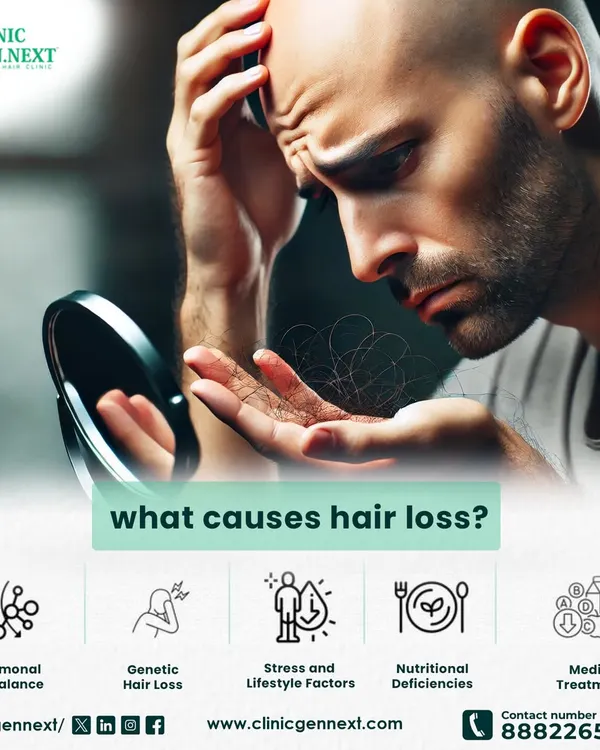
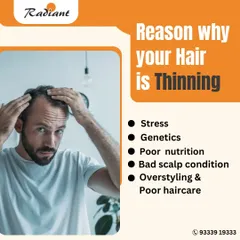
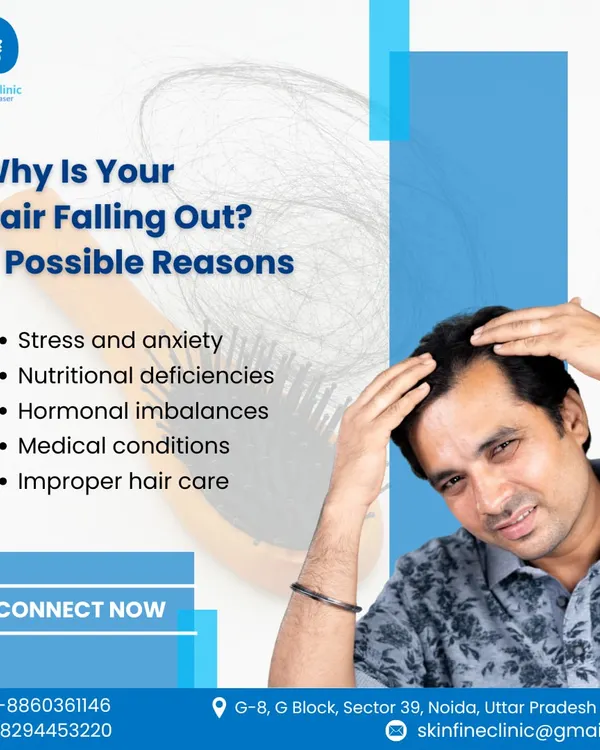
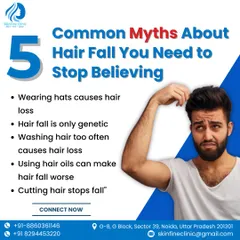
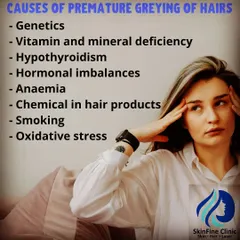
Why does balding happen? It's often a mix of genetics, hormonal imbalances like DHT sensitivity, and lifestyle factors. When the hair growth cycle shortens and follicles shrink, bald spots appear.
Can hair regrow naturally? Yes, but only if the follicles are still active. Once they shrink permanently, medical treatments like Minoxidil, PRP, or a hair transplant are the only proven options for regrowth.
How do hair transplants restore hair? The procedure involves moving healthy, DHT-resistant hair follicles from the back of the scalp to the balding areas. This provides a permanent, natural-looking solution.
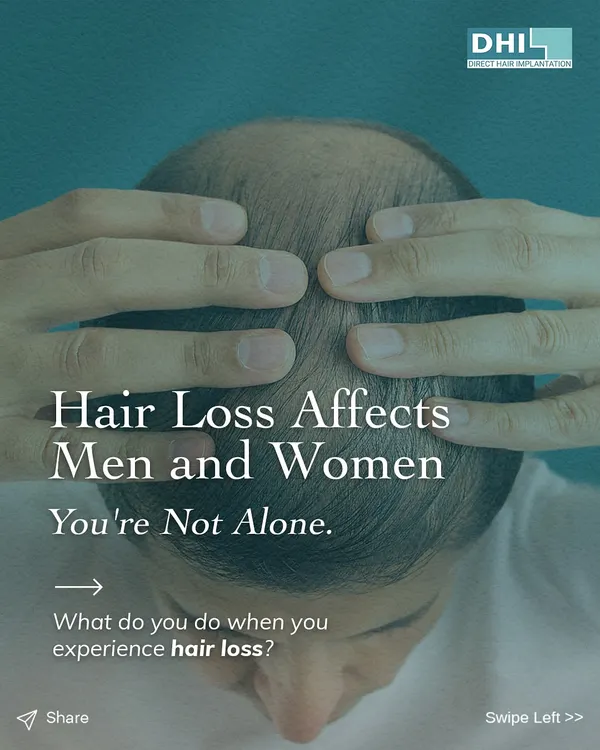
Don't worry, there is hope. Early intervention with medication can slow hair loss, and a hair transplant provides a permanent solution for bald areas. The key is to consult a specialist to find the right path for you.
Many people ask if summer is a bad time for a transplant. The fact is, the season has no role in the outcome. Proper post-operative care, like avoiding direct sun and keeping grafts hydrated, is what truly matters for healing and regrowth.
About Understanding Hair Loss
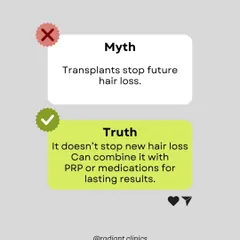
A hair transplant is a permanent mechanical fix, but it doesn't stop your existing hair from continuing to thin elsewhere. That’s why I insist on a proper diagnosis before any surgery—we need to identify if your loss is hormonal, stress-related, or genetic, and pair your transplant with long-term medication to protect your remaining density.
Why Diagnosis Comes First
Many patients come to me having tried oils, secret serums, or instant cures that simply do not work. The reality is that hair loss often stems from deep-rooted issues, like genetics, DHT sensitivity, or lifestyle stress. Unless we identify the trigger, any treatment will be temporary at best.
The Science of Restoration
When we do move forward with a transplant, I utilize the Real-Time FUE (Follicular Unit Extraction) technique. This method allows me to transplant individual, healthy follicles into thinning areas. By keeping the grafts outside the body for the shortest time possible, we ensure higher survival rates and more natural-looking growth.
Realistic Expectations
I am always upfront about the timeline. After a procedure, you will see initial shedding, followed by growth starting around the 3-4 month mark. Full results take up to 12 months. My goal is not just to perform a surgery, but to manage your expectations and ensure you know exactly how to care for your scalp post-op.
Choosing Your Path
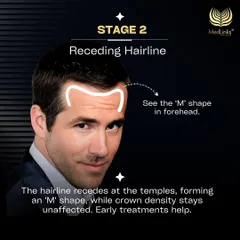
Whether you are dealing with early-stage temple recession or advanced scalp thinning, the approach must be customized. I do not believe in one-size-fits-all packages. During our consultation in Delhi or Bhubaneswar, we will analyze your donor area and health history to determine if a transplant is the best route, or if non-surgical treatments like PRP or medication will serve you better in the long run.
Similar work from other experts
Browse through Curated picks from other experts on mytribe
 22
22


Understanding Hair Loss: The Science Behind Your Scalp Health
 5
5

Understanding Hair Loss: Causes, Solutions, and Expert Care

Understanding Hair Loss: Expert Guidance on Causes & Care
 4
4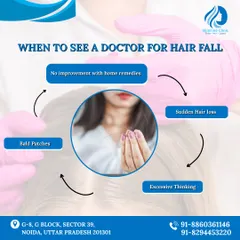
Understanding Hair Loss: Causes and Real Treatments
Finding the Root Cause of Hair Loss
 17
17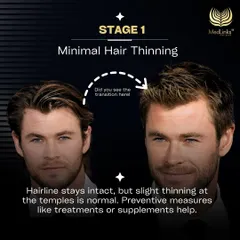
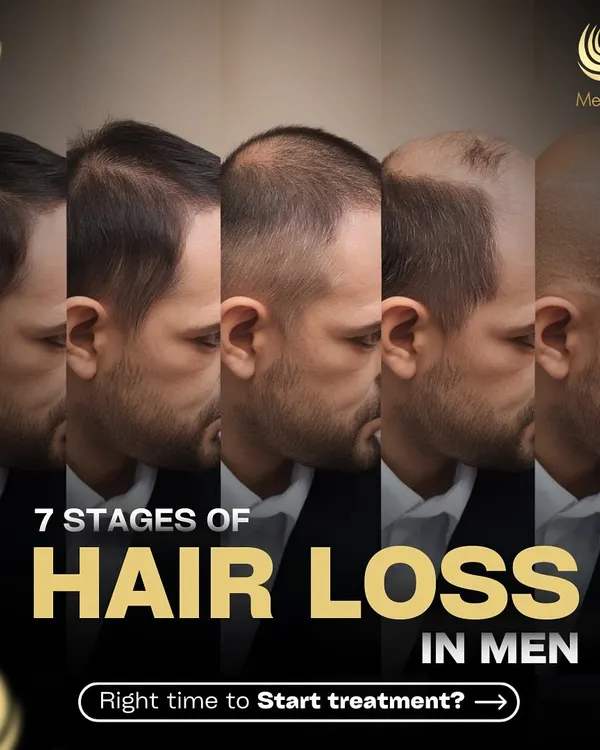
Understanding Hair Loss: Stages, Causes, and Solutions
More from FUE Hair Transplant by AllôRoots
More services by AllôRoots