My Method: The Science of Hair Restoration
Hair restoration is not a factory-made process. It is a precise medical procedure that balances surgical science with individual aesthetics. Here is how I plan and perform my FUE transplants.
Hair loss treatment is not one-size-fits-all. I explain how I diagnose the root cause, whether it's hormonal for men or nutritional for women, and then create a customized, science-backed treatment plan that may involve medication, PRP, or a transplant.
Patients often ask if they should get a hair transplant or a non-surgical hair patch. I break down the pros and cons of each, explaining why a transplant is a natural, permanent solution, while a patch has maintenance issues and can even accelerate baldness.
Patients often ask if they should get a hair transplant or a non-surgical hair patch. I break down the pros and cons of each, explaining why a transplant is a natural, permanent solution, while a patch has maintenance issues and can even accelerate baldness.
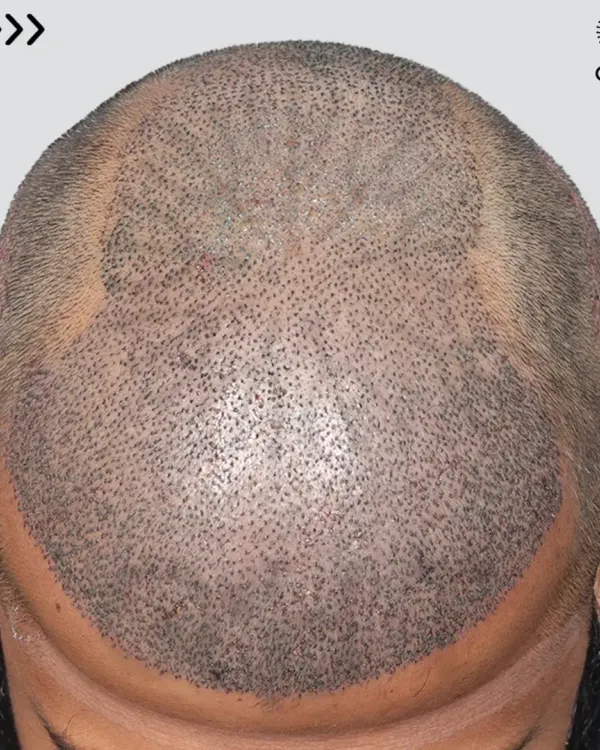
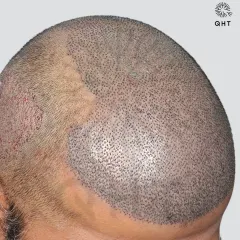
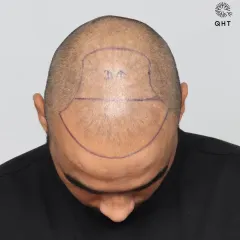
Advanced baldness (Grade 6-7) requires a strategic approach. I explain my preference for a two-sitting procedure to manage the donor area effectively, covering the front first and the crown later. This case study shows the successful first stage of such a plan.
Advanced baldness (Grade 6-7) requires a strategic approach. I explain my preference for a two-sitting procedure to manage the donor area effectively, covering the front first and the crown later. This case study shows the successful first stage of such a plan.
Advanced baldness (Grade 6-7) requires a strategic approach. I explain my preference for a two-sitting procedure to manage the donor area effectively, covering the front first and the crown later. This case study shows the successful first stage of such a plan.
What is the right age for a hair transplant? I discuss the factors to consider for younger patients, including managing expectations, the importance of medication, and my conservative approach to preserve the donor area for the future.
What is the right age for a hair transplant? I discuss the factors to consider for younger patients, including managing expectations, the importance of medication, and my conservative approach to preserve the donor area for the future.
What is the right age for a hair transplant? I discuss the factors to consider for younger patients, including managing expectations, the importance of medication, and my conservative approach to preserve the donor area for the future.
Many patients worry about "shock loss" after a transplant. I explain that this temporary shedding of existing hair is a normal reaction to the procedure and discuss how I use techniques like PRP and recommend post-op care to minimize it and ensure recovery.
About My Method: The Science of Hair Restoration
I personally manage every critical step of your procedure, from mapping the hairline to creating each incision. I prioritize a 'Real-Time FUE' technique, which means your grafts are implanted immediately after extraction. By keeping the grafts outside the body for the shortest time possible, I ensure they remain vital, healthy, and have the highest possible survival rate.
My Approach to Hair Restoration
A hair transplant is not about covering baldness; it is about architectural design and donor management. My method relies on several non-negotiable principles.
1. Real-Time FUE for Graft Survival
Most clinics batch-collect grafts in a tray, which can lead to dehydration and cell death. My technique is different. I perform extraction and implantation simultaneously (Real-Time FUE). The moment a follicle is extracted, it is placed in the recipient site. This minimizes the time follicles spend outside the scalp, dramatically increasing the survival rate of the transplanted hair.
2. Artistic Hairline Mapping
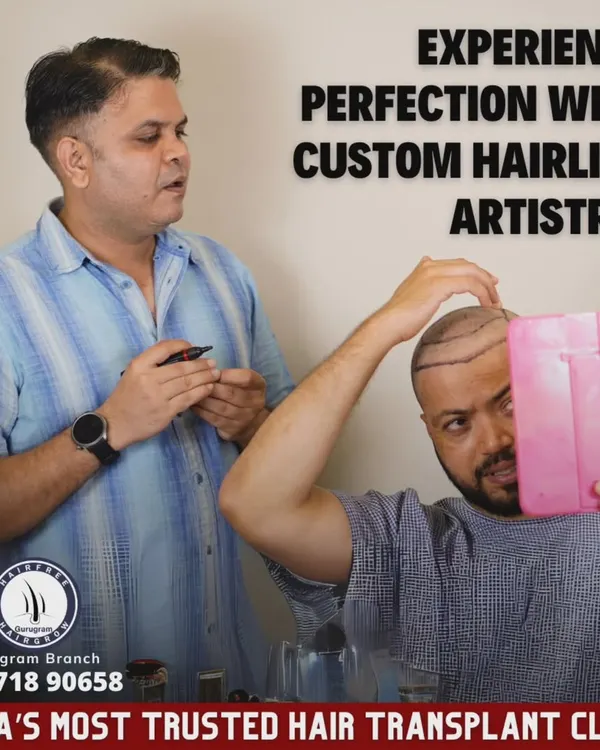
I do not use cookie-cutter templates. A natural hairline is never a straight line; it is a soft, irregular transition zone. I use laser mapping to create these subtle zigzags, ensuring your new hairline looks exactly like the one you had before. My focus is on achieving a density that blends seamlessly with your existing hair.
3. Strategic Donor Management
Your donor area (the back of your head) is a limited bank. In younger patients or those with advanced baldness, I avoid 'mega-sessions' that exhaust this resource in one go. I prefer a conservative, staged approach to preserve your donor supply for any future needs, keeping your long-term aesthetic goals in mind.
4. The Role of Medication
Surgery treats the baldness, but medication manages the underlying condition. Without ongoing care, your original, non-transplanted hair will continue to thin due to DHT. I tailor a post-operative medication plan for every patient, not just to protect the new grafts, but to maintain the density of your remaining hair. This ensures your results look as good in ten years as they do in one.
Similar work from other experts
Browse through Curated picks from other experts on mytribe
 105
105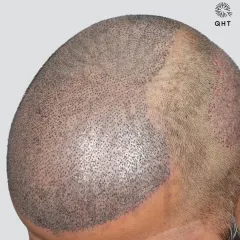
The Art and Science of Hair Restoration
My FUE Hair Transplant Technique: The Art & Science
 18
18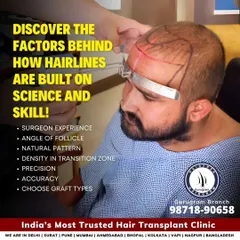

Hair Restoration: The Art and Science of Natural Results
FUE Hair Transplant for Permanent, Natural Results
 6
6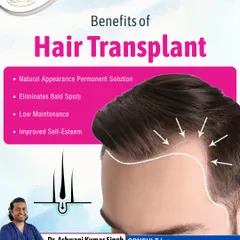
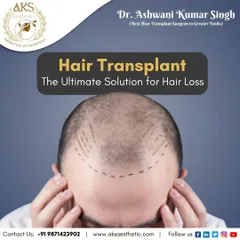
Hair Transplant (FUE) Surgery in Greater Noida
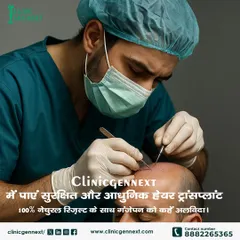
Understanding Our Advanced Hair Transplant Process
More from FUE Hair Transplant by AllôRoots
More services by AllôRoots