Nutrition Science, Simplified: Practical Facts for Weight Loss
Stop guessing about your diet. I break down the science of everyday foods and debunk popular health myths so you can make choices that actually work for you.
Many people believe dal and rice make a complete protein meal, but this is a myth that contributes to protein deficiency in India. Dal is high in carbs with only moderate protein, and rice is almost entirely carbs, leaving a significant protein gap.
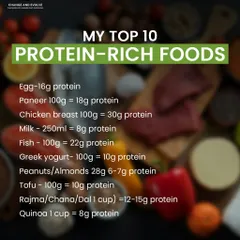
For vegetarians looking to fix their protein gap, I recommend adding paneer 3-4 times a week and including curd, milk, or buttermilk daily. Greek yogurt or paneer cubes also make excellent high-protein snacks to supplement your main meals.
Non-vegetarians can boost their protein intake with daily eggs and chicken, fish, or prawns 2-3 times a week. However, it's still important to include paneer and curd and not rely on meat alone. If budget allows, whey or plant protein powders are a convenient option.
What exactly is whey protein? It's the liquid separated from milk during cheese-making, which is then filtered and dried. The result is a high-quality, fast-digesting protein powder rich in essential amino acids, making it excellent for recovery and meeting protein goals.
Let's compare Sattu and Whey Protein. Sattu is roasted Bengal gram flour, known for being nutritious and high in fiber. Whey protein is a milk-derived complete protein, rich in essential amino acids and ideal for muscle recovery.
When it comes to protein quality, whey is the gold standard for muscle recovery because it's a complete, leucine-rich protein. Sattu is an incomplete protein and is carbohydrate-dominant, making it a good snack but not a direct substitute for whey.
Yogurt is made by fermenting milk with specific bacterial strains, resulting in a consistent probiotic content. Its protein content is similar to curd, at around 3-4 grams per 100g, and it has a mildly tangy, creamier texture.
Greek yogurt is yogurt that has been strained to remove whey, which concentrates its protein content to 8-10 grams per 100g. It's lower in carbs and sugar, making it very filling, and is often a good choice for people with lactose intolerance.
Many people think frozen vegetables are bad, believing the freezing process "kills" nutrients or that they are packed with preservatives. Let's look at what really happens and bust this common food myth.
The process behind frozen vegetables is simple. They are harvested at peak ripeness when nutrients are highest, blanched quickly to stop enzyme action, and then flash-frozen to lock in freshness. It's a clean and quick process.
About Nutrition Science, Simplified
Most people believe a simple bowl of dal and rice is a complete protein meal, but it is actually a carb-heavy dish that leaves a significant protein gap. I work with my mentees to identify these nutritional blind spots and fill them with practical household staples, like paneer, eggs, or curd, so you can hit your protein goals without needing expensive supplements.
Marketing trends often confuse us about what healthy really means. You do not need expensive detox juices to help your liver and kidneys function, and adding ghee to your coffee will not magically supercharge your metabolism. Real nutrition is about consistent, evidence-based choices that fit into your actual day.
Busting Common Nutrition Myths
Many popular health trends are simply misdirection. For instance, while vegetable juices are marketed as detoxifiers, they often strip away essential fiber and expose you to potential contaminants. Similarly, frozen vegetables are often criticized as unhealthy, yet they are harvested at peak ripeness and flash-frozen, preserving more nutrients than some fresh produce that sits on a shelf for days.
Understanding Your Protein Needs
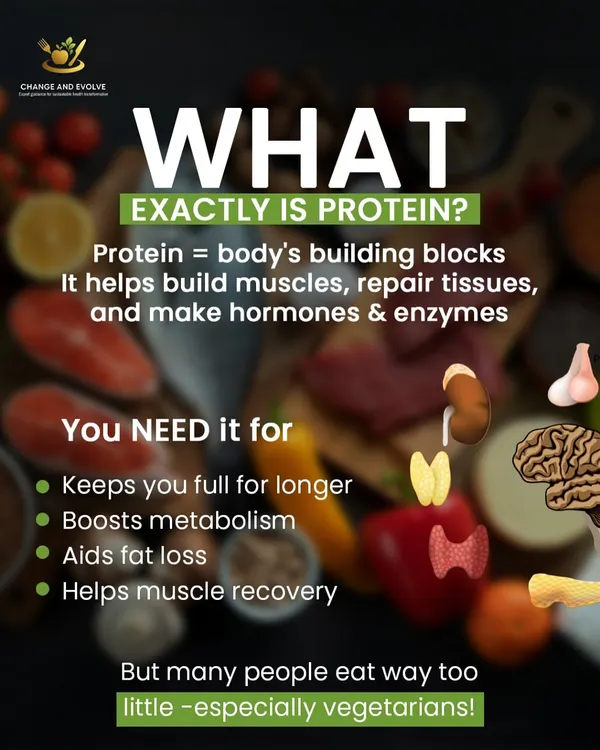
Protein is the building block of recovery, yet it is the most misunderstood macronutrient in the Indian diet.
- Vegetarian Sources: Reliance on dal and rice is common but insufficient. Adding paneer, Greek yogurt, or buttermilk ensures a more complete amino acid profile.
- Whey vs. Sattu: Sattu is a great traditional snack, but it is carb-dominant. Whey protein is a complete, fast-digesting protein that is the gold standard for muscle recovery and fat loss support.
Practical Tools for Your Kitchen
Small changes in how you cook can yield big results. For example, using an air fryer allows you to achieve the texture of fried foods with minimal oil, which is a major win for calorie management. My goal is to teach you how to construct your own meals based on these facts, moving you away from rigid charts and toward a sustainable way of eating that you can maintain for life.
Similar work from other experts
Browse through Curated picks from other experts on mytribe
Nutrition Myth-Busting & Practical Fitness Facts
Nutrition Facts & Myth Busting: Evidence-Based Clarity
Know Your Food: Science-Backed Nutrition & Simple Hacks
 99
99
Nutrition Science Simplified: Practical Tips for Your Daily Diet
The Science of Healthy Eating: Practical Nutrition Tips
Nutrition Without The Nonsense
More from Postpartum Fitness & Recovery Coaching by Aksshaye S Shetty
More services by Aksshaye S Shetty