Bail aur Court ki Prakriya: Aapke Rights Kya Hain
Court cases can feel overwhelming, but you do not need to feel helpless. Understanding the basic procedures is your first step to regaining control. I simplify these legal concepts so you know exactly how to handle situations involving police or court proceedings.
Kya Police Bhi Bail De Sakti Hai? Yes, the police can grant bail in some cases. I explain the difference between bailable and non-bailable offenses. For minor offenses, you can get bail directly from the police station as a matter of right.
Death Hone Par Court Case Ka Kya Hota Hai? I clarify what happens to a court case when the person involved dies. In criminal cases, the case usually ends, but in civil cases like property disputes, the liability can transfer to the legal heirs.
About Bail aur Court ki Prakriya
Many people panic the moment they hear about a police complaint or a court notice. The most important thing to determine immediately is whether your case involves a bailable or non-bailable offense. In a bailable offense, you have a right to get bail directly from the police station, and the officer cannot refuse it. If you are ever detained, check this legal classification first before assuming you need a long, drawn-out court process.
Understanding Your Legal Position
Legal processes are designed to be complex, which is why people often feel intimidated. Whether you are dealing with a routine police matter or a complex court dispute, the fear comes from the unknown. My aim is to strip away the confusion so you can act with confidence.
Bail Basics: Police Station vs Court
There is a common misconception that all bail matters require a judge.
- Bailable Offenses: These are generally less serious, such as minor altercations or disagreements. In these cases, bail is your right, and the police station can grant it. You do not need to wait for a court hearing.
- Non-Bailable Offenses: These include serious charges like murder or severe assault. Here, the police do not have the authority to grant bail. You must approach the Magistrate or the Sessions Court to petition for your release.
Knowing this difference determines your immediate next step. Acting correctly in the first few hours can save you days of unnecessary stress.
What Happens if a Litigant Passes Away?
People often ask what happens to a case if the person involved dies. The answer depends on the nature of the case:
- Criminal Cases: Criminal liability is personal. If the accused passes away, the proceedings typically come to an end because you cannot punish a person who is no longer there.
- Civil Cases: Property, money recovery, or family disputes are different. Liability is often tied to assets and property, not just the individual. In these instances, the liability can transfer to the legal heirs, such as children or a spouse, and the case continues against them.
Legal knowledge is your best defense against intimidation. If you find yourself caught in these processes, do not guess. Seek clarity, understand your rights, and make informed decisions.
Similar work from other experts
Browse through Curated picks from other experts on mytribe
Navigating Criminal Law in India
 6
6
Understanding Court Procedures: Bail and Warrants
Know Your Rights: Police & Court Procedures
 43
43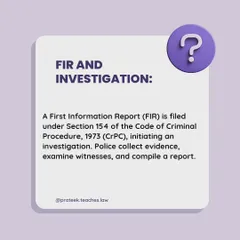
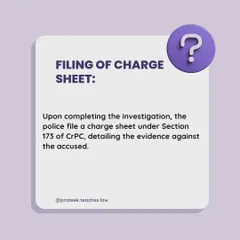
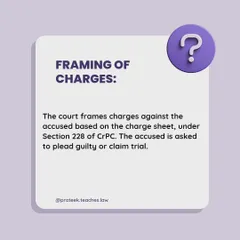
Understanding Criminal Proceedings in India
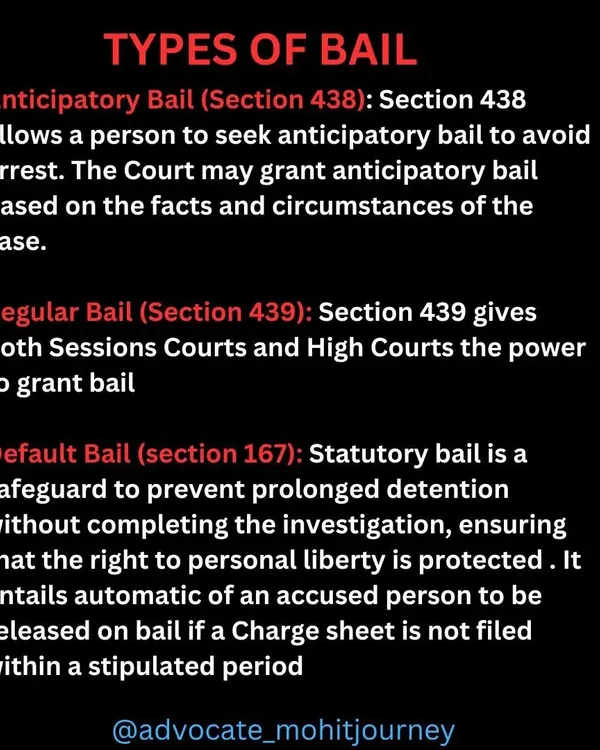 6
6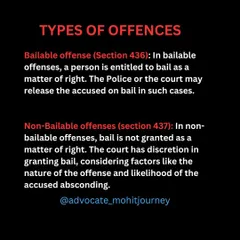
Decoding Bail: Your First Step to Freedom
Understanding the Legal Process: Simple Guide to Court Procedures
More from Criminal Defense by Arafat Ahmad
More services by Arafat Ahmad