Mentoring the Next Generation of Legal Advocates
The future of our legal system relies on the passion of new advocates. I bridge the gap between classroom theory and the harsh realities of courtroom practice through hands-on mentorship.
Serving as a judge in the final round of a moot court competition at The NorthCap University. I was impressed by the students' compelling arguments and confident courtroom demeanor.
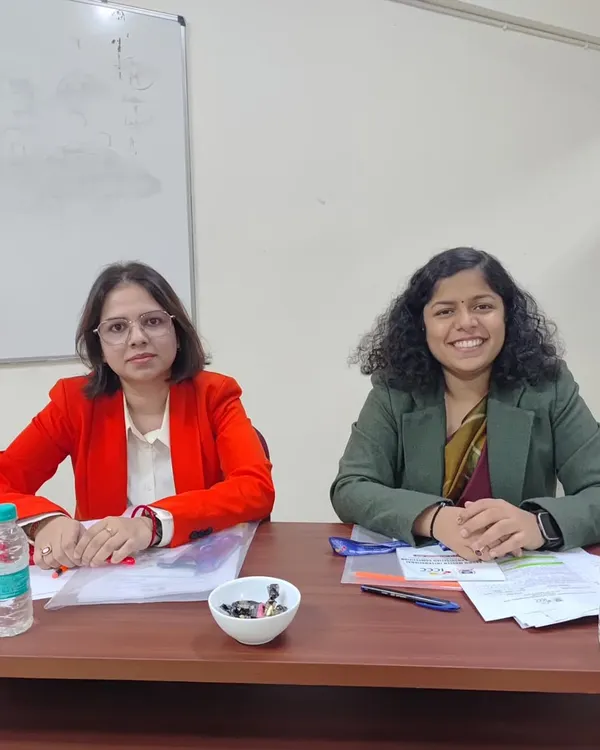
Focused on the proceedings during the moot court finals. Evaluating the students' reasoning and providing constructive feedback is a challenging but rewarding part of being a judge.
With my eminent colleagues from the Gurugram Bar Association, judging a moot court competition at MDU Law College. It is always a pleasure to interact with aspiring advocates.
In a discussion with a fellow advocate during a moot court competition at B.S. Anangpuria College of Law. The students were well-prepared and presented their cases impressively.
With fellow judges, including a retired District & Session Judge, at the moot court. These events are crucial for providing practical experience to law students.
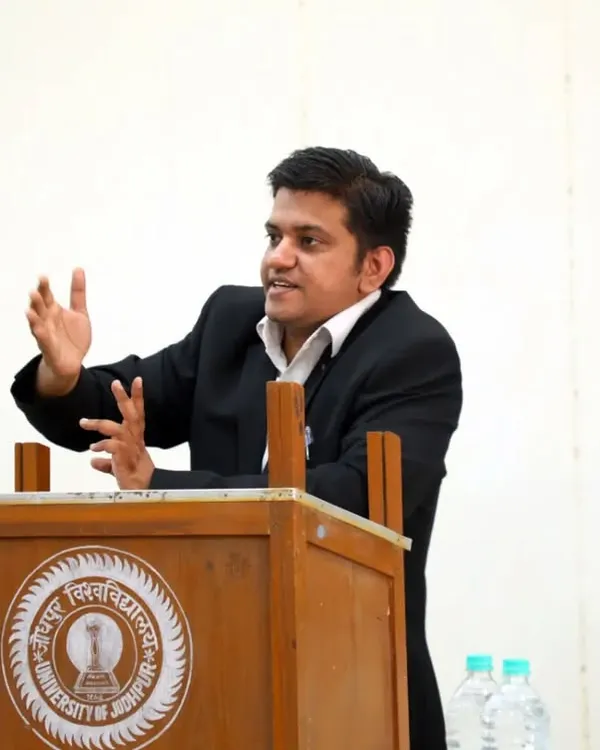
Outside Anangpuria Law School, where I delivered a keynote address on the POCSO Act. It is my responsibility to share my practical knowledge with those who will soon join the profession.
Seated in the front row with faculty, listening to the seminar proceedings. Engaging with both students and educators is key to fostering a robust legal education system.
A view of the packed auditorium at Anangpuria Law School. The enthusiasm of these young legal minds to learn about sensitive laws like POCSO is truly heartening.
Standing beside a poster for my workshop on the POCSO Act, 2012. I am committed to educating students on the vital role this act plays in protecting children from sexual offenses.
The band ceremony for a budding advocate joining my team. I believe in the power of mentorship and providing a strong foundation for young lawyers.
About Mentoring the Next Generation of Lawyers
Mentorship isn't just about giving advice; it is about showing young lawyers the reality of the profession. When I conduct a band ceremony for a junior joining my team, or judge moot court rounds at institutions like The NorthCap University and Anangpuria Law School, I am looking for the grit and quick thinking that textbooks often fail to teach. You have to be willing to be a beginner to truly master the law.
Law schools provide the foundation, but the courtroom provides the education. My approach to mentorship is centered on closing the gap between academic knowledge and the messy, unpredictable nature of actual legal practice.
I regularly visit law colleges to conduct workshops on critical subjects like the POCSO Act and criminal procedures. These aren't just lectures; they are practical insights into how the law is applied, where the hurdles lie, and how to maintain ethical standards when the pressure is high. For the students I meet during moot court competitions, the goal is to shift their focus from winning an argument to understanding the reasoning behind the law.
For those who join my office, the training is rigorous. I believe in a 'learn by doing' philosophy. Whether it is handling initial filings, sitting through client consultations, or observing the police investigation process, I want my team to understand that being an advocate is about service and resilience. Mentorship is my way of ensuring that the next generation of lawyers is not just skilled, but also deeply committed to justice and aware of the human cost of the cases they will eventually handle.
Similar work from other experts
Browse through Curated picks from other experts on mytribe
 12
12
Mentoring Future Lawyers: Practical Legal Guidance
 38
38
Mentoring Future Lawyers: Insights into Supreme Court Practice
 22
22
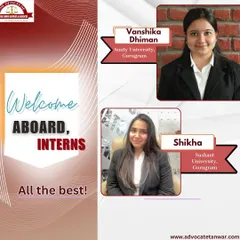
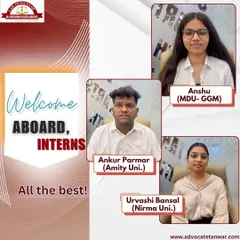
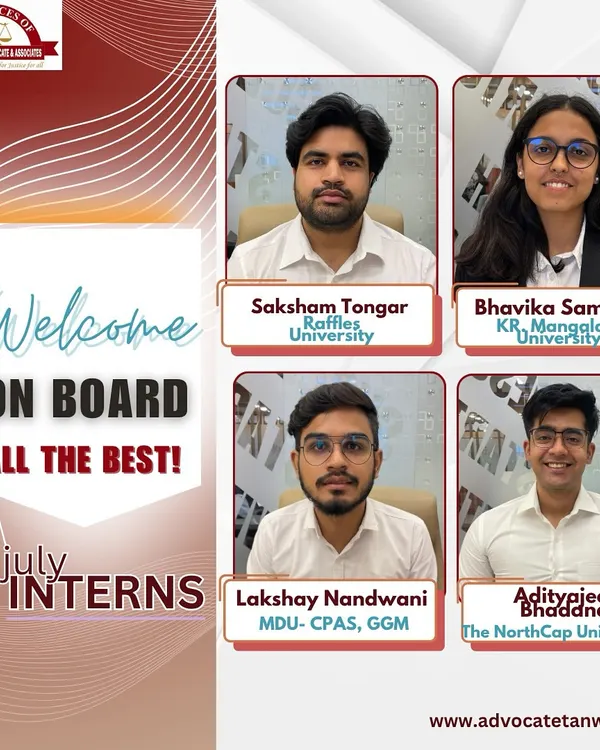
Mentoring Future Lawyers: Practical Legal Internships
 12
12

Legal Mentorship & The Future of Advocacy in Delhi
Mentoring Future Lawyers: Legal Excellence in Gurugram
 14
14
Practical Moot Court Mentorship & Legal Skill Building
More from Family & Criminal Law Services by Neyha Chaudhary
More services by Neyha Chaudhary