Courtyard Homes That Breathe and Cool Naturally
In our crowded cities, we often forget the magic of open-to-sky spaces. I build homes where a central courtyard becomes the heart—drawing in light, refreshing the air, and bringing families together.
The courtyard is the heart of a home. This architectural section drawing shows how a central open space can bring natural light and hawa deep into every room. It creates a shared space for families to connect and ensures the home feels alive and ventilated, reducing the need for artificial lighting and cooling.
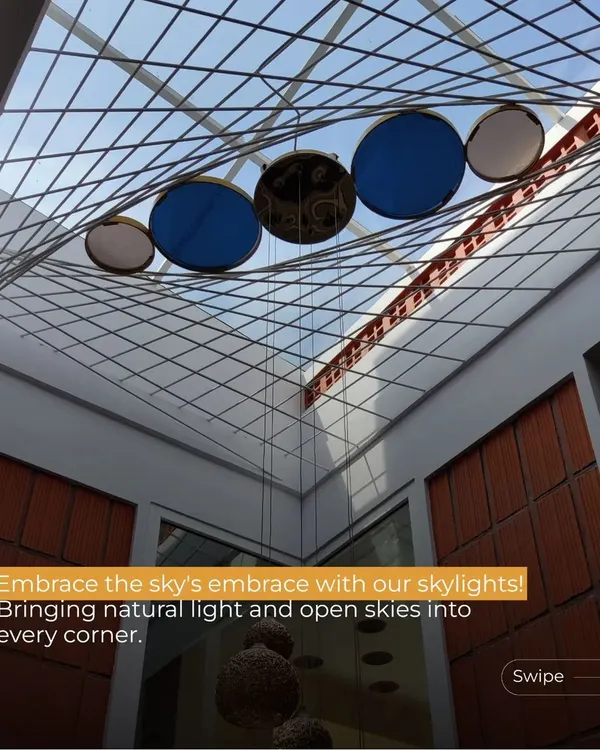
This is a view looking up from within one of our courtyard designs. You can see how the architecture is designed to embrace the open sky, pulling light down into the living spaces. These central courtyards are fundamental to creating homes that breathe and feel connected to nature.
This newspaper feature highlights one of our projects, the Buddharaja Garden House. The design revolves around a central courtyard that acts as a natural cooler for the entire building, a principle that is essential for comfortable living in the Delhi climate.
About Courtyards: Homes that Breathe
My approach moves beyond just aesthetics; we use sun-path analysis and wind-tunnel simulations to ensure your central courtyard acts as a thermal engine. This forces cool air through the house, naturally reducing indoor temperatures and your reliance on energy-intensive air conditioning.
Think of a courtyard as the lungs of your home. In traditional Indian architecture, these spaces were never just decorative—they were functional, climate-responsive cooling systems. When I design a courtyard house, I am looking to recreate that 'Aakash Chowk' (sky courtyard) effect, even in a modern urban setting.
Why This Matters
Modern construction often forces us to build closed boxes that trap heat. By introducing an open central space, we create a pressure difference that pulls fresh hawa (breeze) through every room. This is passive architecture at work. You aren't just opening a window; you are creating a flow of air that keeps the home comfortable, significantly lowering your electricity bill for cooling.
Our Process
When you work with me, we don't just sketch a floor plan. We look at:
- Site Orientation: We map the sun's path to ensure the courtyard provides light but avoids harsh summer heat.
- Cross-Ventilation: We simulate wind patterns to ensure the 'breathing' effect works regardless of the external environment.
- Social Connection: Beyond the climate benefits, a courtyard becomes a place where family life happens—a shared, open space that keeps the house feeling alive, bright, and connected to nature.
Whether you are planning a sprawling bungalow or a compact duplex, the principles of passive, climate-responsive design remain the same. It is about building a home that respects the climate rather than fighting against it, ensuring khushali (well-being) for you and your family for years to come.
Similar work from other experts
Browse through Curated picks from other experts on mytribe
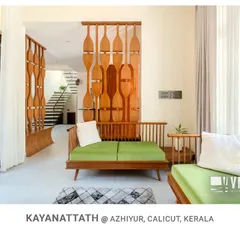
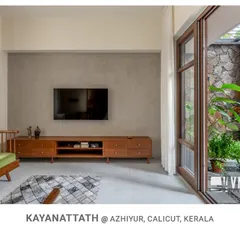
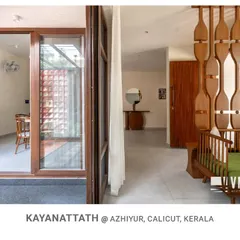
Indoor-Outdoor Home & Villa Designs
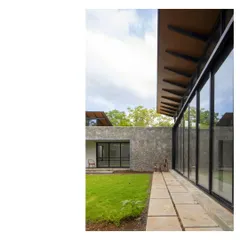
Living with Nature: Verandahs & Courtyards
 13
13
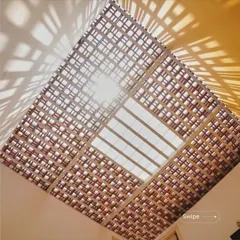
Designing Homes with Natural Light and Airflow
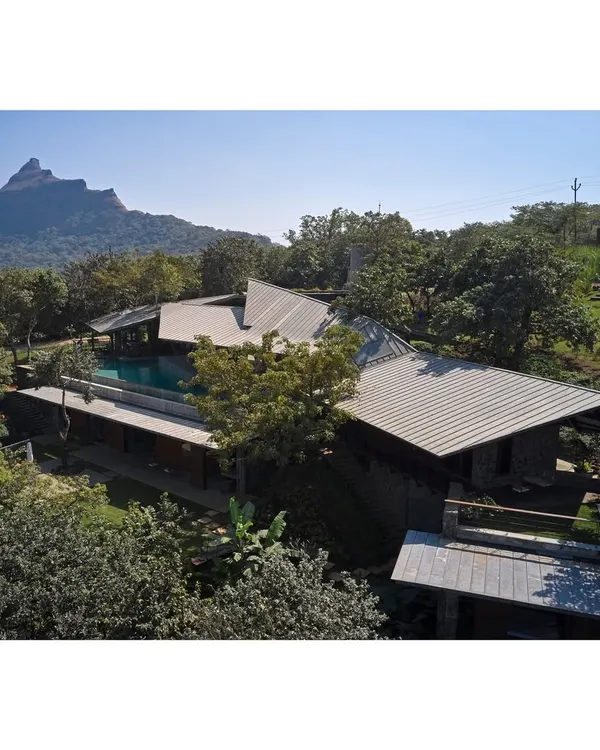 44
44
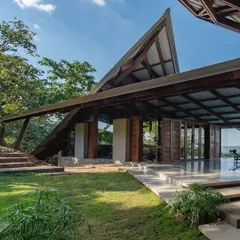
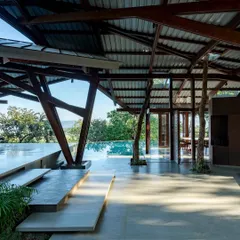
Designing Private Homes in Dialogue with Nature
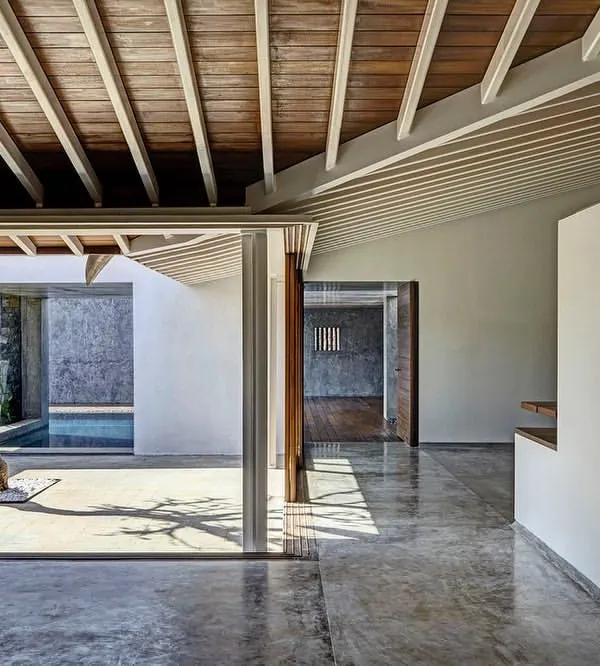 26
26
Courtyard and Atrium Office Architecture
 16
16
Homes that Breathe: Nature-Centric Architectural Design
More from Sustainable Residential Architecture by Ashok B Lall
More services by Ashok B Lall