Ayurveda 101: The Foundations of Wellness
Feeling off, tired, or just not like yourself? Ayurveda isn't a complex mystery; it’s the science of listening to your body's unique rhythm. Let's start with the basics of your constitution.
Ayurveda is an ancient science that translates to "the knowledge of life." It is a holistic system that looks at the mind, body, and spirit as one, aiming to restore balance through natural means for true well being.
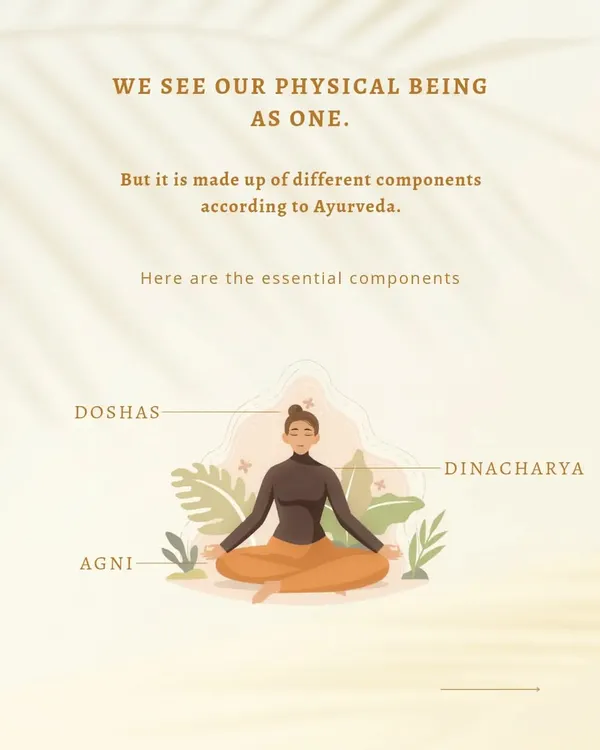
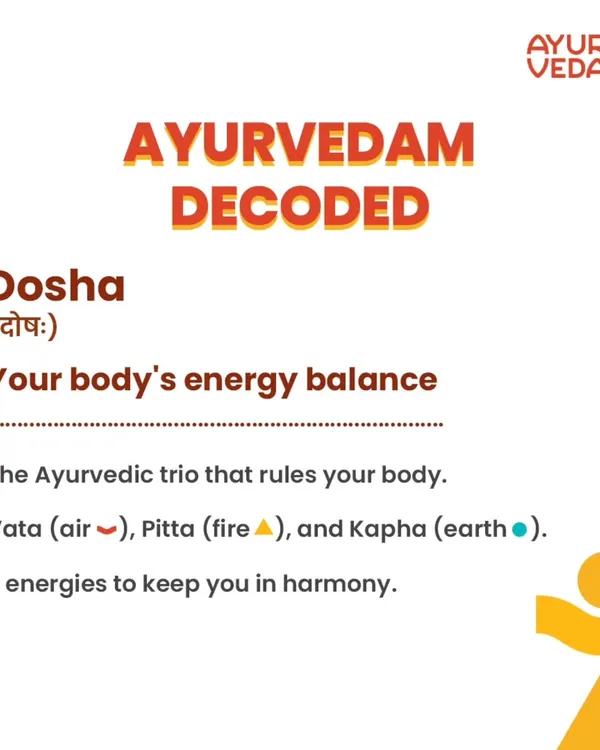
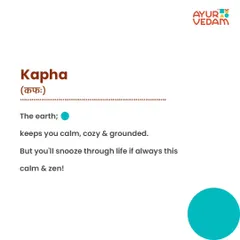
Understanding your Ayurvedic body type, or 'Prakriti', is the first step toward personalized health. This image introduces the three fundamental energies, or doshas: Vata, Pitta, and Kapha, which define our unique constitution.
Your Prakriti is your unique blueprint for health. By identifying your dominant dosha, I can create a tailored diet, lifestyle, and wellness plan that works in harmony with your body's natural state to ensure lasting energy and inner balance.
Vata dosha, composed of air and ether, governs movement in the body. People with a Vata constitution are often creative and energetic but can be prone to dryness and anxiety. Balance is achieved through warmth, routine, and grounding foods.
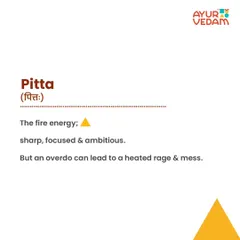
Pitta dosha is associated with fire and water, governing digestion and metabolism. Pitta types are often focused and driven but can experience issues like acidity or skin rashes. They find balance through cooling foods and a calm environment.
Kapha dosha, made of earth and water, provides stability and structure. Individuals with a Kapha nature are typically calm and nurturing but may be prone to sluggishness. They benefit from stimulating activities and light, dry foods.
In Ayurveda, your digestive health is managed by 'Agni', your digestive fire. The strength of your Agni determines how well you convert food into energy. I classify Agni into three types: optimal, moderate, and weak.
Agni is the energy responsible for all transformation in the body, from breaking down food to eliminating waste. A balanced Agni is crucial for absorbing nutrients and maintaining vitality. Just like a fire, it needs the right fuel to function properly.
This chart explains the different types of Agni. Uttama Agni signifies optimal digestion with no bloating, while Madhyama Agni is moderate with occasional discomfort. Understanding your Agni helps me diagnose digestive imbalances.
Avara Agni, or weak digestion, can lead to a buildup of toxins, known as 'aam'. This often results in a lack of appetite, heaviness, and fatigue after meals. My goal is to help you strengthen your Agni for better health.
About Ayurveda 101: The Foundations of Wellness
Before you try another trendy diet, consider this: what worked for your friend might actually cause you 'aam' (toxins) if it doesn't match your specific Prakriti. My consultations focus on identifying your unique dosha balance—Vata, Pitta, or Kapha—so we can fix the root cause of your fatigue or digestion issues, rather than just masking the symptoms.
At the core of my practice is the belief that Ayurveda is not about extreme cleanses or rigid rules, but about understanding the five elements that make you, you. When you come to me for a consultation, we move past 'one-size-fits-all' health advice.
Your Unique Blueprint
Every person has a unique 'Prakriti'—a birth constitution—that determines how your body handles stress, digests food, and fights illness. My process involves:
- Nadi Pariksha (Pulse Diagnosis): A traditional 3-finger reading that tells me exactly what your doshas are doing right now.
- Agni Assessment: Your digestive fire is the most important indicator of your health. If your 'Agni' is weak, even the healthiest food turns into toxins. We find out if you have optimal or sluggish digestion and adjust your diet accordingly.
- Panchabhautik Chikitsa: My approach treats illness by balancing the five elements (Earth, Water, Fire, Air, Ether) in your body. It is often more direct and affordable than standard protocols because it uses fresh, easy-to-take natural medicine.
Why it Matters
Living in a fast-paced city like Mumbai, it is easy to accumulate 'aam'. You might feel bloated after meals or have skin flare-ups you can't explain. These aren't just inconveniences; they are signals from your body. Whether we meet at my clinics in Kandivali, Vile Parle, Lower Parel, or Borivali, or connect via a video call, my goal is to teach you how to read these signals. Once you know your dosha, you can make simple changes—like swapping your afternoon tea for something that balances your heat—that keep you feeling balanced year-round.
Similar work from other experts
Browse through Curated picks from other experts on mytribe



Ayurveda Explained: Understanding Your Doshas & Body
 26
26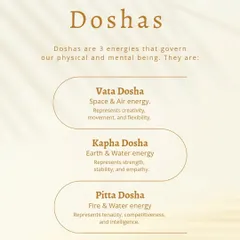


Understand Your Prakriti: Learn Ayurveda Fundamentals
 18
18
Ayurveda 101: Decode Your Body’s Unique Blueprint
 4
4

Understanding Ayurvedic Principles for Daily Wellness
Ayurvedic Wisdom for Modern Life
 13
13


Understanding Ayurveda: A Guide to Holistic Healing
More from Ayurvedic Health Consultation by Mansi Kirpekar