Understand Your Prakriti: Learn Ayurveda Fundamentals
Ayurveda is more than just remedies; it is a logical framework to understand your own body. Explore the basics of Doshas, Agni, and how to find your natural balance.
We often see our body as one unit, but Ayurveda teaches us it is composed of different essential components. Understanding the three pillars of Doshas (body constitution), Dinacharya (daily routine), and Agni (digestive fire) is the first step toward personalized, holistic health.
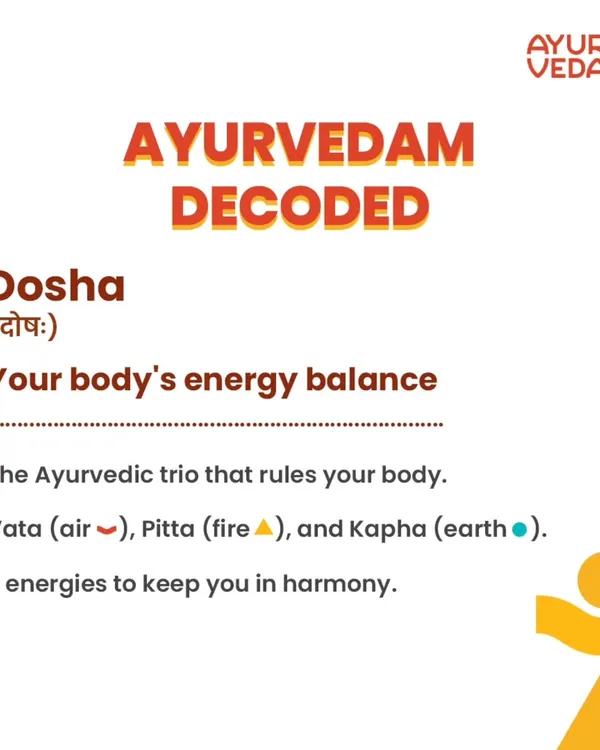
The Doshas are the three fundamental energies that govern our physical and mental being. Vata is the energy of movement, Pitta is the energy of digestion and metabolism, and Kapha is the energy of lubrication and structure. Knowing your unique constitution is key to maintaining balance.
Dinacharya is the Ayurvedic concept of an optimal daily routine. Simple habits like waking up early to boost energy, eating regularly to improve digestion, and practicing self-care like tongue scraping or oil massage are highly recommended to detoxify your body and maintain balance.
Agni is our 'digestive fire', but it governs more than just food. It is our ability to process emotions, experiences, and thoughts. Strong Agni leads to a clear mind and strong immunity, while weak Agni can cause fatigue and toxin buildup.
Each dosha has its own unique strengths. Vata types are often creative and expressive communicators. Pitta types excel at management and leadership. Kapha types are known for their empathy, cooperation, and steadiness. Understanding your dosha helps you harness your natural talents.
This is an overview of the Vata dosha, which represents air and space. When in balance, Vata individuals are expressive and productive. When out of balance, they can become doubtful and moody. Staying hydrated and grounded is key to managing Vata.
The Pitta dosha represents fire. In balance, Pitta types are powerful leaders and mentors. Out of balance, they can become rude or dictatorial. Practicing moderation and staying cool are essential for balancing Pitta's intensity.
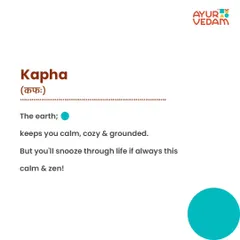
The Kapha dosha represents earth. When in balance, Kapha individuals have a strong, joyful, and helpful presence. When out of balance, they can become lazy or depressed. Awareness of these qualities can help you explore your strengths and weaknesses.
Here are common signs of a Vata imbalance, including dry skin, constipation, and feelings of anxiety. To balance Vata, I recommend warm, nourishing foods and grounding practices. Using herbal remedies like my naturally formulated lip balm can also help combat dryness.
Signs of a Pitta imbalance include acid reflux, skin rashes or acne, and feelings of anger or frustration. To remedy this, I suggest consuming cooling foods, applying herbal creams to soothe the skin, and incorporating calming yoga into your lifestyle.
About Learn Ayurveda with Me
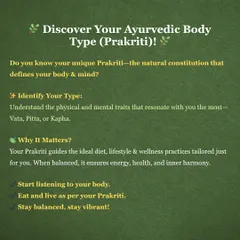
Reading about Doshas is a good start, but applying these principles requires a professional eye. While online quizzes might suggest you are Vata, Pitta, or Kapha, they cannot reveal your current state of Agni (digestive fire) or where a specific Dosha imbalance is actually hiding.
True healing in Ayurveda starts with Nadi Pariksha, or pulse diagnosis. When you consult with me, we move past generic labels. I look at your Prakriti—your genetic constitution—and your Vikriti, which is your current state of imbalance.
Often, clients come to me having tried to 'fix' a Kapha imbalance with heating spices, only to realize they actually had a Pitta flare-up that needed cooling. This is the danger of self-diagnosis. Ayurvedic principles like Dinacharya (your daily routine) are highly effective, but they must be calibrated to your specific body type.
In our sessions, I do not just provide a prescription. I explain why your Agni is struggling and how your current lifestyle is affecting it. We identify the root cause, whether it is stress, improper diet, or environmental factors. My goal is for you to leave with a clear roadmap so you understand your body well enough to maintain your own health in the long term.
Similar work from other experts
Browse through Curated picks from other experts on mytribe
 18
18

Ayurveda 101: Decode Your Body’s Unique Blueprint
 11
11

Ayurveda 101: The Foundations of Wellness



Ayurveda Explained: Understanding Your Doshas & Body
 4
4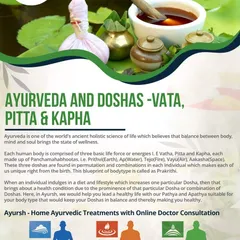

Understanding Ayurvedic Principles for Daily Wellness

Understanding Ayurvedic Principles & Personalized Treatment
Ayurvedic Wisdom for Modern Life
More from Ayurvedic Consultation & Treatment by Abja Healthcare
More services by Abja Healthcare