Master Foundational Mehndi Techniques in Mumbai
Building a stunning design starts with a steady hand and clear basics. Learn how I break down complex patterns into simple, repeatable techniques in my Bhandup classes.
Every great design starts with the basics. This tutorial video shows how I teach foundational filler elements, ensuring you build a strong base of skills for creating any complex mehndi pattern.
This video focuses on creating startup borderlines. Clean and consistent borders are the framework for any beautiful mehndi design.
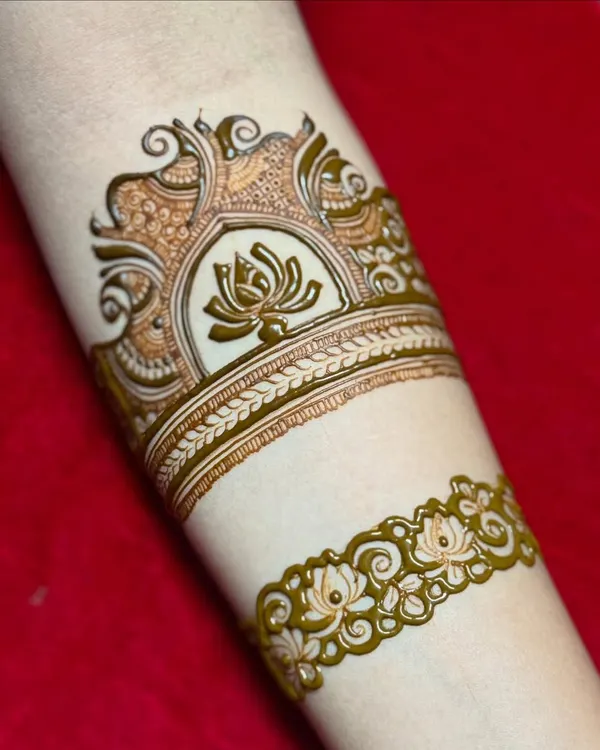
A tutorial on creating a startup cuff design. You will learn how to combine borders, fillers, and simple floral cutwork into a cohesive wristband.
This practice sketch shows how to combine different elements like hanging birds and lotus borders to create a unique band design.
A complex practice design for a bridal cuff, featuring architectural elements, peacocks, and intricate fillers.
This video shows a full hand design creation, demonstrating how different foundational patterns and fillers come together.
In my offline class, we practice drawing essential bridal elements like the dholak, tabla, and shehnai, which are musical instruments used in weddings.
This full hand design is a great example of how to use dark, filled spaces (negative space) to make the lighter patterns pop.
A full arm bridal design that showcases a variety of foundational techniques, including checks, dots, floral bands, and peacock motifs.
This tutorial shows how to create a band with floral cutwork on one side and a geometric pattern on the other, teaching you how to balance different styles.
About Foundational Techniques
Mastering filler elements like checks, dots, and consistent borderlines is the difference between a cluttered design and a professional one. I focus on these essentials first because they serve as the building blocks for every advanced bridal pattern and figure we eventually cover in class.
Why Foundations Matter
Every intricate henna design, whether it is a dense bridal cuff or a simple palm pattern, relies on the quality of its underlying grid. Without clean borderlines and balanced fillers, a design loses its structure. My classes in Bhandup are designed to eliminate the guesswork from the drawing process.
What We Cover in This Module
We move beyond just copying patterns to understanding the geometry of henna:
- Clean Borderlines: Learning to control cone pressure to create thin, uniform lines that define the boundaries of your design.
- Filler Elements: Mastering the space between borders with checks, swirls, and dot work. This is where you learn to create texture and depth in your patterns.
- Negative Space (Cutwork): Understanding how to leave areas empty to make floral or geometric motifs stand out, a technique essential for modern Indo-Western designs.
My Approach to Learning
I believe in practice over theory. While we start with paper and acrylic hands to build muscle memory, the goal is to get you comfortable applying these foundational elements onto skin. We work on consistency—ensuring that every line you draw is intentional. By the end of this module, you won't just be able to replicate designs; you will have the technical control required to start creating your own unique patterns. Whether you are aiming for a professional career or want to master this as an art form, these basics are where it all begins.
Similar work from other experts
Browse through Curated picks from other experts on mytribe
Master Foundational Mehendi Techniques and Motifs
Learn Mehndi Art: Start Your Journey from Basics
Intricate Mehendi Fillers and Henna Detailing Techniques
Master Mehndi Fillers, Grids, and Borders
 11
11
Master Mehendi Design: Learn Element by Element
Mastering Mehndi Patterns, Grids & Borders
More from Professional Mehndi Courses by Jyoti Yadav
More services by Jyoti Yadav