Karate Techniques and Dojo Rules Guide
Master the fundamentals of karate. From belt grading systems and dojo etiquette to technical breakdowns of punches and kicks, use these resources to support your daily practice.
A clear breakdown of the scoring system in Kumite. Understanding Yuko (1 point), Waza-ari (2 points), and Ippon (3 points) is essential for competition.
An illustrated guide to fundamental martial arts blocks (Uke), including Age Uke, Soto Uke, and Gedan Barai. Mastering these is the first step in a strong defense.
The karate belt grading syllabus. This chart shows the progression from a beginner white belt (9th Kyu) to a black belt (Sho Dan), a journey of theory, practice, and achievement.
The rules of the dojo. These principles of respect, discipline, and cleanliness are the foundation of our training and character development.
A visual guide to Empi Uchi (elbow strike) techniques. This shows various applications like Mae Empi (forward) and Mawashi Empi (roundhouse).
A chart of essential karate techniques, including kicks like Mae Geri and Mawashi Geri, and stances like Zenkutsu Dachi.
A detailed illustration of various Zuki (punching) techniques, from the basic Oi-Zuki to more complex applications.
Another reminder of the Dojo Rules. Discipline is a constant practice.
The ultimate goal for many: a 4th Dan Black Belt certificate from the World Karate Masters Federation. This represents years of dedication.
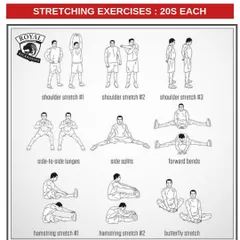
A flexibility challenge chart. Flexibility is crucial for high kicks and injury prevention, and we encourage students to work on it daily.
About Karate Knowledge Base
Getting your basics right is the difference between a white belt and a black belt. Look closely at the stance and block charts here—these are the foundation of every session at my academy. If you are serious about mastering these movements, don't just study the diagrams; come to the dojo to practice them under proper supervision.
Building a Foundation
Karate is built on three pillars: Kihon (basics), Kata (forms), and Kumite (sparring). In our Varanasi classes, we focus on all three. You will learn to execute proper punches (Tsuki) and blocks (Uke) before moving to the complex sequences found in the Heian series. Our images show you exactly what judges look for in regional and state-level competitions.
Belt Grading and Dojo Rules
Progression is systematic. We conduct belt grading exams every three months. This ensures you are not just learning physical moves, but also the theory, history, and discipline required for the next rank. Remember that discipline starts at the door—respecting the dojo etiquette, such as bowing and keeping the space clean, is just as important as your kick technique.
Beyond the Mat
Training with us is about more than just fitness or self-defense. We believe in building a career through sport. Our curriculum includes specific preparation for KIO-recognized tournaments, which are vital for candidates looking to leverage the sports quota for government jobs in the Army, CRPF, or Railways. Whether you are a beginner looking to understand your first stance or an athlete targeting a black belt (Sho Dan), these resources and our structured training sessions provide the roadmap to get there.
Bas practice karo—keep practicing until you cannot get it wrong.
Similar work from other experts
Browse through Curated picks from other experts on mytribe
Master Kata and Kihon: The Foundation of Kyokushin Karate
 11
11
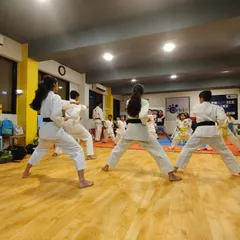
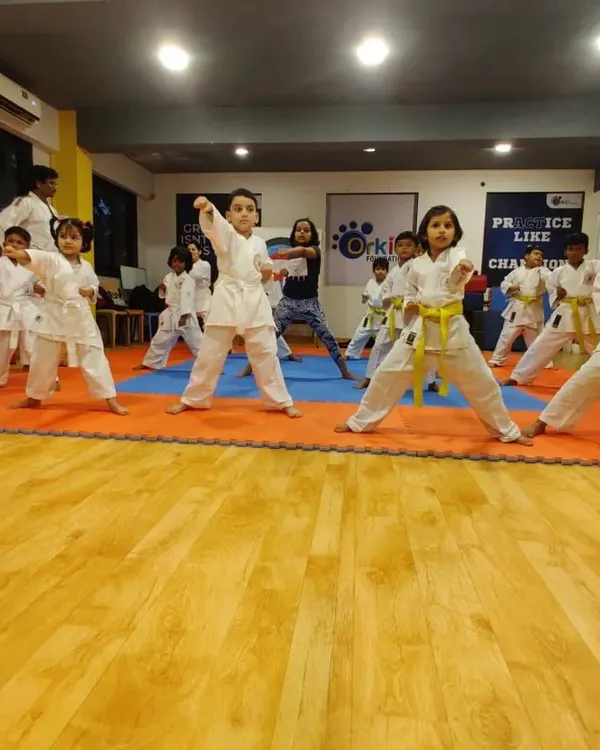
Karate Training, Technique & Belt Gradings

Taekwondo Training: From Basics to Black Belt
Core Taekwondo Training: Kicks, Patterns & Drills
ITF Taekwondo Training in Bangalore
 4
4
Master MMA Fundamentals and Kickboxing Technique
More from Competitive Karate Coaching & Career Guidance by VK Martial Arts
More services by VK Martial Arts