Know Your Consumer Rights: Legal Guidance to Protect Yourself
Don't let confusing terms stop you from seeking justice. Whether you have received a faulty product or poor service, I help you determine if you qualify for protection under the Consumer Protection Act and how to effectively voice your grievance.
The Consumer Protection Act is a powerful law designed to protect your interests. I explain its core purpose, which is to ensure fair treatment for consumers and to establish authorities and councils for effective dispute resolution.
Are you a 'consumer'? I clarify the definition under the Consumer Protection Act. Learn who qualifies for protection and who does not, particularly when goods or services are purchased for commercial purposes or resale.
As a consumer, you have fundamental rights that protect you. I outline the Right to Safety, the Right to be Informed, the Right to Choose, and the Right to be Heard, explaining how these rights ensure you are treated fairly in the marketplace.
If you have experienced an unfair trade practice, you have options. I explain how the Consumer Protection Act enables you to approach the consumer forum to address your grievances and seek suitable compensation with the help of a legal expert.
Can a company file a consumer complaint? The answer is yes. I explain the circumstances under which a company can be considered a 'consumer', specifically when it purchases goods or services for its own use without any commercial purpose involved.
This graphic clarifies an important point from the Consumer Protection Act. It highlights that a company buying goods for its own personal use, not for commercial resale, is protected under the act and can seek remedies.
This informational graphic addresses a common question for homebuyers. It clarifies that an arbitration clause in a builder-buyer agreement does not prevent you from approaching a Consumer Forum, giving you an additional path for grievance redressal.
About Know Your Consumer Rights
Many people hesitate to approach the consumer forum, thinking their case is too small or complex. The reality is that if you purchased goods or services for personal use and the quality is subpar, you are likely protected. Before you spend time worrying, verify if your transaction falls under the consumer definition—it is not just about individuals, but also companies purchasing for internal use without a commercial motive.
If you are feeling stuck with a bad product or service, you do not have to fight alone. The Consumer Protection Act is designed to be accessible, but the paperwork and legal terminology can be overwhelming.
Understanding Your Consumer Status First, check if you qualify. You are a consumer if you paid for goods or services for personal use. Even if you are a company representative, if the purchase was for internal use rather than commercial resale, you have rights.
Common Myths That Delay Justice
- Arbitration Clauses: Many builders or service providers include these in contracts to discourage you from approaching a court. You can still seek help from the consumer forum.
- 'Too Small to Sue': You do not need a massive claim to seek justice. You have the Right to Safety, the Right to be Informed, the Right to Choose, and the Right to be Heard.
My Approach When you reach out, I focus on:
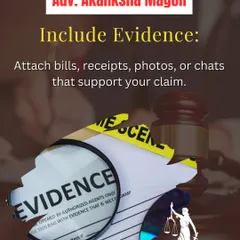
- Fact-Finding: Reviewing bills, emails, and agreements to build a strong narrative.
- Strategy: Determining if a legal notice is enough to settle the issue or if we need to file a formal consumer complaint.
- Representation: Guiding you through the filings so you know what to expect at every hearing.
The goal is to get you the relief or compensation you deserve without the stress of navigating the system blindly.
Similar work from other experts
Browse through Curated picks from other experts on mytribe
 5
5


Consumer Rights and Dispute Resolution

Know Your Consumer Rights and Fight Unfair Practices
 7
7
Consumer Complaint Filing & Legal Strategy in Delhi
Know Your Consumer and Financial Rights
Protecting Your Rights as a Homebuyer and Consumer
Understanding Your Rights as a Consumer
More from Dispute Resolution & Litigation by Vibhu Verma
More services by Vibhu Verma