Understanding Keloids: Causes and Treatment Options
If you are dealing with raised, thick scars after an injury, you may have a keloid. Here, I break down the science of why they form and how we manage them at my clinic in Bengaluru.
In this video, I introduce the topic of keloids, which are a type of raised scar resulting from an abnormal healing process. Understanding what a keloid is and why it forms is the first step toward effective treatment.
Here, I explain the biological process of how a keloid forms. A deviation in the normal wound healing stages can lead to an overproduction of scar tissue, resulting in a keloid.
This segment discusses who is genetically predisposed to developing keloids and how to recognize the early signs. An actively growing keloid may be itchy or painful, indicating a need for consultation.
I discuss the common sites where keloids develop, such as the chest and shoulders, as well as after ear piercings. These are areas where the skin is often under tension, contributing to keloid formation.
In the final part of the series, I detail the professional treatment options available. These include intralesional steroid injections to reduce inflammation and other advanced therapies like cryotherapy or lasers to decrease the bulk of the keloid.
About Dr. Vasavi Explains: All About Keloids
A keloid is not just a standard scar, it is an overactive healing response where collagen production goes into overdrive. Because these growths can be sensitive, itchy, or painful, you should not simply wait for them to fade or attempt to treat them at home. In my clinic, I assess the thickness and activity level of the lesion before recommending a specific path, whether it involves intralesional steroid injections, cryotherapy, or laser-assisted flattening.
Understanding the Biology of Keloids
When your skin is injured, the body naturally produces collagen to repair the wound. In some individuals, this process continues long after the wound has healed, resulting in a keloid. These are raised scars that grow beyond the boundaries of the original injury. Unlike standard scars, keloids do not regress on their own and can be persistent.
Why Professional Diagnosis Matters
It is common to confuse keloids with hypertrophic scars or other skin growths. A physical examination helps us determine the best course of action. If the growth is actively expanding, itchy, or painful, early intervention is critical to prevent further thickening.
Our Approach to Treatment
We do not use a single method for all patients. Instead, we customize the plan based on the scar's size and location:
- Intralesional Steroid Injections: We use corticosteroids like Triamcinolone to break down the collagen buildup within the scar. This is often the first line of defense to flatten the lesion.
- Fractional CO2 Laser: This helps improve the texture and surface appearance of the scar by promoting organized tissue remodeling.
- Cryotherapy: Using liquid nitrogen, we freeze the scar tissue, which can be an effective way to reduce the bulk of the keloid, especially when combined with injections.
Treatment is rarely a one-time process. Depending on the thickness and maturity of the keloid, we typically plan for a series of sessions to achieve visible flattening while keeping the surrounding skin healthy.
Similar work from other experts
Browse through Curated picks from other experts on mytribe
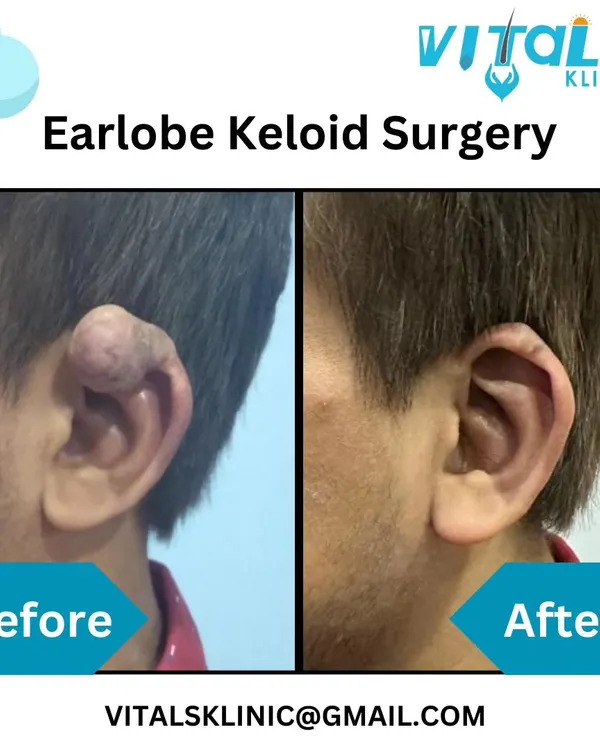 4
4

Scar Revision and Resurfacing
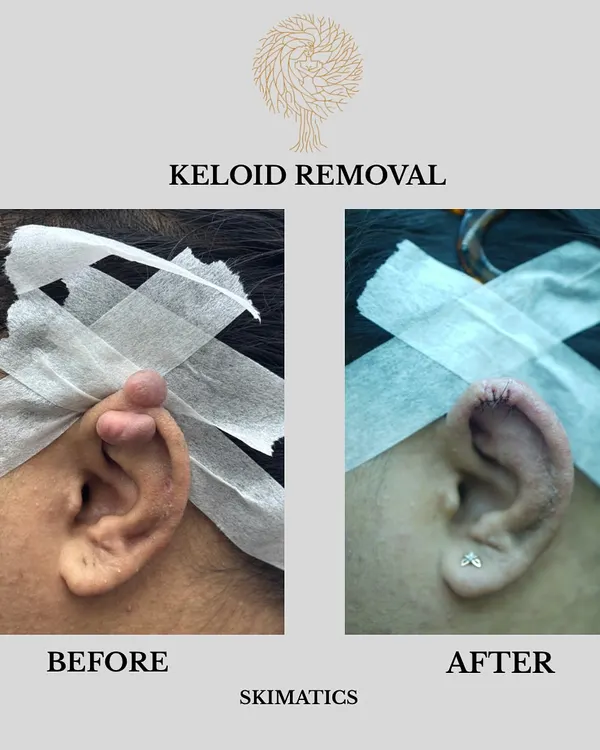 6
6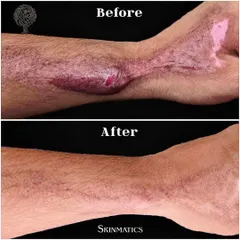
Scar and Skin Growth Removal
Acne and Scar Treatment in Bengaluru
 4
4

Advanced Scar Revision and Skin Resurfacing
 12
12
Acne Scar Treatment & Texture Correction
Advanced Acne Scar Treatments in Bengaluru
More from Wart, Skin Tag & Keloid Removal by Sree Vasavi