Expert Endurance Training and Active Recovery Strategies
Fitness is about more than just the miles you log. I help you build a smarter approach to endurance by balancing intense training with the recovery science that keeps you ready for your next peak.
"Movement Heals." Here I am practicing an Animal Flow routine in the serene environment of Ladakh. This form of bodyweight training is great for mobility and strength.
In this video, I share my top tips for endurance athletes training in the heat and humidity of North India. I cover hydration, electrolytes, pacing, and even what to wear to beat the heat.
Our group practicing yoga together in front of a historic monument. We incorporate yoga and stretching for flexibility, recovery, and mindfulness.
Taking a moment to cool down and recover in a shallow river. This kind of natural cold water therapy is perfect for soothing tired muscles after a long run.
Our team enjoying a well-deserved break, standing together in the river. Recovery is a team activity too.
Having some fun while cooling off. A playful kick in the water is a great way to unwind after an intense workout.
A participant enjoying the therapeutic feel of the cool river water against the backdrop of the mountains.
Two friends from our group enjoying the river recovery session together.
Standing in the river, I take a moment to connect with nature and let my body recover.
A couple from our team enjoying the post-training cool-down in the river.
About Training, Recovery & Expert Tips
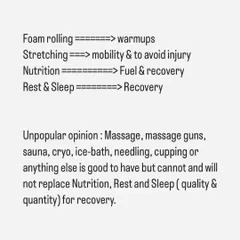
Recovery is the secret ingredient most people skip. Whether we are prepping for a high-altitude expedition in Ladakh or a city marathon, I integrate specific mobility drills—like Animal Flow and structured post-run river recovery—right into the plan. If you want to train hard without burning out, let's talk about building a routine that keeps your body resilient.
Training with Purpose
Real progress happens when you stop guessing and start training with intent. My approach to endurance coaching is built on three pillars: technical precision, high-altitude adaptation, and recovery mastery. We don't just run loops in the park; we look at heart-rate management, electrolyte pacing, and environmental stressors—like humidity or elevation—that affect your performance.
The Recovery Science
Most athletes focus 90% on the workout and 10% on recovery. I flip that. When we are on the ground in places like Ladakh or during our weekend retreats, recovery is a team event. We use:
- Active Mobility: Incorporating Animal Flow and specific yoga sequences to maintain flexibility.
- Cold Therapy: Natural river dips and swimming to flush lactic acid after heavy efforts.
- Nutrition Protocols: Managing your fueling and hydration, even in harsh weather.
Why This Matters
If you have ever felt your heart rate spike uncontrollably or hit a wall midway through a long run, it is often a breakdown in energy management, not just fitness. I help you track your metrics and adjust your pacing so you don't just finish the race—you finish it strong. Whether you are training for your first 10K or an Ironman, my goal is to teach you how to listen to your body so you can keep moving, year after year.
Picture abhi baaki hai (the movie isn't over)—if you show up, I promise to push you to levels you didn't think were possible.
Similar work from other experts
Browse through Curated picks from other experts on mytribe
The Science of Recovery: How to Repair and Perform


High Performance Coaching Insights and Athlete Recovery
Running smarter with science-backed training guides
Active Recovery & Injury Prevention Strategies

Smart Cardio and Endurance Training for Real Athletic Results


Ultra & Trail Running Coaching
More from Fitness Expeditions & Retreats by Gagan Arora
More services by Gagan Arora