Strength Training for Athletes & Performance
Building power isn't about fancy machines; it's about mastering the basics. Whether you're training for a triathlon or daily fitness, we focus on strength, biomechanics, and injury prevention—no generic routines here.
Should you lift with shoes on or barefoot? I almost always recommend barefoot. It allows you to properly grip the floor, activate stabilizer muscles, and perfect your form, which is crucial for exercises like squats and deadlifts.
A quick and effective HIIT workout you can do at home. This session includes dumbbell burpees, Cossack squats, and elevated heel squats to build explosive power and cardiovascular fitness. We work for 40 seconds on, 20 seconds off.
Look, train, and race like you mean it. This clip shows a dumbbell chest press, a fundamental 'push' movement for building upper body strength that translates directly to better swimming power and overall stability.
A glimpse into my daily grind. This segment shows a bicep curl, a simple but effective exercise for building arm strength. Consistent resistance training, even with basic movements, is what builds a strong, resilient athlete.
A post-session check-in at the gym. Notice I'm barefoot. Training this way improves my connection to the ground and helps build stronger feet, which is the foundation for all movement, especially running and lifting.
Injury is part of the journey, but rehab is where you build back stronger. Here I'm using resistance bands for corrective exercises to strengthen supporting muscles. This kind of prehab and rehab work is a core part of my coaching.
About Strength Training: The Foundation of Performance
You might see people lifting with heavy, cushioned shoes, but I almost always recommend training barefoot or with minimalist footwear. It allows your feet to grip the floor, activates your stabilizer muscles, and prevents bad form from hiding behind thick soles. It’s one of the small, non-negotiable details that actually improves your lifting mechanics immediately.
The Foundation of Performance
Strength training for athletes is not about building bulk; it's about building resilience. My programming isn't a one-size-fits-all PDF. Whether you are a marathon runner or just getting into fitness, we start with the 'Big 5'—squats, lunges, hinges, pushes, and pulls.
Why Form Matters
When you train with me online, we prioritize biomechanics over weight. If you're doing a deadlift, I need to see your spine position and your hip hinge. Through live video correction, I audit your form in real-time. This is the difference between getting stronger and getting injured. We use resistance bands for activation and corrective drills, ensuring your muscles are firing exactly when they need to.
The 'Asli Kaam' (Real Work) Approach
- Progressive Overload: We move through cycles—Hypertrophy, Strength, and Power. You don't just 'lift heavy'; you lift with intent.
- Minimalist Approach: I believe in basics over gadgets. You need a pair of dumbbells, bands, a mat, and a solid plan.
- Athlete-Specific: We aren't doing random HIIT just to make you sweat. Every movement has a purpose—whether it’s building explosive power for a triathlon or improving your core stability for long-distance running.
Is this for you?
If you want to train like an athlete, be accountable, and are willing to put in the actual work, we will get along. I don't cater to those looking for shortcuts or magic pills. You show up, we fix your form, and you get stronger. Simple.
Similar work from other experts
Browse through Curated picks from other experts on mytribe
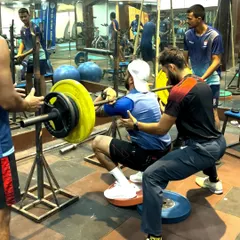
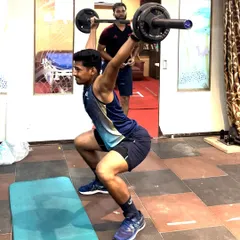
Build Real Athletic Power: Foundational Strength Training
Strength Training: The Foundation of Real Power
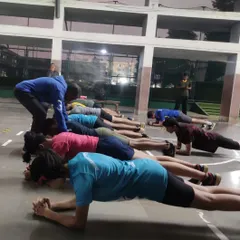
Scientific Strength and Power Training for Athletes
Advanced Strength and Conditioning for Sustainable Growth
Mastering Squat, Bench, & Deadlift Form
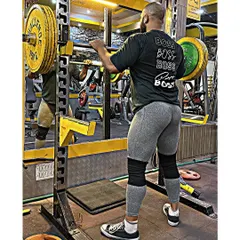
Full Power Strength Training & Heavy Lifts
More from Strength & Conditioning for Athletes by TimTim Sharma
More services by TimTim Sharma