Gear and Nutrition Strategy for Endurance Athletes
Equipment should solve problems, not create them. I help you cut through the noise to focus on gear and nutrition choices that actually support your performance and longevity.
What running shoes do you need? I recommend a two-shoe rotation: a comfort shoe for long runs and a responsive shoe for speed work. I also explain when carbon-plated shoes are actually beneficial.
Wrist-based or chest strap heart rate monitor? For serious zone-based training, the accuracy of a chest strap is unbeatable. I explain the pros and cons to help you choose the right tool for your goals.
A quick tutorial on how to change the battery in your Garmin HRM. It's easy peasy lemon squeezy. Knowing how to maintain your gear is part of being a self-sufficient athlete.
Let's talk about collagen. I explain how this simple protein supplement supports recovery by helping to build muscle, bones, and ligaments. Smart supplementation can give you that extra edge.
A look at the Brooks Ghost 16 running shoe. This is a great daily trainer that balances comfort for long miles with a responsive feel from its nitrogen-infused sole. The right shoe makes a huge difference.
An announcement for an Instagram takeover session I did on the importance of cross-training. Using different training modes is a key strategy I use to build well-rounded, injury-resistant athletes.
Are you getting enough protein? I break down the signs of protein deficiency, starting with swelling (edema) and changes to your skin and hair. Nutrition is the foundation of your health and performance.
More signs of protein deficiency include a weakened immune system and muscle loss. Protein is essential for making antibodies and maintaining the skeletal muscle you need to move and perform.
Protein is also crucial for bone health. It's a primary component of collagen, which makes up your bones. Sufficient protein intake helps combat age-related muscle and bone density loss.
How much protein do you actually need? I provide clear guidelines based on your activity level, from inactive individuals to highly active endurance athletes. Your needs change based on your training load.
About Gear & Nutrition
Most runners overcomplicate their footwear. You only need a two-shoe rotation: a cushioned, comfort-focused pair for your long slow distance days and a responsive, speed-oriented pair for training and race day. Don't waste money on carbon-plated shoes until you hit specific pace targets, as they will not give you any advantage otherwise.
Know Your Gear
Heart Rate Monitors: Stop relying on wrist-based sensors for zone training. They are fine for general activity tracking, but if you want accuracy in the pool or during high-intensity interval training, a chest strap is non-negotiable. I use the Garmin HRM Pro Plus because it holds up in the water, but pick based on your sport.
Apparel: Look for quality, not just the brand name. When testing kits like CCN, I evaluate based on the chamois quality, aerodynamics, and how it holds up over months of intense training. If a kit doesn't feel like a second skin, it is a distraction.
Fueling as a Strategy
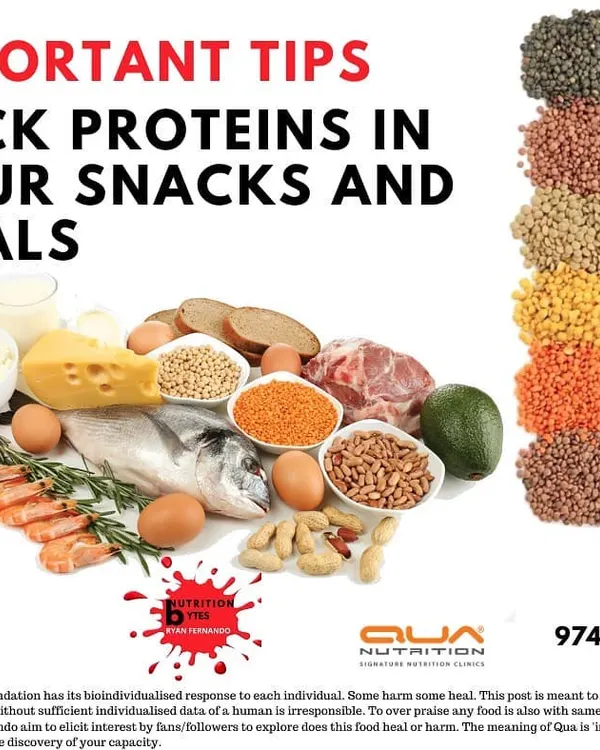
Protein Intake: Protein is not just for bodybuilders. It is the foundation of recovery, bone density, and immune health. If you are a physically active endurance athlete, you need to aim for 1.8 to 2.5 grams per kilogram of body weight. Signs like unexplained swelling (edema), brittle hair, and recurring injuries are often indicators of protein deficiency.
Supplements: Do not rely on magic pills. Collagen is a legitimate addition for ligament and tendon support, but only when paired with proper vitamin C intake for absorption. Stop looking for hacks and start looking at your baseline nutrition.
Similar work from other experts
Browse through Curated picks from other experts on mytribe

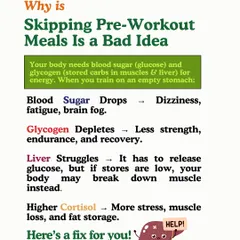
Fueling for Performance: Pre, During & Post Workout
 25
25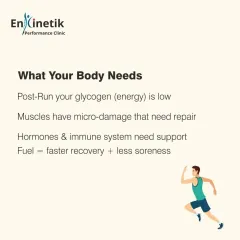
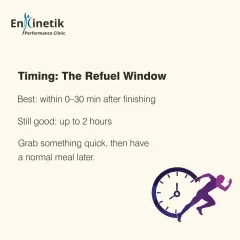
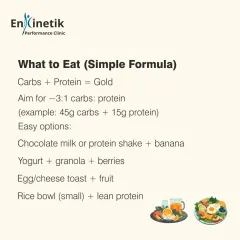
Fueling, Hydration, and Recovery Strategies for Runners
 5
5
Core Nutrition Principles for Peak Athletic Performance
 11
11
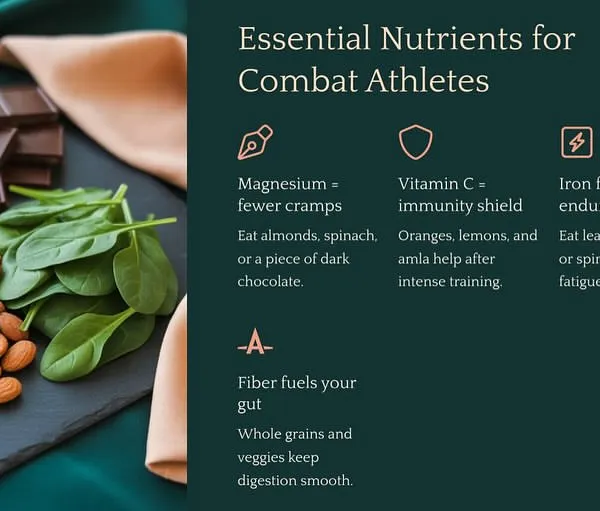
Combat Nutrition and Recovery for Fighters
Gym Equipment: Choosing the Right Tools for Performance
 4
4

Performance Nutrition & Healthy Athlete Meal Plans
More from Strength & Conditioning for Athletes by TimTim Sharma
More services by TimTim Sharma