Creative Writing Classes: From Novels to Poetry
I help students find their unique voice by experimenting with different writing forms, from character-driven novels to expressive poetry. Let's make writing a fun, daily habit.
From a single idea to a finished novel, the journey can feel daunting. I break down the process into five clear stages: idea, mapping, drafting, adaptation, and sharing. This framework gives aspiring novelists a clear roadmap to bring their story to life.
From a single idea to a finished novel, the journey can feel daunting. I break down the process into five clear stages: idea, mapping, drafting, adaptation, and sharing. This framework gives aspiring novelists a clear roadmap to bring their story to life.
How does a great novel begin? We analyze famous opening lines, like those from "Moby Dick" and "1984," to understand how to hook a reader from the very first sentence using action, dialogue, or mystery.
How does a great novel begin? We analyze famous opening lines, like those from "Moby Dick" and "1984," to understand how to hook a reader from the very first sentence using action, dialogue, or mystery.
How does a great novel begin? We analyze famous opening lines, like those from "Moby Dick" and "1984," to understand how to hook a reader from the very first sentence using action, dialogue, or mystery.
How does a great novel begin? We analyze famous opening lines, like those from "Moby Dick" and "1984," to understand how to hook a reader from the very first sentence using action, dialogue, or mystery.
How does a great novel begin? We analyze famous opening lines, like those from "Moby Dick" and "1984," to understand how to hook a reader from the very first sentence using action, dialogue, or mystery.
How does a great novel begin? We analyze famous opening lines, like those from "Moby Dick" and "1984," to understand how to hook a reader from the very first sentence using action, dialogue, or mystery.
How does a great novel begin? We analyze famous opening lines, like those from "Moby Dick" and "1984," to understand how to hook a reader from the very first sentence using action, dialogue, or mystery.
Poetry can feel intimidating, but I teach kids that it's just about playing with words and feelings. We experiment with rhythm, metaphors, and free expression to help every child, even those who "hate" poems, find their inner poet.
About Exploring Different Writing Styles
In my classes, we don't just write; we experiment. Whether it's a six-word story challenge or mapping out a novel's structure, the goal is to stop staring at the blank page and start playing with words. I keep batch sizes very small (2–5 students) so every child gets enough time to read their work aloud and get feedback on their specific writing style.
Writing is a skill that evolves with practice, and my sessions are built to make that practice feel like discovery rather than homework. When we jump between forms—like flash fiction, personal essays, or scriptwriting—we are teaching the brain to adapt. A student might find they are a natural at the sharp brevity of poetry but struggle with the pacing of a long-form story. My job is to help them identify those strengths.
The 'What': From Plot to Poetry
My curriculum is designed to break down the intimidation factor. We analyze the opening lines of classics to understand what makes a reader want to turn the page, and then we apply those lessons to their own drafts.
- Novel Writing: We focus on the five stages of storytelling: idea, mapping, drafting, editing, and sharing.
- Poetry: We play with rhythm, metaphors, and sensory details, showing kids that poetry is just a different way to organize their feelings.
- Flash Fiction: This is about brevity and impact—learning to tell a complete story in just a few lines.
My Approach to Learning
I believe writing is a form of daily magic, but it requires structure. For a 10-year-old, we focus on descriptive imagery and 'Show, Don't Tell.' For teens and adults, we look at character arcs, internal conflicts, and world-building.
We meet online via Zoom or in-person in Gurgaon, Delhi, and Noida. Every class includes offline assignments where I provide detailed grammar and flow corrections. This ensures that while the class is fun, the progress is measurable. You aren't just writing; you are learning how to refine your narrative voice.
Similar work from other experts
Browse through Curated picks from other experts on mytribe
 14
14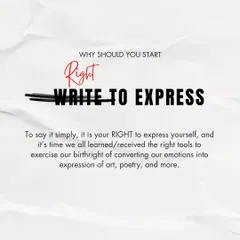
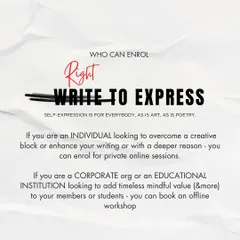
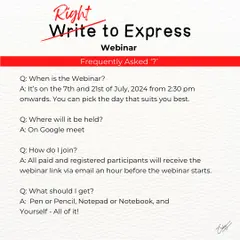
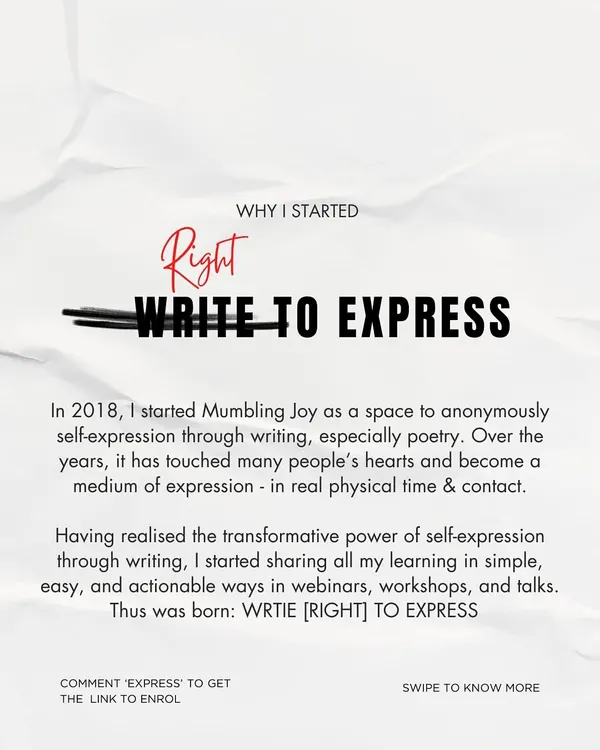
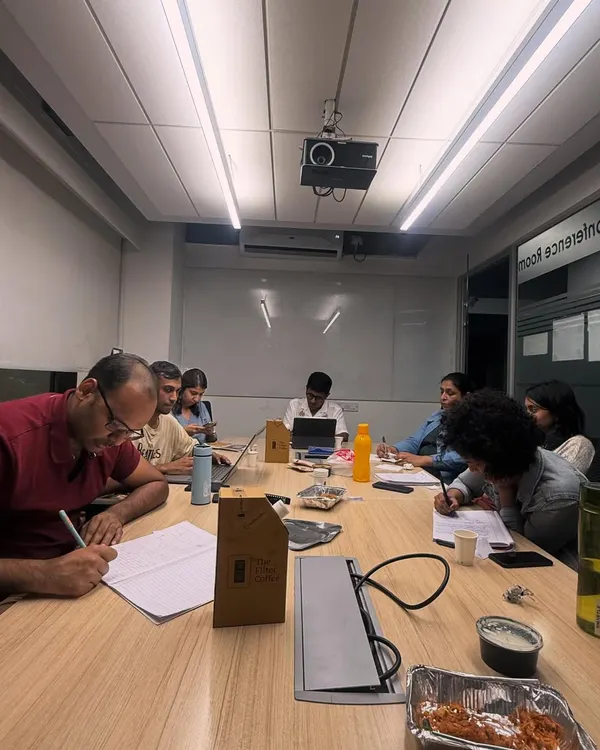
Write to Express Creative Writing Workshops
 40
40
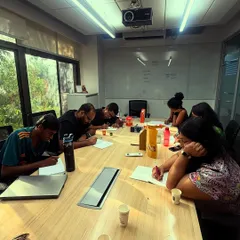
Inside Our Creative Writing Workshops
 9
9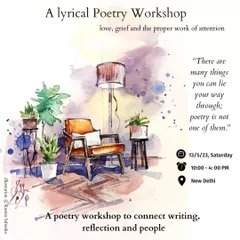
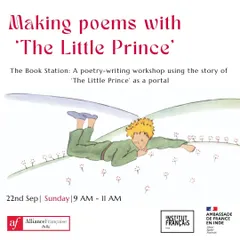
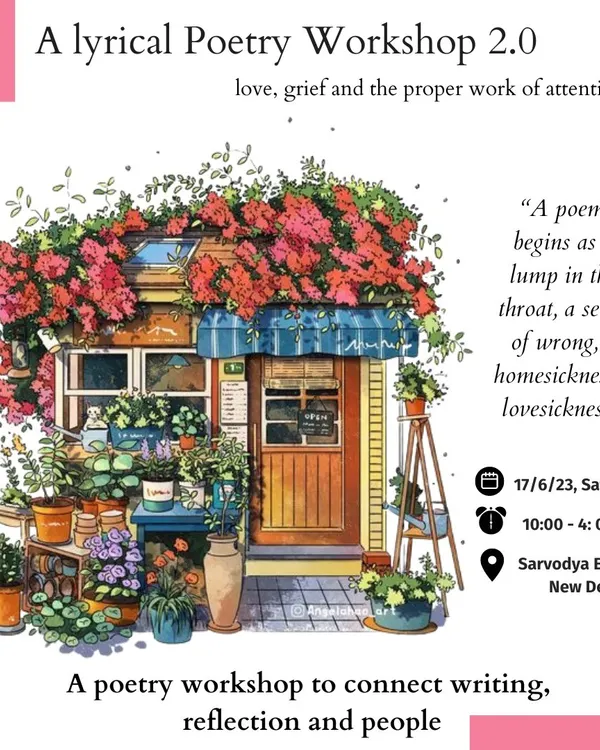
Immersive Poetry Writing Workshops
English Calligraphy & Creative Lettering
Master the Art of Calligraphy and Beautiful Lettering
Confident Writers: Creative English & Grammar (Grades 3–10)
More from Creative Writing Classes by Nitima
More services by Nitima