Solar Technology & Build Quality: Built to Last 25 Years
Don't just pick any solar panel. See how we use robust GI structures and bifacial technology to ensure your setup withstands Delhi's weather and saves you money for decades.
A close-up of the 1.5-foot slab foundation I build for every structure. This ensures your solar plant is strong and stable for decades. The GI structure is guaranteed rust-free for 25 years.
The structure is not just strong, it's designed to handle wind pressure of up to 180 km/hr. The Ksolare inverter efficiently converts DC power to AC for your home.
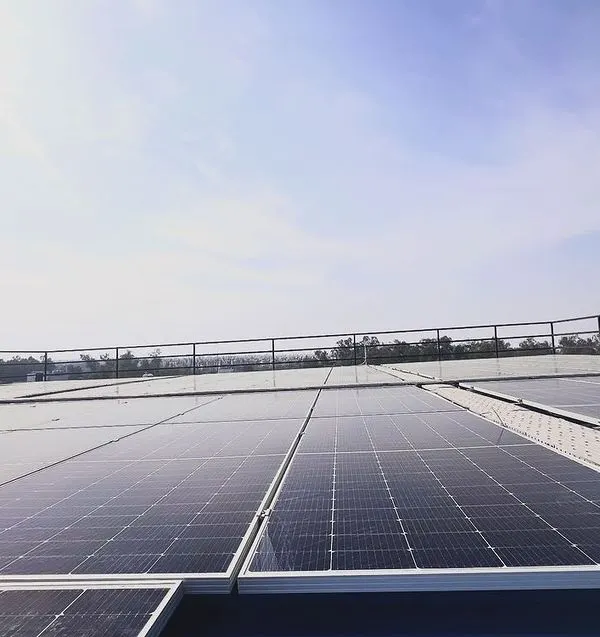
This is our 8kW on-grid solar plant in Vasant Kunj, featuring Vikram bifacial panels. These panels are amazing because they generate electricity from both sides, maximizing your output.
Double power, double savings. Bifacial solar panels absorb sunlight from both the top and bottom, giving you more efficiency, more power, and more savings.
Bifacial panels are the superstars of solar technology. They give you up to 30% more electricity, which means more savings and a smaller carbon footprint.
I offer different types of panels to suit your needs. Monocrystalline panels, like this one, are highly efficient and have a sleek black design, perfect for homes with limited roof space.
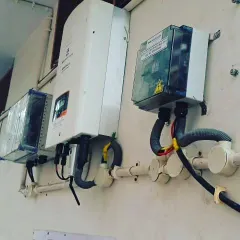
The inverter is the brain of your solar system. I'll help you choose the right type, whether it's an on-grid, off-grid, or hybrid inverter, to match your energy needs.
An on-grid inverter, like this Growatt model, is connected to the power grid. It's ideal for areas with reliable power as it sends excess energy back to the grid for credits.
An off-grid inverter is for complete energy independence. It requires batteries to store solar energy, making it perfect for remote locations or areas with frequent power cuts.
A hybrid inverter gives you the best of both worlds. It uses both batteries and a grid connection, providing backup during outages and flexibility for energy independence.
About Our Technology & Build Quality
Most people only look at the solar panels, but the real test is the structure underneath. I use hot-dipped galvanized iron (GI) frames and a 1.5-foot concrete foundation for every install. This is not just about holding the panels, it is about ensuring your system stays rock solid against Delhi's high wind speeds and does not rust, even after 25 years of standing on your roof.
At Thermosun, I believe a solar plant is only as good as the tech that powers it. It is not just about slapping some panels on the roof; it is about engineering that works for the long haul.
The Hardware that Lasts
- Bifacial Technology: Standard panels catch sunlight from the top, but my bifacial setups grab light from both sides. This gives you up to 30% more power generation, meaning your electricity savings shoot up without needing extra space.
- Built for Delhi's Weather: We use Grade-A Galvanized Iron (GI) structures. In Delhi’s heat and humidity, cheap iron rusts in a year. My structures are rust-free, guaranteed for 25 years, and engineered to withstand wind speeds of up to 180 km/hr.
- Smart Power Conversion: Your inverter is the brain of the system. Whether it is an on-grid setup for standard net-metering or a hybrid system for power backup, I match the inverter to your specific energy habits. Every installation includes safety essentials like lightning arresters and chemical earthing, so your home is protected during storms.
Why Quality Matters for Subsidies
Don't fall for local 'jugaad' setups. Every product we use is certified, and my team ensures the installation meets the rigorous standards required for government subsidy eligibility on the PM Surya Ghar portal. When you choose us, you are getting tech that is verified, durable, and fully compliant.
Similar work from other experts
Browse through Curated picks from other experts on mytribe
 7
7
Solar Technology and Equipment Quality
 4
4
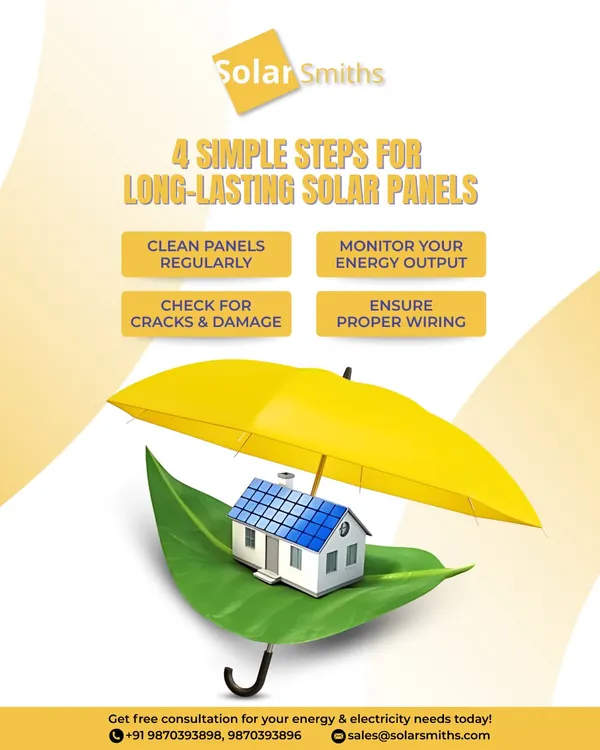
Expert Solar Panel Maintenance and Cleaning Services
 10
10
Rooftop Solar Installation for Homes and Businesses
 7
7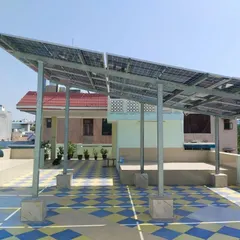
Solar Power Systems Installed by T4 Solar Services
 8
8
Solar Panel Maintenance and Performance Boost
More from Solar Carport & Elevated Structure Installation by Thermosun
More services by Thermosun