The Science Behind EMS Training
EMS isn't just a 20-minute shortcut. It is a precise system based on muscle recruitment and strict safety protocols. Learn how we train to get results without compromise.
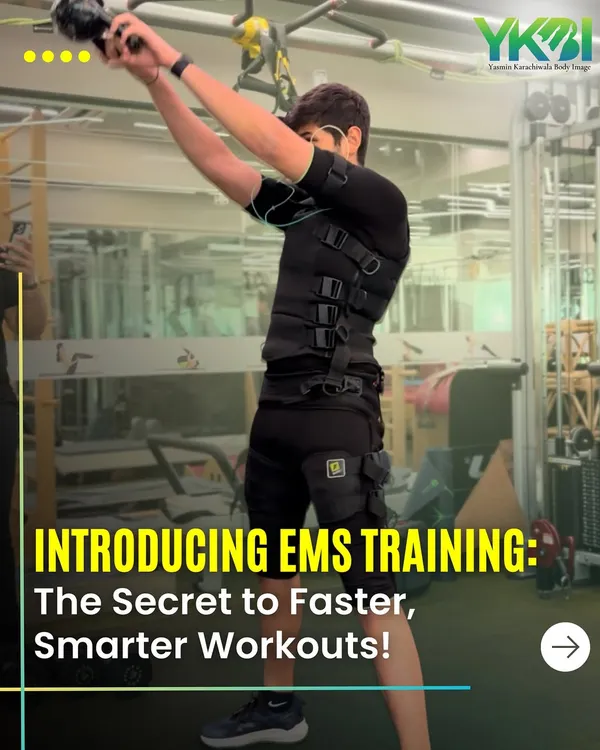
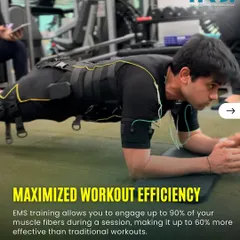
Here is a core concept we will explore: the science of muscle recruitment. Understanding that EMS can activate up to 93% of muscle fibers, compared to 40-60% in conventional training, is key to designing effective programs.
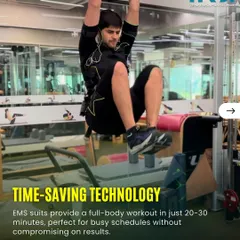
Why are EMS sessions only 20 minutes long? I explain the science behind the intensity and why this duration is optimal for results while preventing muscle fatigue and potential medical issues like rhabdomyolysis.
We debunk the "more is better" myth. Overtraining is a real risk, and I explain the signs and the serious medical conditions it can lead to, emphasizing the importance of rest, recovery, and smart programming.
This infographic details the official German safety standard for EMS. It specifies that a trainer must be within 1.2 meters of the client and control unit, making wired systems essential for safe commercial use.
Safety is our top priority. I will walk you through the official German DIN standards for EMS, explaining why wired systems are crucial for commercial safety, a detail that distinguishes a true professional.
EMS is a powerful tool for modern health challenges. I discuss how EMS training can be a go to exercise to complement weight loss treatments by boosting metabolic rate and improving muscle tone.
About The Science Behind EMS: Train Smarter
We operate strictly by German DIN 33961-5 safety standards. Unlike wireless systems that allow for distance, we mandate wired EMS setups because they ensure the trainer is always within the required 1.2-meter radius. This one-second proximity rule is not optional—it is a critical safety factor for commercial operation and injury prevention.
Muscle Recruitment and Intensity
Conventional resistance training typically fires 40 to 60 percent of your muscle fibers. Through Electrical Muscle Stimulation, we can recruit up to 93 percent of muscle fibers simultaneously. This is not about training 'more'—it is about training more efficiently. Because the intensity is significantly higher than standard lifting, we strictly adhere to 20-minute session limits to prevent muscle fatigue and risks like rhabdomyolysis.
The German Safety Standard
Our approach is anchored in the DIN 33961-5 standard. When you train with us, you learn why wired consoles are essential. The standard dictates that a trainer must be able to reach the control unit and the client within one second. Wireless systems often create a distance that prevents this immediate intervention, which is why we do not compromise on cable connectivity in our studio or our curriculum.
Why This Certification Matters
This is not a generic workshop. Led personally by Samir Purohit, our two-day intensive program in Mumbai focuses on:
- Physiology & Physics: Understanding impulse width, frequency, and ramp time.
- Risk Management: Screening for contraindications and setting safe current loads.
- Session Design: Building effective workouts for fat loss, endurance, and rehabilitation.
You will earn an internationally recognized license through our partnership with GluckerKolleg, Germany. Whether you are a fitness trainer, a physiotherapist, or a wellness enthusiast, this course gives you the technical foundation to move beyond the hype and practice EMS responsibly.
Similar work from other experts
Browse through Curated picks from other experts on mytribe
 8
8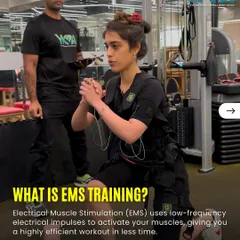
EMS: Smarter, Faster Workouts
Master Your Workout Technique
Scientific Fitness: Biomechanics & Form Explained
Master Your Lift: Expert Technique Guides for Real Strength
Training Technique and Injury Prevention
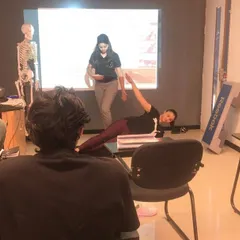
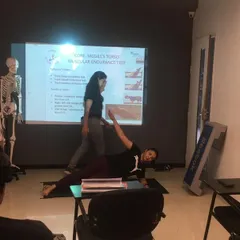
The Science Behind the Reps: Professional Anatomy Training
More from EMS Trainer Certification Course by The Pilates Studio by Namrata Purohit
More services by The Pilates Studio by Namrata Purohit