Building Reading and Writing Fluency for Students
Once kids get the hang of phonics, we bridge the gap between decoding words and expressing thoughts clearly. I help students structure their ideas into confident sentences and creative paragraphs.
Watch Prabhjeet read a full paragraph aloud, developing his fluency and expression. My role is to provide gentle, real-time corrections on words like 'objects' to ensure he not only reads but also understands and pronounces correctly.
This clip from an online class shows a student reading a story about a library. This exercise is not just about reading words; it's about building comprehension and practicing fluent reading in a supportive, guided environment.
Success builds confidence. Here, a student has perfectly completed a 'fill in the blanks' exercise, correctly identifying words with the 'ee' sound. This shows a great understanding of both vocabulary and context.
We teach students how to organize their thoughts into clear and concise paragraphs. This online lesson focuses on combining simple sentences into a more structured and descriptive piece of writing, a crucial skill for older students.
Practical writing is a life skill. In this session, we are learning the difference between informal letter writing, like thanking an uncle for a gift, and formal letter writing, such as an application to a school principal.
A proud student shows off his notebook filled with his own writing. Our goal is to make children feel confident and accomplished in their English skills, and seeing their progress on paper is a wonderful motivator.
About From Reading to Writing: Building Fluency
I don't just ask kids to copy from textbooks. If we read a paragraph, we discuss the characters and themes first, then write three sentences about what we liked. Bas samajh ke seekho (just learn by understanding)—we focus on the logic of sentence construction rather than rote memorization.
After phonics comes the real challenge: using those skills to communicate. In my classes, we move beyond simple sounds to structured language usage.
Moving from Reading to Writing
Reading is the input and writing is the output. When we practice reading, we don't just check for speed. We look for comprehension. If a child is reading a passage about a library, we stop to ask, 'Why do we visit a library?' This builds critical thinking alongside vocabulary.
Step-by-Step Writing Structure
I break writing down into manageable steps so children don't feel overwhelmed:
- Sentence Building: We start by combining simple thoughts into descriptive sentences.
- Paragraph Composition: I teach students how to organize ideas, ensuring a beginning, middle, and end.
- Formal vs. Informal: We practice the distinct styles needed for an informal letter to an uncle versus a formal application to a school principal.
Why This Works
Students often struggle with English because they are taught to cram grammar rules. In my sessions, we focus on the logic. Whether it is understanding the usage of 'either' versus 'neither' or practicing punctuation, I explain the 'why' before we write. My goal is to ensure students have the vocabulary and grammar foundation to write school essays and personal reflections with ease.
Similar work from other experts
Browse through Curated picks from other experts on mytribe
Early Reading & Writing Programs for Kids

Building Confident Readers Through Multi-Sensory Methods
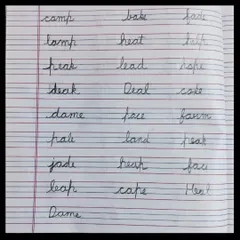
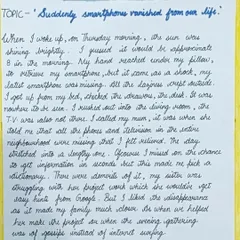
From Practice Pages to Proud Stories: Handwriting Transformation
Phonics and Early Reading Programs for Kids
Confident Writers: Creative English & Grammar (Grades 3–10)
 6
6
English Communication & Creative Writing Classes for Kids
More from English Language & Literacy by The Kaur's Academy
More services by The Kaur's Academy