Understanding Your Relationship Patterns
Why do you keep choosing the same type of person? Your subconscious is running an old program. Let’s identify your attachment wounds and start rewriting the code.
Why do smart people make "irrational" relationship choices? Because your emotional brain, which runs on an old survival program, is in the driver's seat. To change your patterns, you have to heal your attachment blueprint, not just "think" your way out of it.
Your attachment style is either attracting or repelling your soulmate. This video breaks down the four main styles: secure, anxious, avoidant, and disorganized. Understanding your style is not about labeling yourself, but about knowing where you can grow.
If you constantly settle for less than you deserve, it might be connected to the "mother wound." This video explores how our earliest relationship with our mother can define our self-worth and how we can begin to reparent ourselves.
You've been lied to about soulmates. That "chemistry" you feel is often your nervous system on high alert, confusing a trauma response with passion. Healthy love feels calm and safe, not like a rollercoaster.
Did you know? Your trauma responses are often disguised as preferences. This is the start of a carousel that helps you identify these patterns.
Reality Check: You think "They're so passionate," but intensity isn't intimacy. Emotional volatility isn't depth. Drama isn't love.
Reality Check: You think "They need me," but being needed isn't the same as being loved. Codependency isn't connection.
Your subconscious is running a program you didn't even install. This is the introduction to a series on subconscious programming.
The Familiarity Trap: You're not attracted to what's good for you, you're attracted to what feels familiar. If chaos felt like love growing up, stability will feel boring.
The Validation Wound: You choose people who make you work for their approval because that's the first love language you learned.
About Understanding Your Relationship Patterns
You aren't just 'bad at dating' or unlucky in love. Your nervous system is hardwired to seek what feels familiar, which often means you are subconsciously choosing partners who replicate the exact wounds you learned as a child. Whether you are dealing with abandonment issues or constant people-pleasing, these are not character flaws. They are sophisticated survival strategies that kept you safe once but are now blocking you from the healthy love you actually want.
Why You Get Stuck
Most people think their relationship issues are about finding the right person. In reality, your adult relationships are a direct reflection of your earliest experiences. If you grew up in an environment where love was conditional, chaotic, or absent, your brain learned to associate that intensity with safety.
This is the 'Familiarity Trap.' When you encounter a healthy, stable partner, your nervous system might mistake the lack of drama for boredom or disinterest. Conversely, you might find yourself attracted to volatile partners because the rush of anxiety feels like 'passion.'
Identifying Your Patterns
We don't guess what's going on—we look at your blueprint:
- The Anxious Attachment: You crave closeness but fear being left. You often mistake anxiety for intimacy.
- The Avoidant Attachment: You value independence so much that you pull away when things get real. You often mistake space for safety.
- The Wounds: Whether it is the Rejection Wound (making you a people-pleaser), the Abandonment Wound (leading to extreme jealousy), or the Betrayal Wound (causing you to put up emotional walls), these are all programs that can be rewritten.
Moving from Awareness to Action
Understanding these patterns intellectually is just the start. You cannot 'think' your way out of a trauma response. My work focuses on somatic release and emotional regulation, helping you move from the survival-based habits of the past to a place of secure attachment. We look at the 'why' behind your choices so you can stop repeating them and start choosing yourself.
Similar work from other experts
Browse through Curated picks from other experts on mytribe
Understanding Karma & Relationships
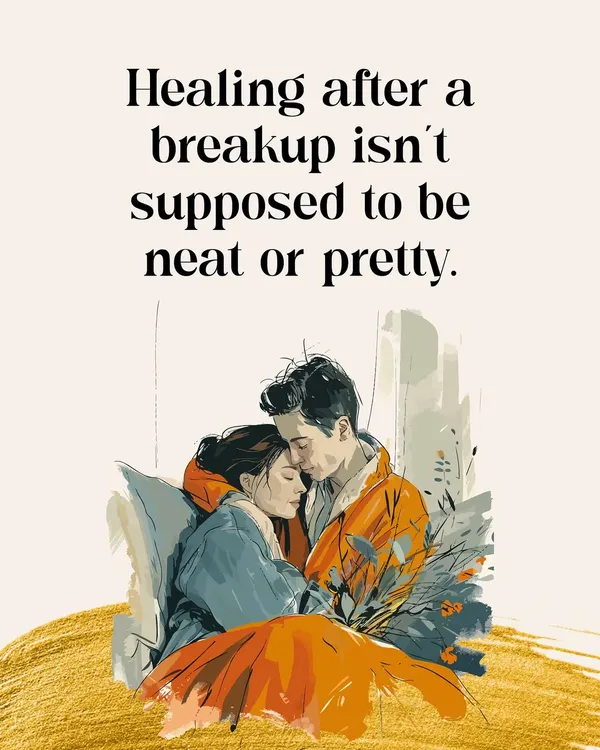 19
19
The Healing Journey: From Heartbreak to Hope
Healing Toxic Patterns & Relationships with Tarot
My Coaching Approach: The Inner Work for Lasting Relationships
Breaking Free from Toxic Relationships
Love & Relationship Guidance: Brutally Honest Tarot Insights
More from Relationship Workshops & Retreats by Ayushi Mathur Dua
More services by Ayushi Mathur Dua