Solar Energy Explained: Simple Facts & Tips
Confused by solar jargon or worried about upfront costs? I am Arvind from Sunrise Dynamic Solar. Let’s clear the air on how solar really works for your home—no marketing fluff, just the facts.
Did you know solar panels can significantly reduce your energy bills while combating climate change? This video explains how they convert sunlight into electricity, making them an eco-friendly investment in a sustainable future.
Ever wondered about the technology behind solar panels? This quick video breaks down how photovoltaic cells work to capture sunlight and convert it into usable electricity for your home.
Eco-friendly living is easier than you think. This video explains how solar panels reduce your reliance on fossil fuels and can lower your energy bills, making sustainability an achievable goal.
Are you tired of rising energy bills? This video shows how making the switch to solar energy allows you to start saving money from day one while reducing your carbon footprint.
This montage showcases the process of harnessing green energy, from technicians installing panels on a rooftop to the final, clean power they generate. It's a quick look at the journey to energy independence.
It's important to know how to check the performance of your solar system. Regular monitoring helps ensure you're getting the expected output and allows us to identify any maintenance needs proactively.
About Solar Explained: Quick Facts & Tips
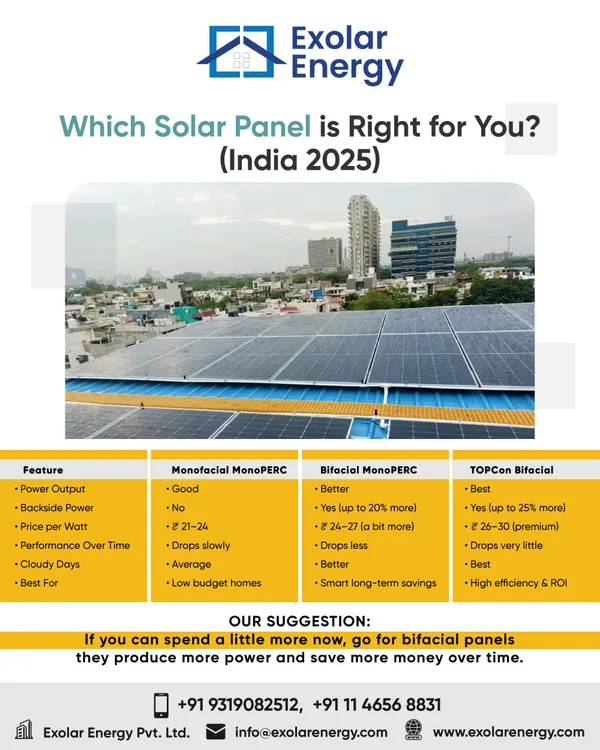
Many people think solar is only for large commercial buildings or that it stops working entirely during Delhi's smoggy winters. The reality is quite different. A well-sized on-grid system starts offsetting your electricity bill from the very first month, even on cloudy days. It is not just about installing panels on your roof; it is about choosing the right capacity that perfectly matches your monthly consumption so you are not paying for electricity you do not actually use.
How Solar Actually Works for Homes
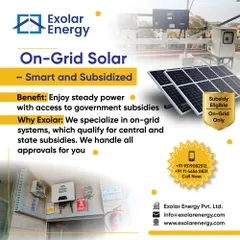
Most residential setups I install are On-Grid systems. Think of it this way: your panels capture sunlight and convert it into electricity to run your lights, ACs, and fridge. If you generate more power than you need, the excess goes back to the grid, and your electricity meter actually runs backwards. This is called Net Metering, and it is how you get those zero-rupee bills.
Busting the Myths
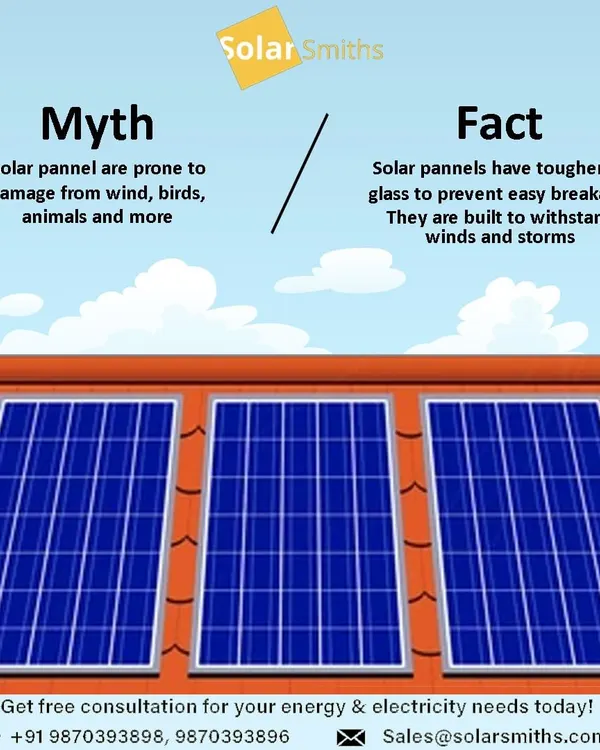
- "It doesn't work in winter": Panels need light, not just direct heat. They work perfectly fine on hazy days, though output might drop slightly compared to a peak summer day.
- "Maintenance is a headache": If you keep the glass clean and ensure the wiring is secure, a solar plant is extremely low-maintenance.
- "It is too expensive": With government subsidies and various EMI options, the system often pays for itself in savings within 3 to 5 years. It is an investment, not an expense.
My Process: From Confusion to Clarity
- Bill Analysis: I start by looking at your last three electricity bills. This tells me exactly how much power you consume and what size plant you need.
- Site Visit: We check your roof's shadow-free area. No point putting panels where they won't get sun.
- Subsidy Guidance: I handle the paperwork to ensure you get the government benefits you are entitled to.
- Installation: My team ensures the structure is sturdy and the cabling is neat. We don't just dump panels on your roof.
Before you commit, let's just look at your bill. You will know exactly how much you can save before you spend a single rupee.
Similar work from other experts
Browse through Curated picks from other experts on mytribe
Solar 101: Everything You Need to Know About Going Solar
 7
7
Busting Common Solar Myths
 40
40
Solar Education Hub
 7
7
Reliable Solar Panel Installation for Homes and Businesses
 6
6
Reduce your electricity bills with custom rooftop solar systems
 7
7
Solar Power Systems Installed by T4 Solar Services
More from Solar System Maintenance by Sunrise Dynamic Solar
More services by Sunrise Dynamic Solar