Behind the Art: My Organic Henna Process
Ever wondered how an intricate mehendi design actually comes to life? I am peeling back the curtain on my process, from sketching the first lines to achieving that deep, dark stain.
A little henna artist humor. I always advise my clients to let the paste dry naturally and avoid water for as long as possible to get the best stain.
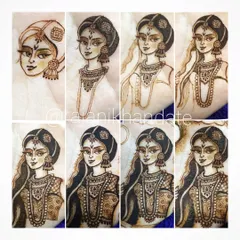
This video shows the evolution of a design, from the initial outline with a pen to the final, filled-in henna application. It's a fun look at how a design comes to life.
For me, henna is therapy. This video shows me practicing my art, creating a design for a client, and even doing a small henna for a child. It's my passion.
A glimpse into a festive mehendi setup and the intricate bridal henna I created for the event.
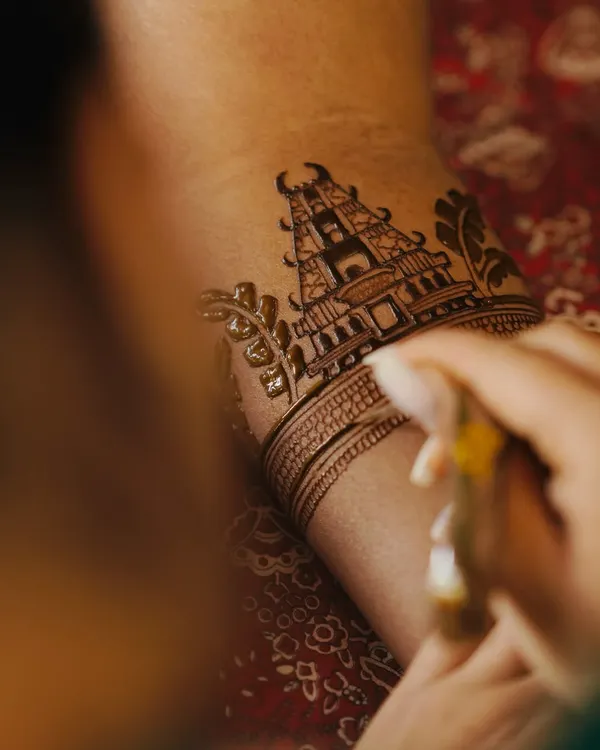
A close-up of some intricate work on the arm. I love filling spaces with delicate patterns like these.
A simple and elegant feet henna design. This look features a lotus motif on the top of the foot with delicate netting on the toes.
A semi-bridal design with intricate details on the fingers and a beautiful checkerboard pattern on the back of the hand.
A classic bridal henna design with bands of geometric and traditional patterns. This style is timeless and always looks elegant.
About Behind the Art
People often ask why my henna takes time to set, or if they can wash it off within an hour. The secret isn't a chemical accelerator, it's patience and the sugar-lemon sealant I apply. Real organic henna needs to stay on your skin for at least 6 to 8 hours to reach its peak color, so please do not rush the process if you want that rich, deep stain for your big day.
My Commitment to Organic Henna
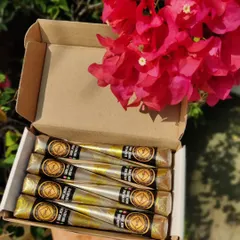
I believe that what you put on your skin matters. That is why I never use pre-made or chemical-laden cones. Every cone I use is handmade by me using 100% organic henna powder, essential oils like clove or eucalyptus, and natural sugar. It is safer, it smells wonderful, and most importantly, it gives you that deep, rich stain that every bride dreams of.
The Art of the Process
For me, henna is not just kaam (work); it is therapy. When I start a design, I treat your skin like a blank canvas. Whether we are doing a dense bridal motif or a delicate Arabic vine, the process is rhythmic and meditative.
- The Sketch: We start with the placement. I often sketch the main flow directly on the skin to ensure the symmetry is perfect for your hands or feet.
- The Application: This is where the magic happens. I use varying line weights to create a 3D effect, building depth with intricate jaali (grid) work and bold paisley fillers.
- The Sealant: Once the design is done, I apply a lemon-sugar mix. This keeps the henna moist, allowing the lawsone (the dye molecule) to penetrate deeper into the skin layers.
Aftercare for the Best Stain
If you want that dark mahogany color, the aftercare is 50% of the work. Avoid water for at least 6 to 8 hours after application. Once the henna dries and flakes off naturally, keep your hands warm and avoid harsh detergents for the first 24 hours. I always share these secrets with my brides in Bangalore, because your joy when the color develops on the next day is the best part of my job.
Similar work from other experts
Browse through Curated picks from other experts on mytribe
Behind the Scenes: My Mehendi Process
The Art of Precision Mehendi
 11
11
Inside My Mehendi Process in Bangalore
Mehendi Application Process and Techniques
Behind the Scenes: The Art of Hand-Drawn Mehndi
Behind the Art: My Organic Henna Process
More from Bridal Henna by Henna Tales
More services by Henna Tales