The Architect's Gaze: Finding Stories in the Streets
My design process begins on the street, where observation and memory guide the way. I find inspiration in the everyday rhythms of cities to create buildings that truly belong.
An old building in the Majumdar Wada of Vadodara. Structures like these are repositories of memory and vernacular building traditions, offering crucial lessons in climate response and the graceful aging of materials.
Taking a moment to observe a flower vendor in the old city of Tiruchirappalli. The informal economies and daily rituals of street life are the true choreographers of public space.
Walking through the historic streets near the Tiruchirappalli Rock Fort with local architects. Understanding a place begins with walking its ground and listening to its stories.
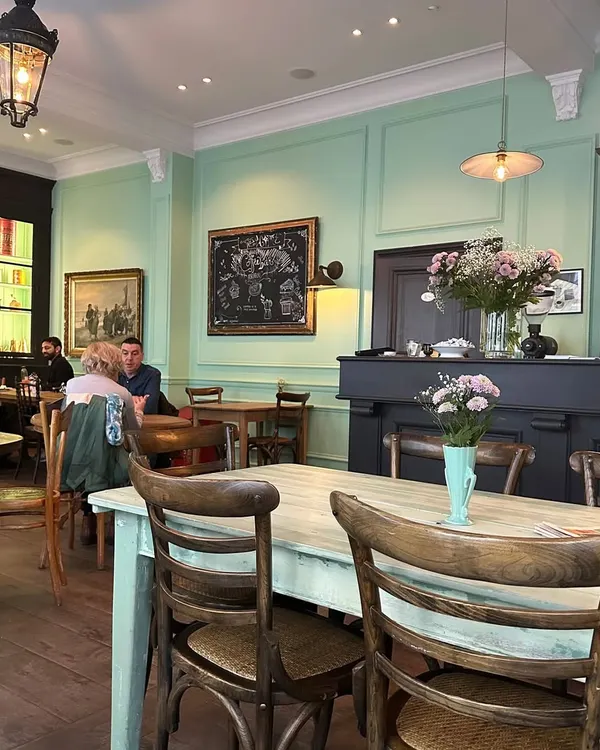
Sharing a morning filter coffee in a local establishment. Engaging with a city on its own terms, away from the drawing board, is an essential part of my research process.
A devotee offers a prayer before a temple in Tiruchirappalli. The interplay of the sacred and the everyday is a defining characteristic of Indian urbanism that deeply influences my work.
A narrow residential lane reveals layers of incremental additions and adaptations over time. This organic growth creates a complex and visually rich urban fabric that is full of design lessons.
The vibrant colors and bold forms of a small neighborhood shrine. These elements of folk art and local expression contribute to the unique character and identity of a place.
A view of a temple with the Rock Fort in the background. The layering of history, topography, and architecture in a single frame is a constant source of inspiration for creating contextually rich designs.
A traditional kolam or rangoli drawn on the pavement. This ephemeral art form is a daily act of placemaking, transforming a simple sidewalk into a threshold of beauty and welcome.
About The Architect's Gaze: Finding Stories in the Streets
Before a single line is drawn on paper, I spend time walking the site to uncover its hidden narratives. It is in the dialogue with the street—observing how a kolam is drawn, or how a neighborhood shrine sits in the urban fabric—that the project finds its true beginning.
Architecture for me is an act of translation. When I visit sites like the historic wadas of Vadodara or the vibrant corners of Tiruchirappalli, I am not just looking for aesthetic inspiration. I am studying how a city ages, how its people use space, and where the layers of memory are strongest. This observational practice informs my approach to everything from urban master planning to the sensitive restoration of heritage buildings.
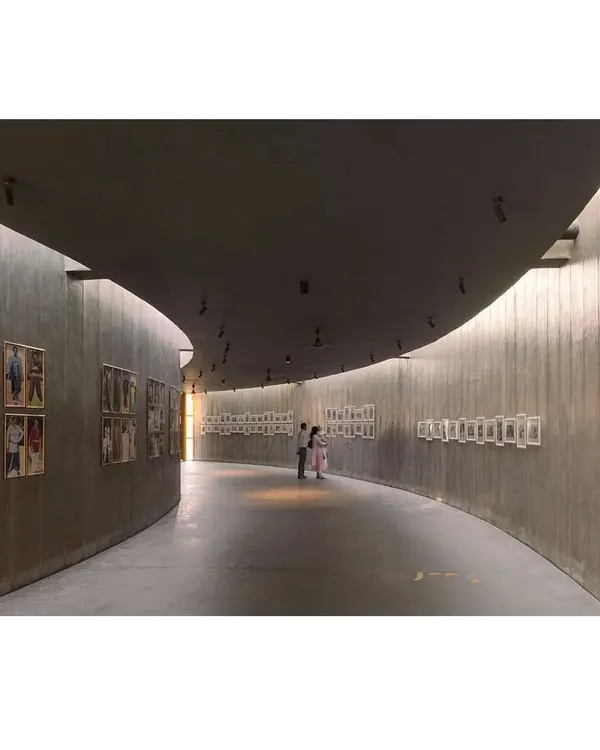
My process is collaborative, often involving fellow architects and thinkers in intense design charrettes. We treat the site as a living participant. Whether we are designing a cultural museum, a memorial, or an urban park, we prioritize adaptive reuse, structural integrity, and inclusive accessibility. We ask: How does this structure interact with the street? How does it respect the existing green cover? We believe that by listening to the site first, we create spaces that serve the community long-term, rather than imposing a design that ignores the local context. Our studio in Koramangala is where these observations, sketches, and dialogues are synthesized into built environments.
Similar work from other experts
Browse through Curated picks from other experts on mytribe
Behind the Design: My Process and Philosophy
 8
8
Architectural Design Inspired by Global Perspectives
 8
8
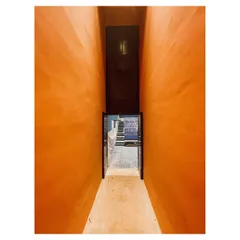
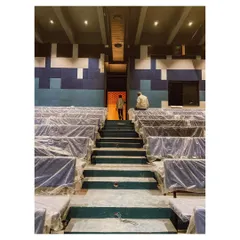
Public & Cultural Architecture
 8
8
Featured Architectural Projects and Design Philosophy
 26
26
Architectural Stories of the City
 17
17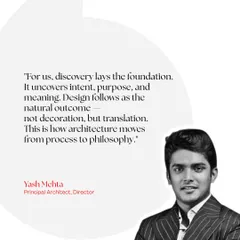
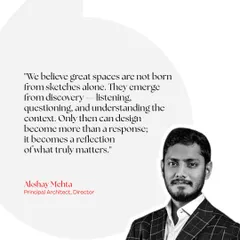
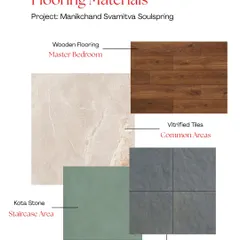
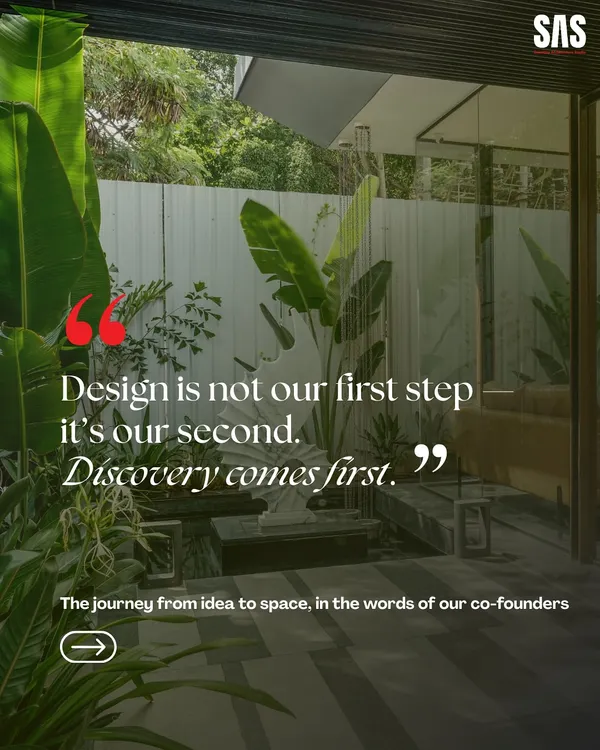
From Discovery to Design
Find the right design expertise
Search for specific architectural services or project types.
More from Public Architecture & Urban Design by Soumitro Ghosh
More services by Soumitro Ghosh