Architecture for the Museum of Art & Photography (MAP)
A public space in Bengaluru that weaves art, culture, and community together through inclusive, accessible design.
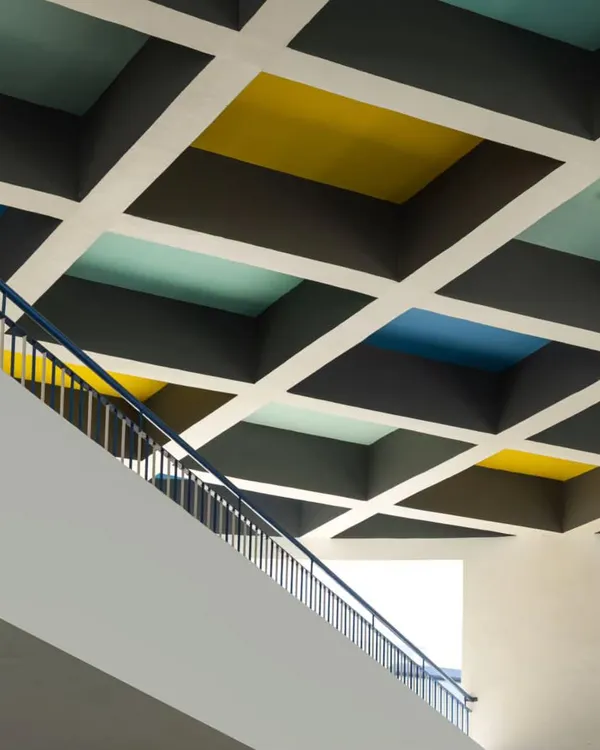
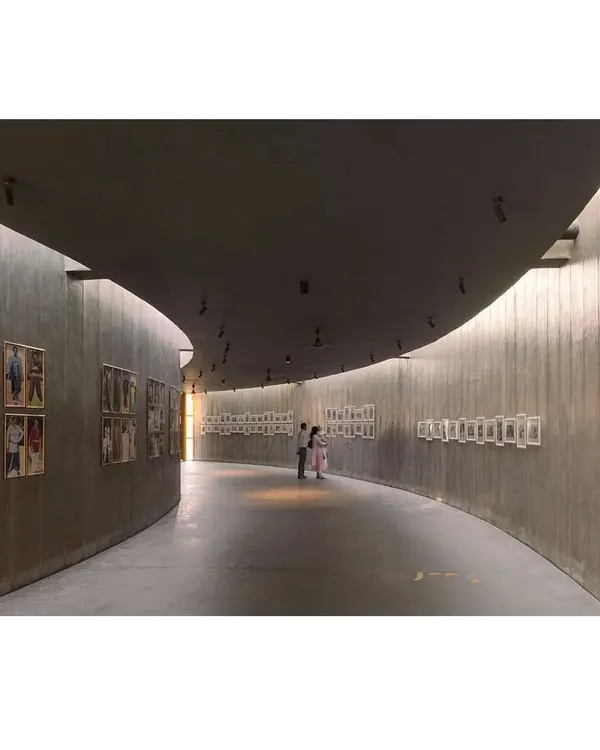
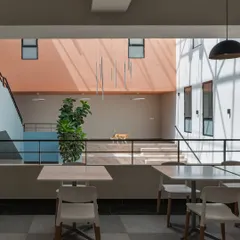
A glimpse into the interior galleries and circulation spaces of MAP. The design uses natural light and open sightlines to connect the art with the architecture and the city outside, creating a dynamic experience for visitors.
Guiding visitors through the museum is an essential part of my role as an architect. These walkthroughs are a dialogue, explaining how the building's design enhances the experience of the art it houses.
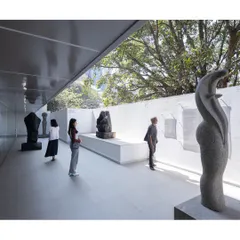
The sculpture court at MAP, featuring work by Stephen Cox, is designed as a transitional space between the city street and the museum interior. It makes art accessible to the public, blurring the lines between inside and outside.
Another view of a Stephen Cox sculpture, where the texture of the stone interacts with the light and the architectural materials of the museum. This interplay between art and its container is central to the design.
The artist Stephen Cox himself tending to his sculpture before the museum preview. This highlights the deep collaboration between artist and architect required to create a truly integrated cultural space.
A sculpture set against a bed of marigolds for the museum's opening. This juxtaposition of contemporary art with traditional elements reflects the museum's mission to bridge historical and modern Indian culture.
A powerful wooden sculpture by artist L.N. Tallur commands the gallery space. The architecture is intentionally restrained here to serve as a quiet, supportive backdrop for such significant works of art.
Artist L.N. Tallur standing with his work inside a gallery at MAP. The success of a museum's architecture can be measured by how well it serves the vision of the artists whose work it protects and displays.
Artist Tarik Currimbhoy speaks beside his polished steel sculpture at the museum's entrance. The reflective surface of the artwork captures the movement of the city, creating a living connection to the urban environment.
This video shows the dynamic reflections on Tarik Currimbhoy's sculpture, demonstrating how art can animate a space. The architecture provides a frame for this constant, fluid interaction with light and movement.
About Museum of Art & Photography (MAP), Bengaluru
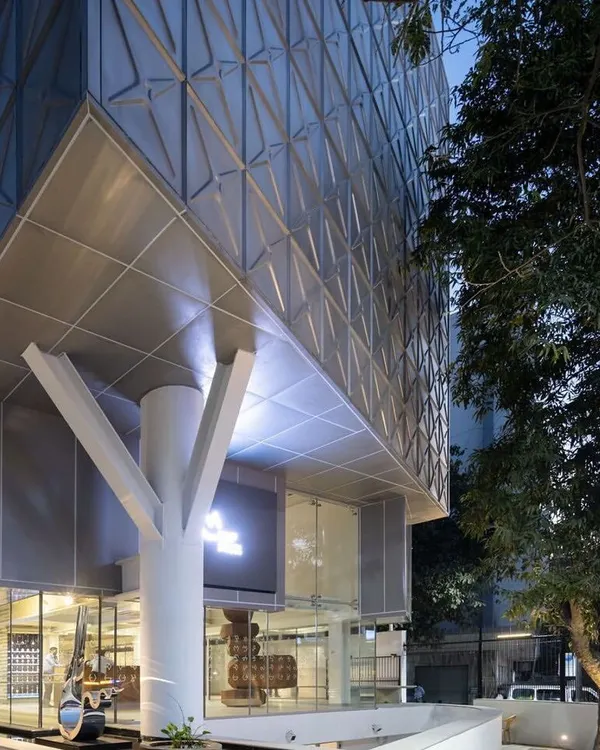
The architecture of the Museum of Art & Photography was conceived as a public space where the city and art meet. We focused on creating a sculpture court that acts as a transition, softening the boundary between the busy streets of Bengaluru and the stillness required for viewing art, while using material choices like exposed concrete and metal to frame the exhibits rather than dominate them.
Designing for cultural institutions requires an understanding of how light, volume, and public movement interact. At MAP, our goal was to build a place that felt like an extension of the city. We incorporated a sculpture court that welcomes passersby, making the entrance a natural extension of the public realm. The galleries themselves are designed to be flexible, supporting everything from static paintings to large-scale installations.
We worked closely with artists like Stephen Cox and Arik Levy, ensuring the structural elements—such as the steel exoskeletons and unique lighting systems—provided a supportive container for their work. This project was not just about building walls; it was about defining the relationship between the observer and the object. Our process at Mathew & Ghosh Architects involves deep investigation into site topography and social fabric, which allows us to produce buildings that serve as memorials to memory and catalysts for modern civic life.
Similar work from other experts
Browse through Curated picks from other experts on mytribe
 66
66
The Architecture of MAP: A Cultural Landmark in Bengaluru
 31
31
Institutional and Public Architecture: Designing for Community
 37
37
Public and Community Spaces Design
Cultural and Civic Architecture for Public Spaces
 8
8
Public & Cultural Architecture
 58
58
Public & Community Architecture for Social Impact
Explore our other architectural work
Find specific projects or services that interest you.
More from Public Architecture & Urban Design by Soumitro Ghosh
More services by Soumitro Ghosh