Architectural Observations and Urban Context
Design is not a solitary act; it is a response to the city. These observations from Tiruchirappalli capture the seamless integration of the sacred and the everyday, which forms the basis of my approach to context-driven architecture.
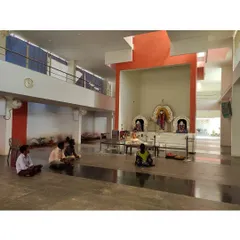
A man prays before a temple in Tiruchirappalli. The spiritual life of a city is deeply embedded in its physical form, a connection I seek to honor in my work.
Colorful statues adorn a simple building. These small details and expressions of local culture contribute to the rich tapestry of the urban environment.
A street scene in front of a temple, capturing a moment of daily life. Public architecture must provide a backdrop for these unscripted interactions.
A temple street in Tiruchirappalli, showing the integration of religious and commercial life. This mixed use character is a hallmark of vibrant, traditional urbanism.
About Additional Work & Engagements
In my practice, I look at the Tiruchirappalli temple street not as a static backdrop, but as a lesson in urban layering. The way religious and commercial activities coexist here teaches us how to design buildings that integrate into the existing fabric rather than disrupting it. I apply this same observational rigour to every site I visit, ensuring that your space, whether an office or a home, honors its context and holds its own story.
Architecture is essentially the art of making spaces that belong. When I engage with a site, I am not just looking at the land. I am listening to the memory of the place.
The Importance of Context
Most contemporary urban design fails because it ignores the history and the layers of activity that already exist. Whether I am working on a museum in Bengaluru or a memorial park, my first step is always mapping the human movement. This ensures the design serves the people who will actually use the space, rather than just satisfying an aesthetic requirement.
My Design Methodology
- Site Ethnography: Before a single line is drawn, I study the existing pathways, the flora, and the social habits of the site.
- Adaptive Reuse: I prioritize working with what is already there. The most sustainable building is one that we adapt rather than demolish.
- Narrative Architecture: Every building should tell a story. I incorporate materials and textures that resonate with the site's heritage, moving away from generic, globalized design trends.
If you are looking for an architect who values the slow, thoughtful process of understanding a site's true potential, let us talk about your requirements.
Similar work from other experts
Browse through Curated picks from other experts on mytribe
 8
8
Featured Architectural Projects and Design Philosophy
 16
16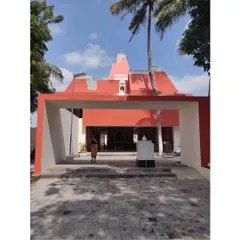
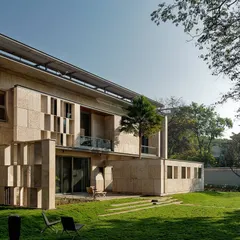
Diverse Projects and Architectural Explorations
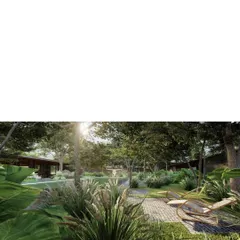
Design Explorations and Architectural Snippets
Our Studio Culture and Creative Process
Our Architectural Design Philosophy
Our Studio, Philosophy & Collaborative Practice
More from Public Architecture & Urban Design by Soumitro Ghosh
More services by Soumitro Ghosh