Socially Responsible Design in Bengaluru
I view architecture as a tool for inclusivity. My practice focuses on creating spaces that serve real human needs, from the adaptive reuse of public structures to the design of barrier-free environments.
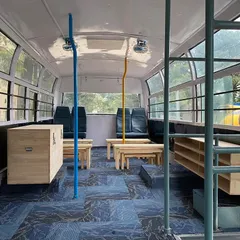
The "Wonder on Wheels" project involved converting a bus into a mobile classroom. This is a prime example of adaptive reuse, where we give an existing structure a new life and purpose to serve a community need.
An audience listens during a conference on "Inclusion in Cultural Organisations" held at MAP. Designing public architecture carries a social responsibility to create spaces that are welcoming and functional for everyone.
The programming schedule for the conference on inclusion, where I participated as a panelist. Discussing barrier free environments is critical to ensuring accessibility is a core tenet of design, not an afterthought.
A sign language interpreter at the conference on making arts accessible. This visual is a powerful reminder that inclusive design must consider a wide spectrum of human experience and ability.
About Socially Responsible Design
For projects like our 'Wonder on Wheels' mobile classroom, we prioritized retrofitting an existing bus structure to meet community needs rather than starting with new construction. When approaching your own space, consider that the most sustainable, socially conscious building is often the one that already exists. We can help you assess your current site for potential adaptive reuse before you consider breaking ground on a new project.
Socially responsible architecture is rarely about grand, static statements. It is the quiet, persistent work of making environments accessible and functional for everyone. Whether we are planning an urban campus or converting a vehicle into a classroom, our methodology remains consistent: investigate the site, respect the history, and prioritize inclusivity from the first sketch.
Adaptive Reuse as a Strategy
We believe in the latent potential of existing structures. By analyzing topographical and social mapping early in the project, we reduce waste and retain the urban memory of a location. This process allows us to breathe new life into older buildings, making them relevant to modern requirements without erasing their past.
Designing for Accessibility
True inclusivity starts at the conceptual stage, not as a retrofit. From tactile paving in public plazas to ensuring barrier-free movement for all physical abilities, we integrate these requirements into the primary structural design. We believe sensitivity and empathy are precursors to design, rather than items to be addressed after the layout is finalized.
Collaborative Methodology
My practice relies on interdisciplinary work. We regularly engage with disability advocates, environmentalists, and local communities to ensure our designs—from cultural spaces like the Museum of Art & Photography to memorial parks—truly serve the diverse population of the city. Architecture thrives on this dialogue, debate, and partnership.
Similar work from other experts
Browse through Curated picks from other experts on mytribe
 11
11
Designing Communal Spaces with Purpose
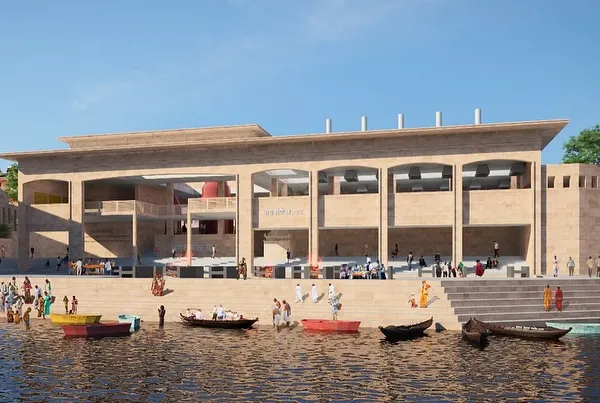 11
11
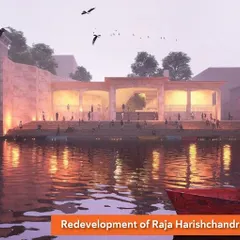
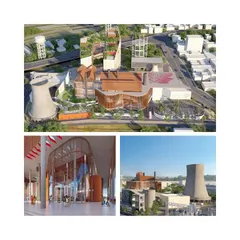
Redefining Civic & Cultural Spaces in India
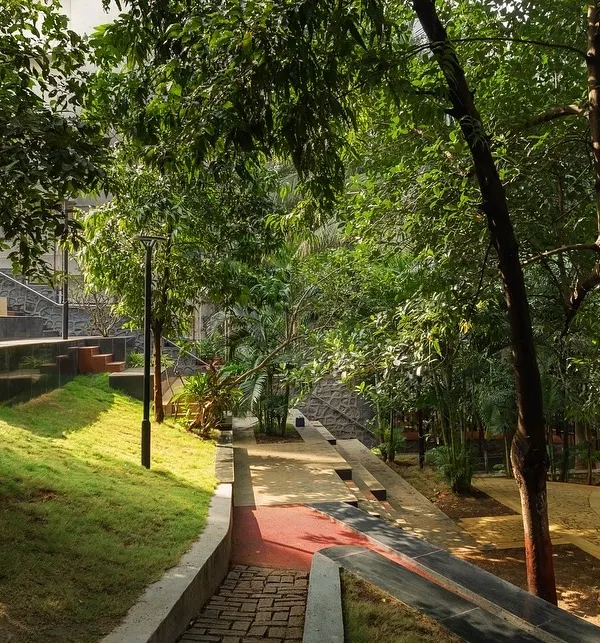 10
10
Community & Urban Space Design: Transforming Shared Environments
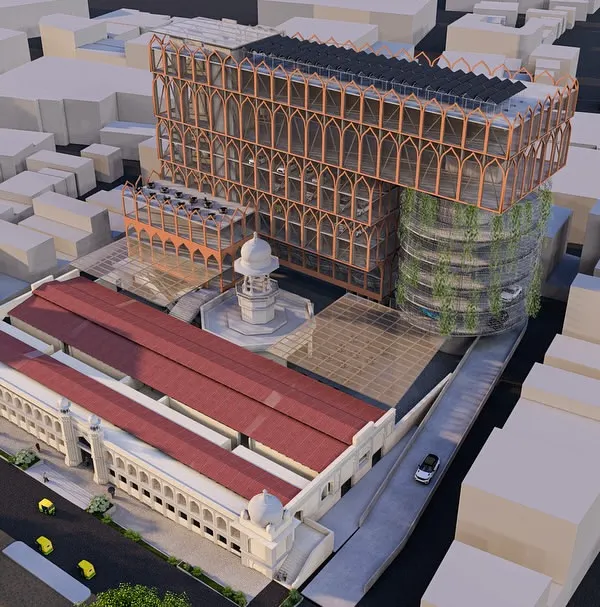 7
7
Architecture for a Better City
 8
8
Public & Community Architecture
 12
12
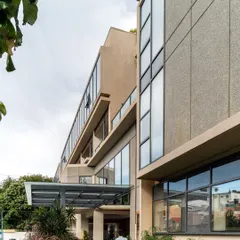
Community and Public Architecture: Designing with Purpose
Looking for a different architectural perspective?
Explore our other projects, from cultural heritage conservation to private urban residences.
More from Public Architecture & Urban Design by Soumitro Ghosh
More services by Soumitro Ghosh