Science-Based Psoriasis Management
Psoriasis is a chronic autoimmune condition that needs more than just hydration. We provide medical-grade diagnosis and customized, long-term treatment plans to control flare-ups and restore skin health.
Psoriasis can affect many areas beyond the elbows and knees, including the scalp, nails, and even joints, which can lead to psoriatic arthritis. A thorough diagnosis is key to managing all aspects of the condition.
We have moved far beyond basic creams for psoriasis. Modern dermatology offers a range of options including phototherapy, systemic agents, and highly targeted biologic therapies that I use to create effective, personalized treatment plans.
Understanding what triggers a psoriasis flare-up is half the battle. I help my patients identify their personal triggers, which can range from psychological stress and infections to certain medications and weather changes.
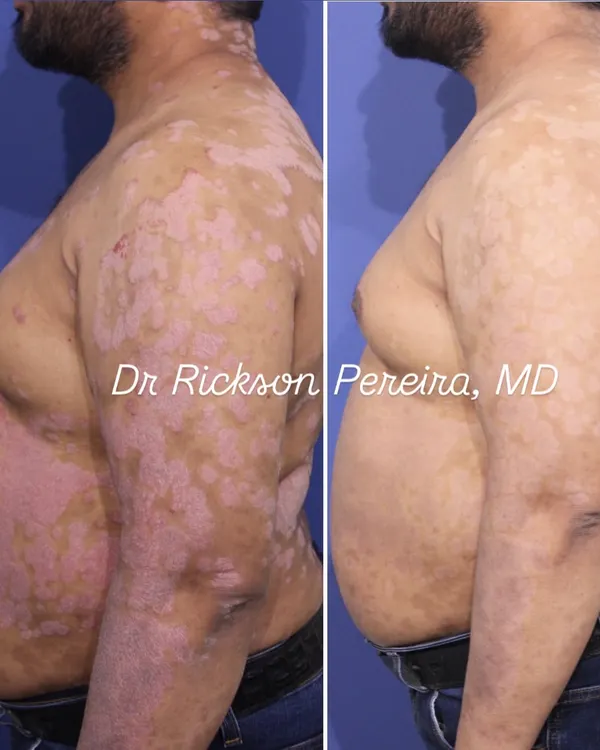
Psoriasis typically appears as red, raised patches with silvery scales, but it can also feel itchy or tender and cause joint stiffness. Recognizing these signs early is important for seeking timely medical care.
This image explains the fundamental nature of psoriasis. It is an autoimmune disease that dramatically speeds up the life cycle of skin cells, causing them to build up into the plaques you see on the skin.
Flare-ups can be triggered by many factors, including stress, alcohol, and even cold weather. Part of my management plan is helping you identify and manage these triggers to reduce the frequency and severity of outbreaks.
It is a crucial myth to bust: psoriasis is not contagious. It is an autoimmune condition, and you cannot catch it from someone. I believe in educating the community to reduce the stigma associated with it.
Psoriasis is fundamentally different from dry skin. It is an internal autoimmune process where skin cell turnover is up to 10 times faster than normal, requiring a medical approach to treatment.
The emotional burden of psoriasis can be heavy. My goal is to provide not just effective medical treatments but also support and hope for my patients dealing with this stubborn condition.
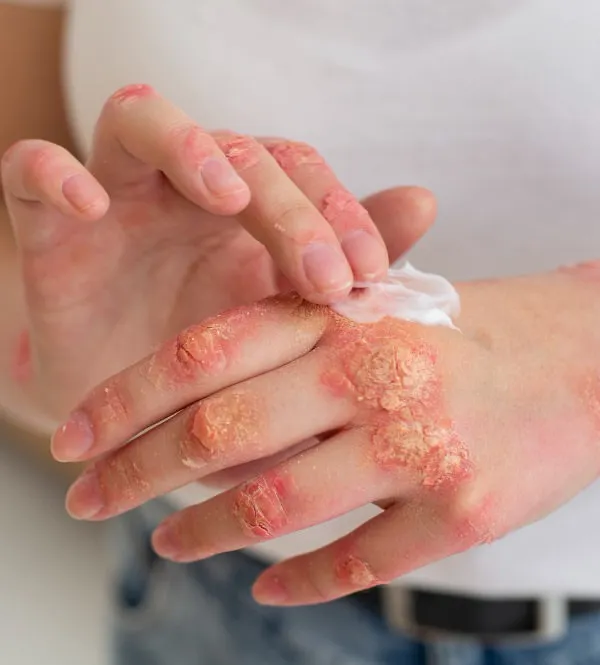
This is a classic presentation of psoriasis: red, raised patches with silvery-white scales. In severe cases, these patches can crack and become painful, highlighting the need for professional dermatological care.
About Psoriasis: Managing a Chronic Condition
Psoriasis is often mistaken for simple dry skin, but treating it with the wrong over-the-counter creams can cause significant flare-ups. Effective management starts with an accurate diagnosis and a customized strategy that addresses your specific immune triggers rather than just masking the symptoms on the surface.
Understanding Psoriasis
Psoriasis is not just a skin issue; it is a chronic autoimmune condition. In healthy skin, cells take about 28 days to renew, but in psoriasis, the immune system triggers this process to happen in just a few days. This rapid turnover leads to the buildup of thick, red, scaly plaques.
Why Medical Diagnosis Matters
Many patients arrive at our clinic having tried various over-the-counter steroid creams based on internet advice. Google se mat karo—using the wrong topical treatment can actually thin your skin or lead to a rebound effect where the condition returns worse than before. Our first step is always a thorough assessment. We need to distinguish psoriasis from other conditions like eczema, fungal infections, or dandruff to ensure you are on the right track from day one.
Our Management Approach
We believe in a holistic strategy that goes beyond the skin's surface:
- Trigger Identification: Flares are often linked to specific triggers such as high stress, seasonal weather changes, infections like strep throat, or even certain medications. We help you identify and manage your personal triggers.
- Beyond Creams: While topical treatments are a start, we offer advanced solutions for stubborn cases. This includes phototherapy (UVB), systemic agents, and targeted biologic therapies that directly address the immune system response.
- Systemic Health: We do not just look at the patches. Psoriasis is systemic, meaning it can be linked to other health concerns like psoriatic arthritis or metabolic issues. Our MD dermatologist review ensures these aspects are also considered.
- Long-Term Care: There is no overnight cure for a chronic condition, but it is entirely manageable. Our goal is to give you long periods of remission and ensure that when a flare-up does occur, you have a safe, tested plan to calm it quickly.
Similar work from other experts
Browse through Curated picks from other experts on mytribe
 15
15

Expert Care for Chronic Skin Conditions
 14
14
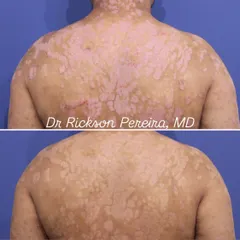
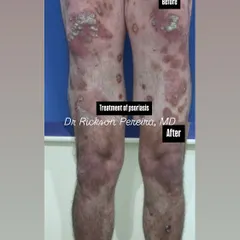
Evidence-Based Psoriasis and Eczema Treatment in Mumbai
 8
8


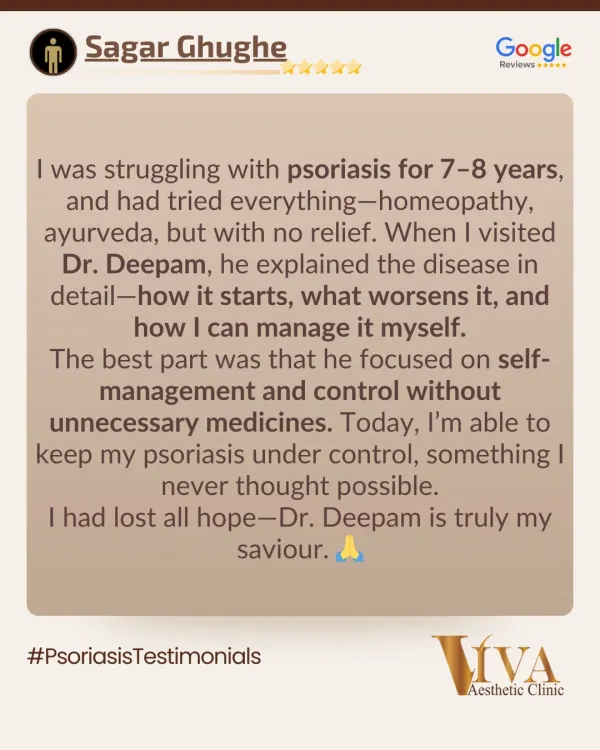
Real Patient Stories: Managing Psoriasis Effectively

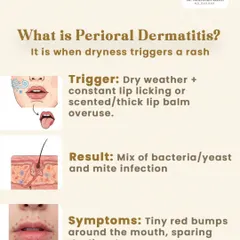

Expert Diagnosis for Eczema and Skin Rashes in Mumbai
 5
5


Ayurvedic Treatment for Skin Conditions
 6
6


Keratosis Pilaris Management and Skin Health
More from Medical & Pediatric Dermatology by SkinSpace Clinic